
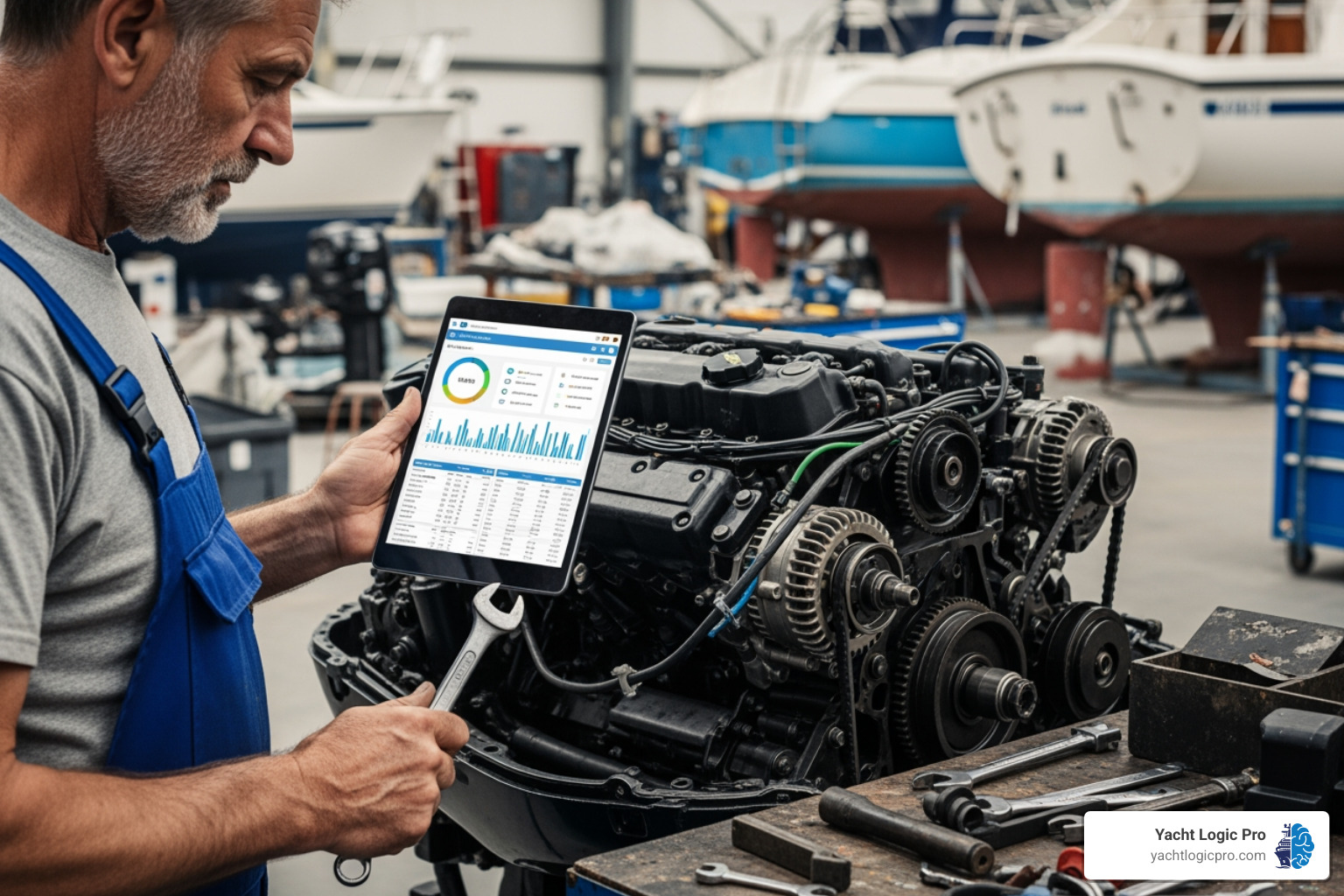
Why Modern Boat Maintenance is No Longer Optional
Boat maintenance software is a digital platform that helps boat owners, captains, and marine service businesses track maintenance tasks, manage inventory, store documents, and coordinate crew operations, replacing manual logbooks and spreadsheets with automated, cloud-based tools.
Quick Answer: What is Boat Maintenance Software?
- Digital logbooks that automatically track service history and maintenance records
- Inventory management systems for spare parts, consumables, and equipment tracking
- Task scheduling with automated reminders for engine maintenance, safety checks, and renewals
- Document storage for manuals, warranties, registrations, and certificates
- Multi-user access allowing crew, owners, and service providers to collaborate in real-time
- Cloud-based platforms accessible from desktop, mobile, or tablet, online and offline
If you are running a marine business or managing a vessel, you already know the pain: missed maintenance dates, lost paperwork, technicians waiting for parts that are “somewhere in storage,” and unbilled labor hours that vanish into spreadsheets.
The marine industry has long relied on paper checklists and manual tracking, but that approach costs money, time, and safety. Yacht owners who switch to digital management often report greater peace of mind, knowing that automated reminders prevent crucial tasks from slipping through the cracks.
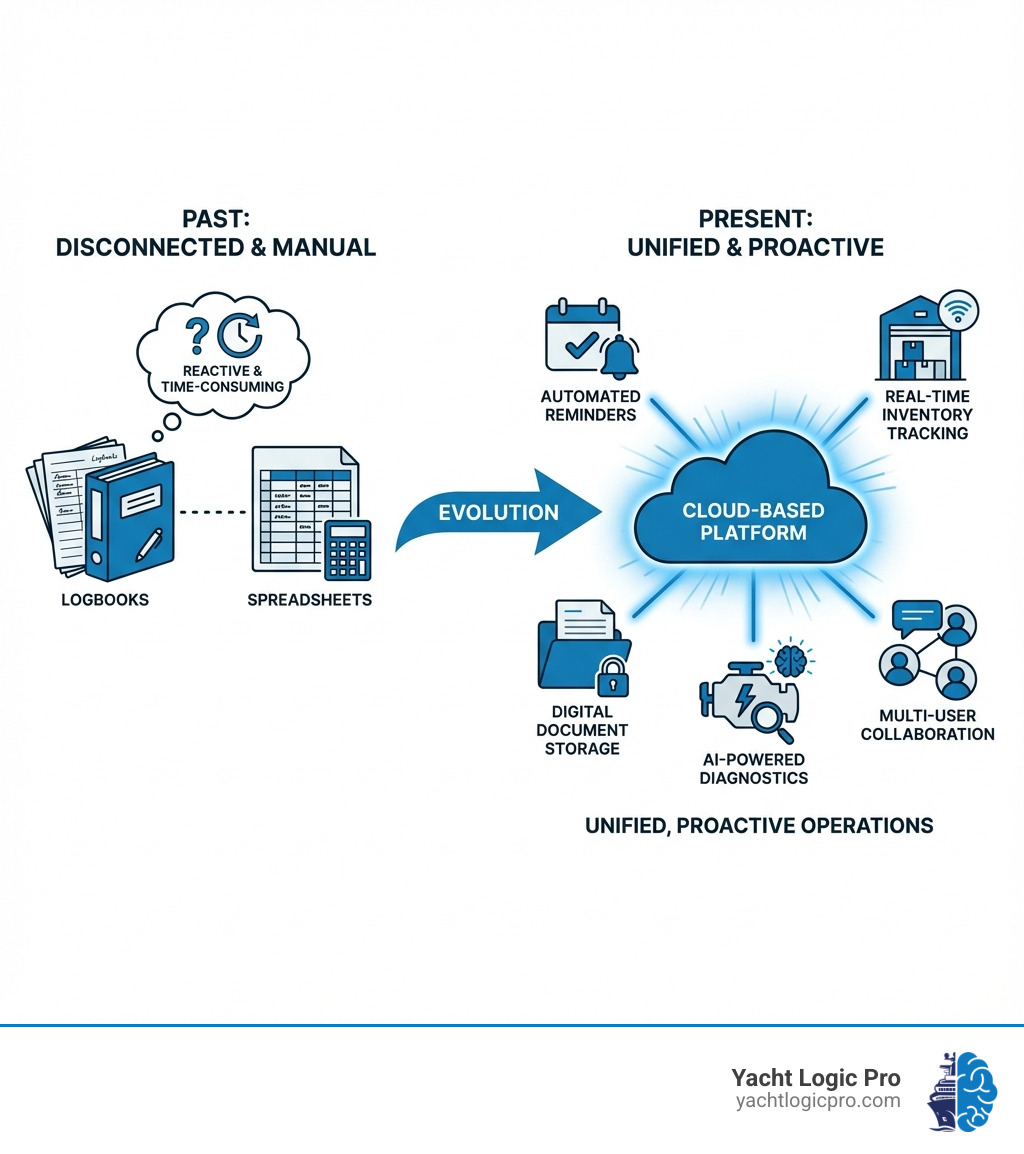
The shift is clear: from reactive repairs to proactive maintenance, from disconnected systems to unified platforms, and from manual data entry to automated tracking that can save you money.
Boat maintenance software is about spending less time worrying and more time on the water, or in the case of marine businesses, maximizing billable hours and reducing costly downtime. Modern platforms offer everything from AI-powered diagnostics to offline functionality to real-time inventory tracking, all designed to protect your assets and streamline operations.
Core Features of Modern Boat Maintenance Software
Modern boat maintenance software serves as the digital heartbeat of your marine operations, bringing together key elements into a cohesive, manageable system. At its core, it is designed to simplify vessel upkeep by keeping all your boat’s critical data, tasks, and schedules in one smart, accessible place.
The essential features streamline every aspect of maintenance, from scheduling a routine engine check to managing a complex refit. The best solutions cover logbooks, inventory, documents, checklists, and alerts from an organized dashboard, integrating maintenance tracking, inventory control, and safety management into a single, user-friendly application.
You can learn more about how a robust software solution can transform your operations by exploring More info about key features.
Digital Logbooks and Maintenance History
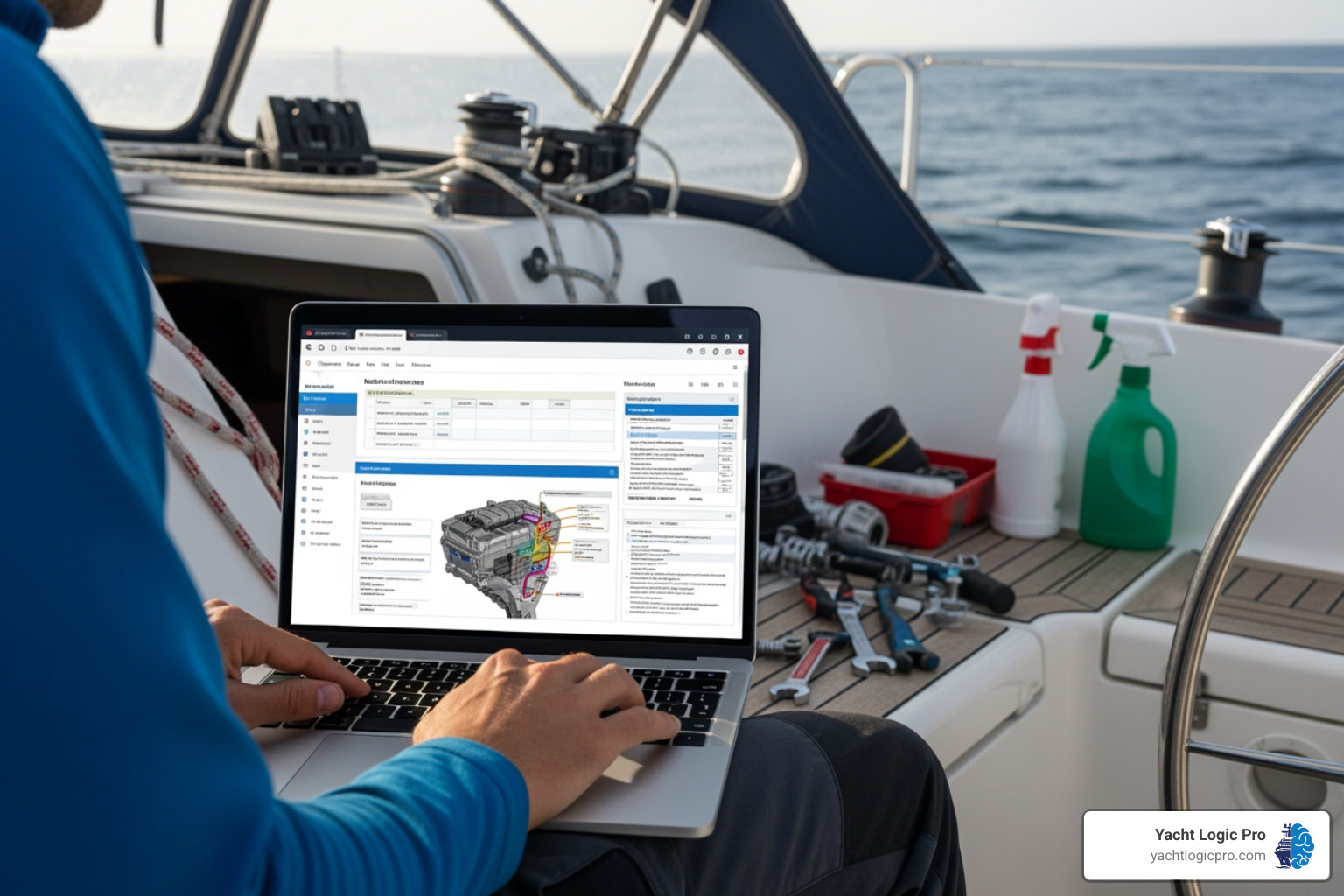
Digital logbooks are a cornerstone of modern boat maintenance software, offering a centralized record of every action taken on your vessel. This includes everything from routine engine hours and fuel consumption to major repairs and equipment installations.
First, you gain centralized records. All information, from simple checks to complex service reports, is stored in one accessible location, eliminating the hassle of searching through multiple binders or scattered files. Second, automated logging often means that certain data, like engine hours if integrated with telematics, can be recorded automatically, reducing manual entry errors.
Service history tracking becomes robust. Every maintenance task, part replaced, and repair made is logged and easily searchable. This history is invaluable for troubleshooting, understanding wear patterns, and planning future maintenance. It also aids in compliance reporting, ensuring you have the necessary documentation for maritime regulations or insurance purposes.
A well-documented maintenance history can also help improve resale value. Detailed records signal to prospective buyers that a vessel has been carefully cared for, which can increase confidence and support a higher market value. You can find how to leverage this for your business by checking out How to create better service records.
Inventory Management and Spare Parts Tracking
For any boat owner or marine business, knowing what spare parts you have, where they are, and when you need more is a constant challenge. The inventory management features of boat maintenance software turn a chaotic pile of spare parts into an organized, trackable system.
A digital parts catalog allows you to list every item on board or in your stores, complete with serial numbers, purchase dates, and photos. This provides visibility into your inventory so you no longer wonder if you have that specific filter or impeller.
Location tracking means you can pinpoint exactly where each spare part is stored, whether in a locker, a specific compartment, or a shore-side warehouse. Low-stock alerts notify you when critical items are running low, so you can reorder before it becomes an emergency. This makes pre-ordering spares easier, simplifies planning, and minimizes downtime caused by waiting for parts.
By having an accurate, real-time view of your inventory, you can optimize stock levels, reduce unnecessary purchases, and stay prepared for both routine maintenance and unexpected repairs.
Checklists and Task Management
Questions like “Did we remember to check the bilge pump?” or “Is the fire extinguisher still in date?” are addressed with robust checklists and task management features in boat maintenance software. These tools standardize procedures, ensure nothing is missed, and help delegate responsibilities effectively.
You can create various types of checklists:
- Pre-departure checklists: For safety and peace of mind before heading out.
- Safety procedures: Ensuring all safety equipment is checked and compliant.
- Recurring tasks: For routine maintenance like engine checks, cleaning schedules, or seasonal winterization.
These features allow clear task assignment, so everyone on the crew knows their responsibilities. Tasks can be assigned to individuals, tracked through to completion, and often require verifiable completion with digital sign-offs, creating an audit trail.
By implementing digital checklists and task management systems, you can ensure consistent upkeep, improve safety, and run more efficient boat operations.
The Tangible Benefits: Saving Time, Money, and Enhancing Safety
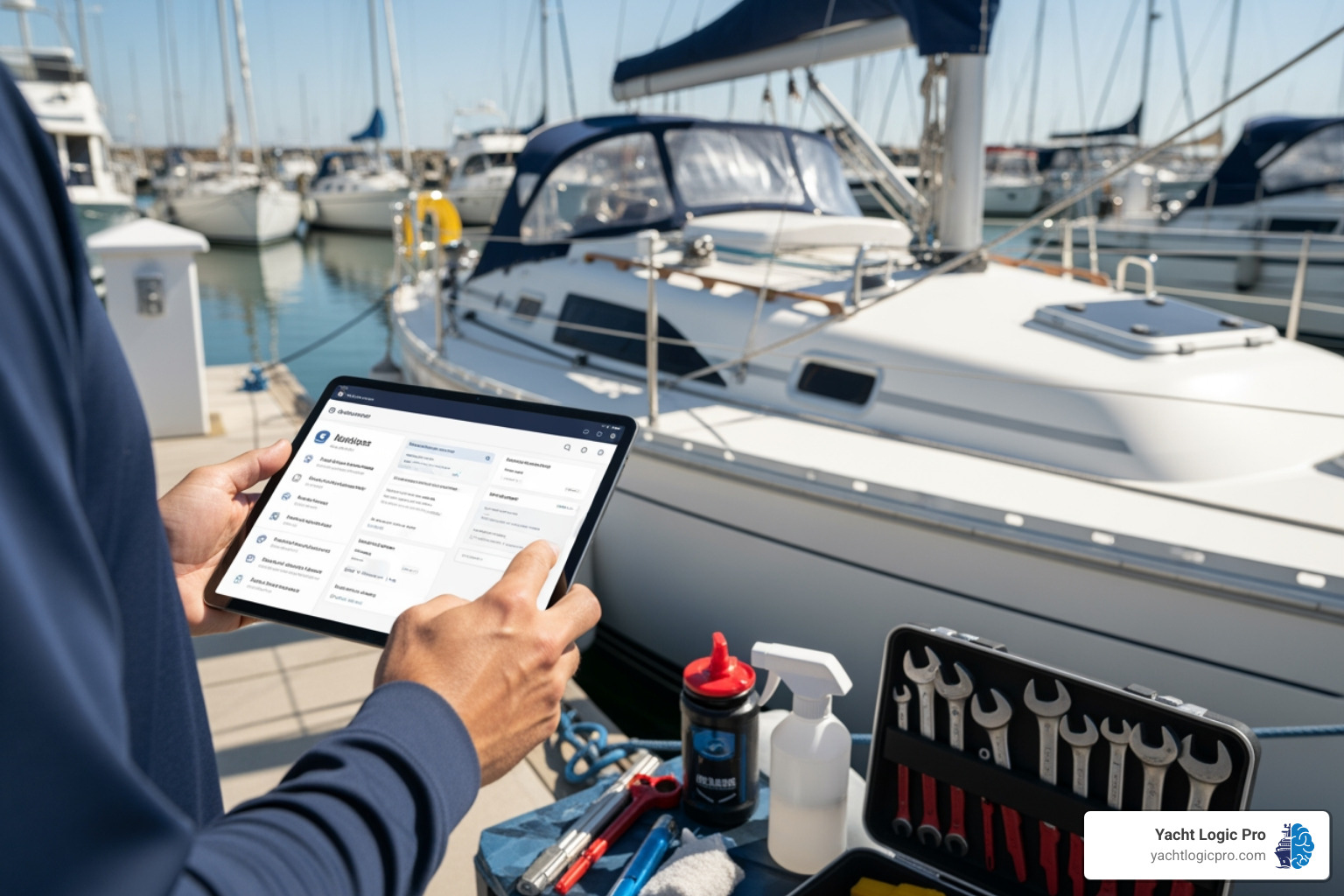
Adopting boat maintenance software is about achieving a clear return on investment. The transition from manual, reactive processes to a digital, proactive system yields significant advantages across the board.
One major impact is reduced operational costs. By streamlining workflows, optimizing inventory, and preventing costly emergency repairs, software helps cut down on unnecessary expenses. Effective work order tracking can maximize technician efficiency and increase billings, leading to a reduced workload and lower maintenance costs.
This supports minimized unplanned maintenance. Instead of waiting for something to break, the software helps you anticipate and address issues before they escalate. This proactive stance means fewer surprises and more predictable budgeting.
These efficiencies contribute to improved vessel reliability and maximized asset protection. A well-maintained boat is a reliable boat, and a reliable boat retains its value. Proper organization and maintenance can support a higher overall and reselling value. You can explore these challenges in depth at The hidden costs of manual yacht maintenance tracking.
Improving Vessel Reliability and Safety
At sea, reliability and safety are paramount. Boat maintenance software moves you from a reactive “fix-it-when-it-breaks” mentality to a proactive maintenance approach, where potential issues are anticipated and addressed early.
Software solutions provide automated safety reminders for critical inspections, expiry dates for safety equipment, and certification renewals. Automated reminders for engine maintenance, safety equipment, and staff licensing renewals help ensure nothing slips through the cracks.
These platforms also support compliance with maritime regulations. For commercial vessels or those operating under specific flags, adhering to standards like MCA and Mecal is essential. Many platforms are designed to support MCA and Mecal compliant reporting, and may integrate a built-in safety management system to streamline compliance processes.
By enabling smart maintenance schedules, the software can help extend component life and reduce emergency repairs, which improves a vessel’s operational lifespan and overall reliability.
Streamlining Crew and Owner Collaboration
Effective communication and coordination are essential when multiple individuals are involved in a vessel’s upkeep. Boat maintenance software acts as a central hub, streamlining crew and owner collaboration.
A captain can assign a task to an engineer, or an owner can request an update on a repair, all through centralized communication tied directly to the relevant task or equipment. Many systems integrate messaging features and direct links to any item in the system so information stays connected to the work being done.
This is supported by multi-user access with roles. Owners, captains, engineers, and external service providers can be granted access levels aligned with their responsibilities. This ensures crew members have access to relevant data and tasks assigned to them, without exposing sensitive account information.
Task delegation becomes clear and accountable, and as tasks are completed, real-time updates keep everyone informed. This is particularly valuable during seamless handovers between crew or when a new owner takes over, preserving a comprehensive maintenance history. You can read more about this approach at Connecting your entire marine team.
The Next Wave: Advanced Technology in Boat Maintenance
The marine industry is undergoing a digital change, and boat maintenance software is at the forefront of this evolution. We are moving beyond record-keeping to technologies that change how we care for our vessels. The “next wave” is characterized by AI-powered diagnostics, predictive maintenance, robust cloud-based platforms, offline functionality, and advanced telematics integration.
These capabilities are becoming standard features, enabling insight and efficiency that keep boats on the water longer and safer. Understanding these technologies is key to staying ahead. Explore more about this digital future at The future of marine service is digital.
How AI and Predictive Analytics are Revolutionizing Upkeep
Artificial Intelligence (AI) and predictive analytics are actively revolutionizing upkeep in the marine industry. By moving beyond fixed schedules, these technologies enable a proactive approach that saves time, reduces costs, and helps prevent critical failures.
The concept of an AI-powered mechanic is particularly notable. These features leverage artificial intelligence to help diagnose engine issues and equipment problems. A system can analyze sensor data, historical maintenance records, and other inputs to identify potential faults before they become costly breakdowns. This makes it possible to predict failures before they happen and schedule repairs at convenient times.
AI-powered systems can analyze large volumes of data to identify patterns and anomalies, providing insights into the health of your vessel’s components. This helps optimize maintenance schedules and track recurring failures to spot patterns that could lead to future issues. Instead of only following rigid, time-based schedules, maintenance can be based on actual component condition, reducing unnecessary work and extending part life.
This data-driven approach is shaping the future of marine service, improving operational efficiency and safety. You can dig deeper into this at Why data-driven service is the future.
The Power of Cloud Access and Offline Functionality
Modern boaters and marine professionals need flexibility and accessibility. The combination of cloud-based access and offline functionality in boat maintenance software means your critical vessel data is always within reach.
Cloud-based platforms ensure that marine data is catalogued, organized, backed up, and accessible from anywhere on any device. You can manage your boat’s maintenance from a desktop at home, a tablet in the marina, or a phone while traveling. Data is synchronized across devices, so everyone with access sees the most up-to-date information.
Because marine environments often have unreliable internet connections, offline functionality is equally important. Offline access for manuals, documents, component details, and tasks means you can still work effectively far offshore or in areas with no signal. With modern mobile apps, data can be cached locally on your device and any changes sync to the server when your device is back online.
This blend of cloud accessibility and offline capability ensures that your data is available when you need it, enabling seamless operations and decision-making, even beyond the horizon.
How to Choose the Right Boat Maintenance Software
Selecting the right boat maintenance software is a pivotal decision that can significantly impact your vessel’s efficiency, longevity, and overall enjoyment. With many solutions available, it is important to understand what to look for. It is not a one-size-fits-all situation; what works for a private owner might not suit a large charter fleet or a busy shipyard.
Consider factors like scalability (can the software grow from a single vessel to an entire fleet?), user experience (will your crew adopt it easily?), the level of customer support, and how well it handles integration capabilities with other systems you use. To help guide this decision, review A buyer’s checklist for yacht service software.
Key Considerations for Your Vessel or Fleet
The ideal boat maintenance software solution depends on your specific needs, whether you are a private owner, managing a charter fleet, or running a marine service business.
| Feature/Need | Private Owners | Charter Fleets | Service Businesses |
|---|---|---|---|
| Scalability | 1-3 boats, personal use | Multiple vessels (for example, 5-100+), multi-user access | Managing client vessels, diverse needs, technicians |
| User Access | Owner, family, occasional mechanic | Captains, crew, management, external contractors | Technicians, office staff, clients |
| Collaboration | Simple sharing with a few individuals | Task delegation, real-time updates, handovers | Work order management, client portals |
| Compliance | Focus on personal safety | Regulatory bodies (MCA, Mecal, etc.) | Varies by client, often need robust reporting |
| Reporting | Basic maintenance logs, personal history | Operational, financial, and compliance reports | Service reports, invoicing data, performance metrics |
| Inventory Mgmt. | Basic spare parts, consumables | Cross-vessel tracking, reorder points | Client-specific parts, supplier integration |
| AI/Analytics | Reminders and basic diagnostics | Predictive maintenance, operational optimization | Efficiency analysis, technician scheduling |
Customization options are important. You should be able to tailor checklists, create custom fields for unique equipment, and configure dashboards to show the most relevant information for your operations.
Strong reporting and analytics features turn raw information into actionable insights. Look for software that generates detailed reports on maintenance, procedures, and trips, supporting data-driven decisions.
Finally, consider the onboarding process and learning curve. Is the software intuitive for your team to pick up quickly? Some platforms can be up and running in just a few hours, with services available to help input existing data. A smooth transition minimizes disruption and supports long-term adoption.
Understanding Pricing Models and Subscriptions
When evaluating boat maintenance software, understanding the pricing models and subscription options helps you budget effectively and pay for features you actually need.
Most providers offer a free trial, which is a chance to explore the platform’s features before committing. Some also offer a free personal edition for boat owners.
Beyond the trial, you will often see subscription tiers structured for different user types:
- Owner plans: For single-vessel owners, often with limited users.
- Captain plans: For those managing a few vessels, with more users and storage.
- Fleet plans: For organizations managing multiple vessels, offering expanded capacity and features, with enterprise accounts for larger fleets.
Some models use per-boat pricing, which can suit fleets where the number of vessels fluctuates. Others offer tiered pricing based on features and storage, billed yearly per license.
Watch for hidden costs. Check whether the quoted price includes the features you need or if certain functions are locked behind higher tiers. Also confirm whether file storage or user numbers are capped. A transparent pricing structure with no unexpected add-ons provides peace of mind.
Security and Data Privacy Measures
The security and data privacy measures implemented by boat maintenance software providers are critical. Your vessel’s data, from operational logs to personal information, must be protected.
Key security features to look for include:
- Data encryption: All your data, both at rest and in transit, should be encrypted.
- Cloud security standards: Reputable providers host data in secure, certified data centers, often backed by enterprise-grade security and compliant with standards such as ISO 27001 and SOC 2 Type II. For more on these certifications, see Learn about enterprise-grade security certifications.
- User access controls: The software should allow granular control over who can view, edit, or delete specific types of information, with strict user access levels and customized roles.
- Data backup and redundancy: Look for automatic and regular backups, ideally replicated across multiple geographic regions for resilience.
By choosing a provider that prioritizes these measures, you help ensure your valuable marine data is secure, private, and available when you need it.
Conclusion
Modern boat maintenance software reshapes how vessel owners, captains, and marine businesses manage upkeep. It delivers far more than a digital version of paper logs.
Core features like digital logbooks, inventory management, and task-driven checklists streamline operations, reduce human error, and create a verifiable history of every action taken on your vessel.
The benefits are clear: time and cost savings, improved vessel reliability, and better safety for everyone on board. By shifting to a proactive maintenance approach, you minimize unplanned downtime and extend the life of critical components. Collaborative tools support seamless communication and task delegation among crew and owners, so everyone stays aligned.
Looking to the next wave, advanced technologies such as AI-powered diagnostics and predictive analytics are changing how you anticipate and address maintenance needs. Combined with cloud access and offline functionality, your vital data remains accessible wherever you operate.
Choosing the right software means weighing your specific needs, pricing models, and security measures. A well-chosen solution pays dividends in peace of mind, operational efficiency, and long-term asset value.
At Yacht Logic Pro, our all-in-one, AI-powered marine maintenance and operations software is built to automate maintenance, manage technicians, track inventory, and sync finances for service-driven marine businesses. By unifying operations and eliminating manual data entry, we help you save time and boost profits.
It is time to leave paper trails behind and move toward a more efficient, reliable, and safer boating experience. We invite you to see how our solution can lift your marine operations and help you spend more time enjoying the open water. Explore the features that will transform your marine operations.