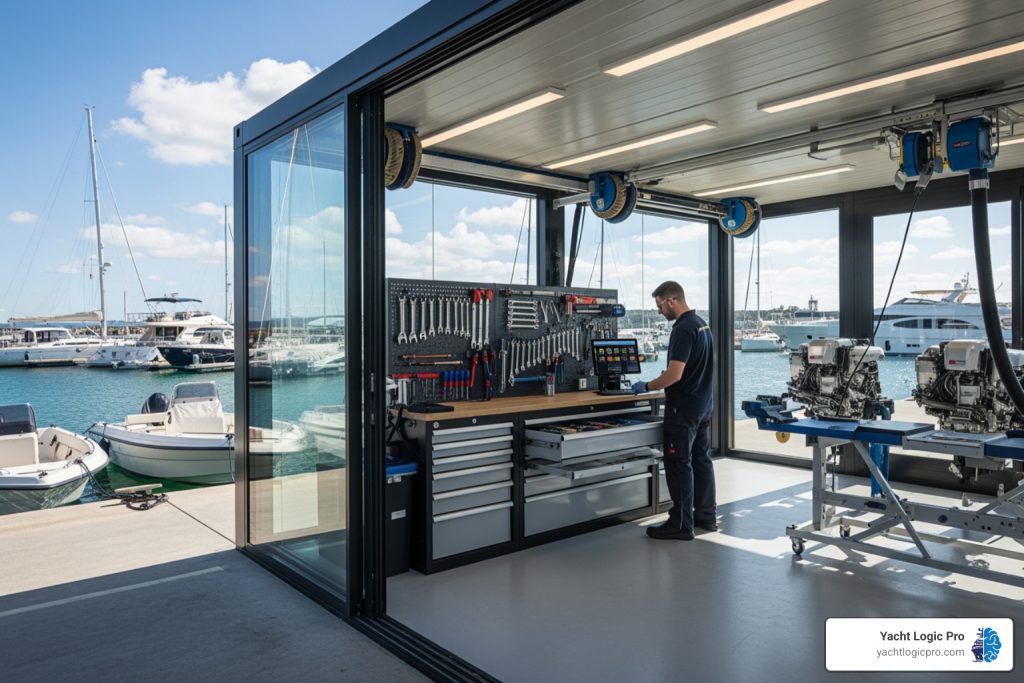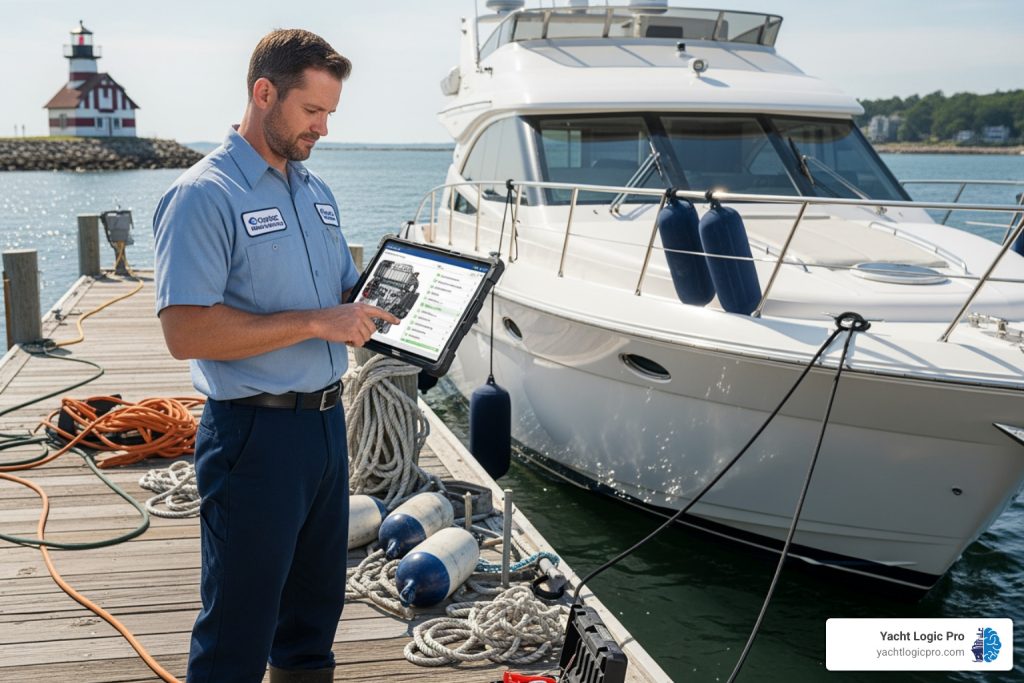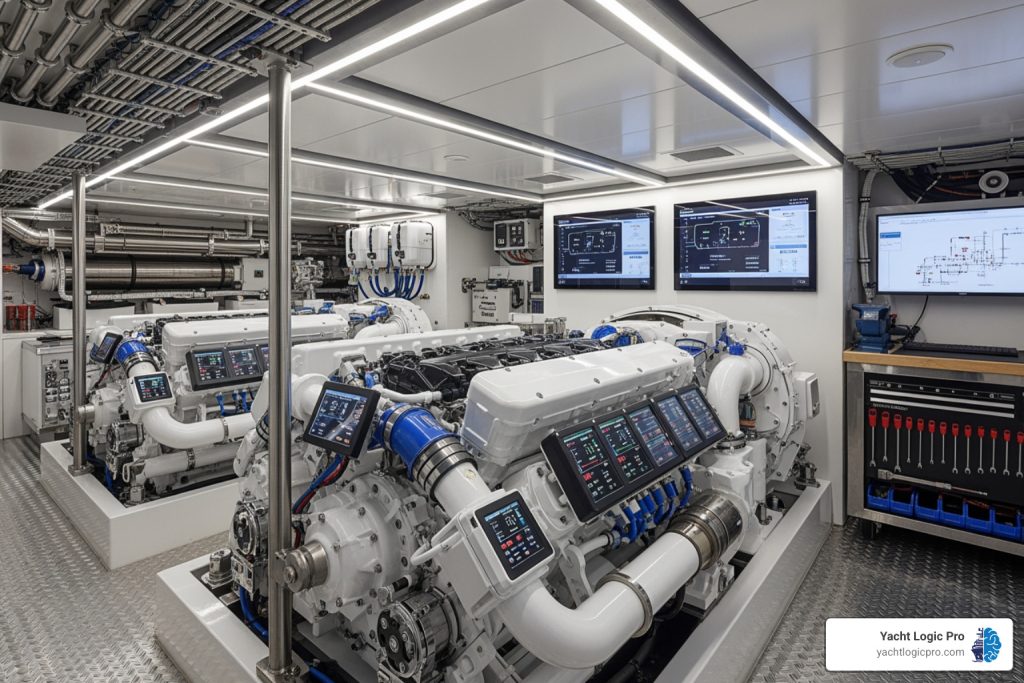

Why Equipment Failures Cost More Than You Think
When factory or marine equipment fails unexpectedly, production grinds to a halt. Time and money are lost, as is customer patience. Traditional maintenance—whether reactive repairs or scheduled service—often misses the mark. It’s either too late (after failure) or too early (unnecessary servicing).
AI driven maintenance is a data-driven approach that uses artificial intelligence and real-time sensor data to predict equipment failures before they happen. This allows businesses to schedule repairs proactively instead of reacting to breakdowns, shifting from reactive chaos to intelligent, proactive care.
Here’s what AI-driven maintenance delivers:
- Predicts failures before they happen using real-time sensor data and machine learning.
- Reduces downtime by up to 50% through early intervention.
- Extends equipment life by 20-40% with optimized maintenance timing.
- Cuts maintenance costs by 25-40% compared to traditional approaches.
- Improves safety by identifying hazardous conditions before they cause injury.
Think of it this way: instead of changing your oil every 3,000 miles, AI monitors oil quality in real time and tells you exactly when it needs changing based on actual wear.
In the marine industry, this shift is especially critical. When a yacht’s engine fails mid-voyage, the costs multiply fast—lost charter revenue, emergency repairs, and frustrated owners. By using real-time data from IoT sensors and predictive analytics, AI systems can forecast equipment failures before they happen, allowing teams to intervene at precisely the right moment. This shift is changing industries from manufacturing to energy—and increasingly, the marine sector.
I’m Kevin Kates, founder of Yacht Logic Pro, and I’ve spent years helping yacht owners and marine service teams streamline operations. Implementing AI driven maintenance strategies has been a cornerstone of the operational improvements we deliver, combining real-time data with predictive tools to prevent costly failures before they occur.
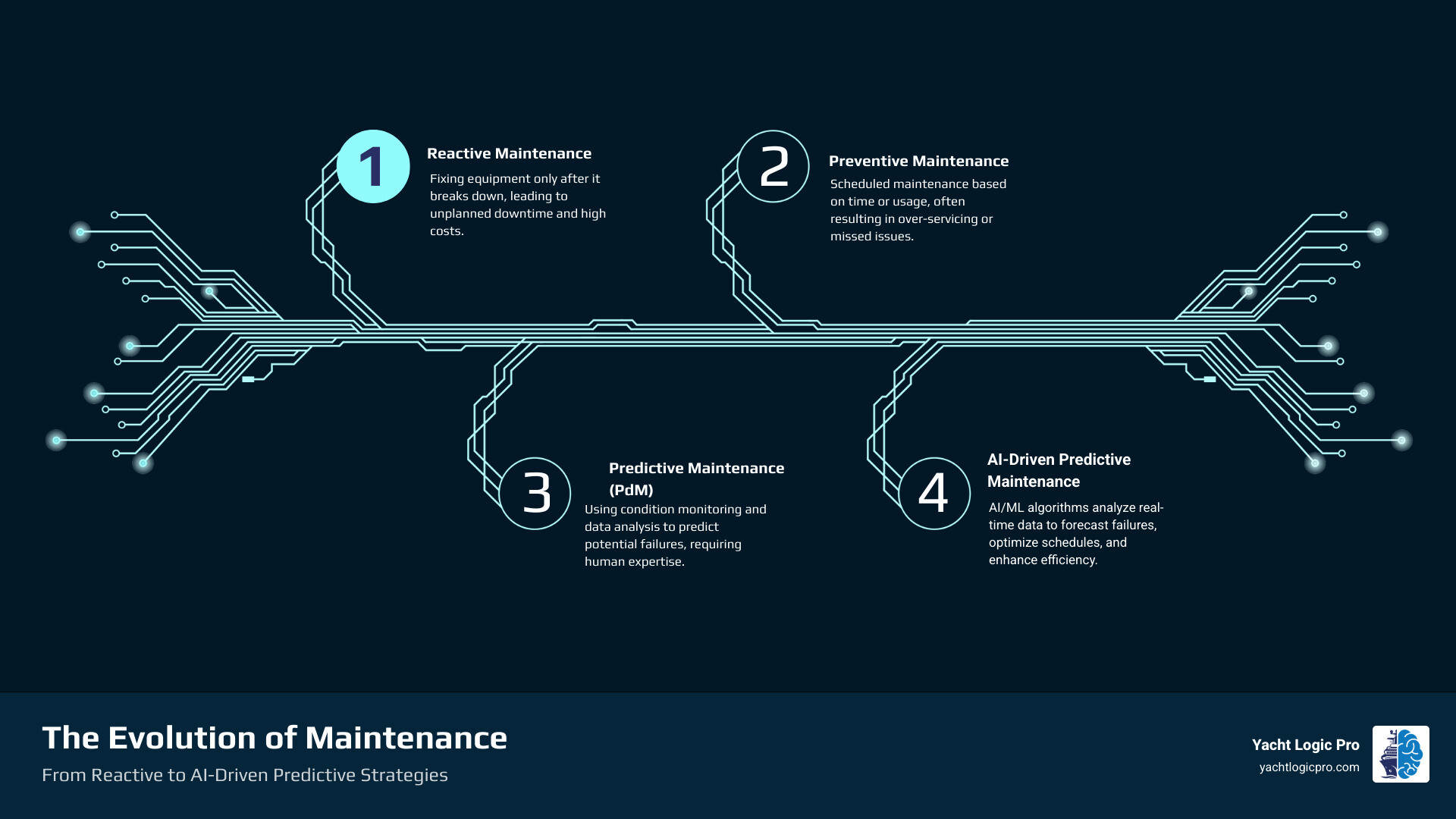
The Evolution of Maintenance: From Reactive to Predictive
For decades, industries have grappled with finding the sweet spot between costly over-maintenance and devastating breakdowns. Let’s look at how maintenance strategies have evolved.

-
Corrective Maintenance (Reactive Maintenance): This is the “fix it when it breaks” approach. It leads to unplanned downtime, which is disruptive and expensive. Factories, for instance, can lose between 5% and 20% of their manufacturing capacity due to equipment failure, and the largest companies once lost 11% of their annual revenue to unanticipated downtime.
-
Preventive Maintenance: A step up, this involves scheduled maintenance based on time or usage (e.g., oil changes every 3,000 miles). While it aims to prevent failures, it’s often inefficient, leading to “over-maintenance”—servicing equipment that doesn’t need it. This approach relies on broad manufacturer recommendations and doesn’t account for specific operating conditions or predict novel failures.
-
Predictive Maintenance (PdM): This is where things get interesting. PdM uses condition monitoring techniques (like vibration analysis) to assess equipment health and predict when maintenance is actually needed. It’s data-driven but has traditionally relied on human experts for analysis.
The inefficiencies of these methods are clear. They lack the precision to adapt to changing conditions, leading to ineffective resource allocation and continued operational headaches.
| Maintenance Type | Cost (Maintenance & Downtime) | Downtime Reduction | Asset Life Extension | Prediction Capability |
|---|---|---|---|---|
| Reactive Maintenance | Very High | None (unplanned) | Low | None |
| Preventive Maintenance | Moderate to High | Limited | Moderate | Scheduled, not condition-based |
| AI-Driven Predictive Maintenance | Low | Up to 50% | 20-40% | Highly accurate, real-time |
What is AI-Driven Predictive Maintenance?
AI-driven predictive maintenance is the pinnacle of proactive asset care. It leverages artificial intelligence and machine learning to continuously monitor equipment, identify early signs of degradation, and forecast potential failures. This allows us to schedule repairs at the optimal moment, maximizing uptime and minimizing costs. As Deloitte explains, using AI in predictive maintenance to forecast the future means we’re no longer just reacting or adhering to rigid schedules; we’re anticipating and acting with intelligence.
How AI-Driven Maintenance Works: Core Technologies and Process
AI-driven maintenance is a sophisticated system built on interconnected technologies that turn data into actionable intelligence.
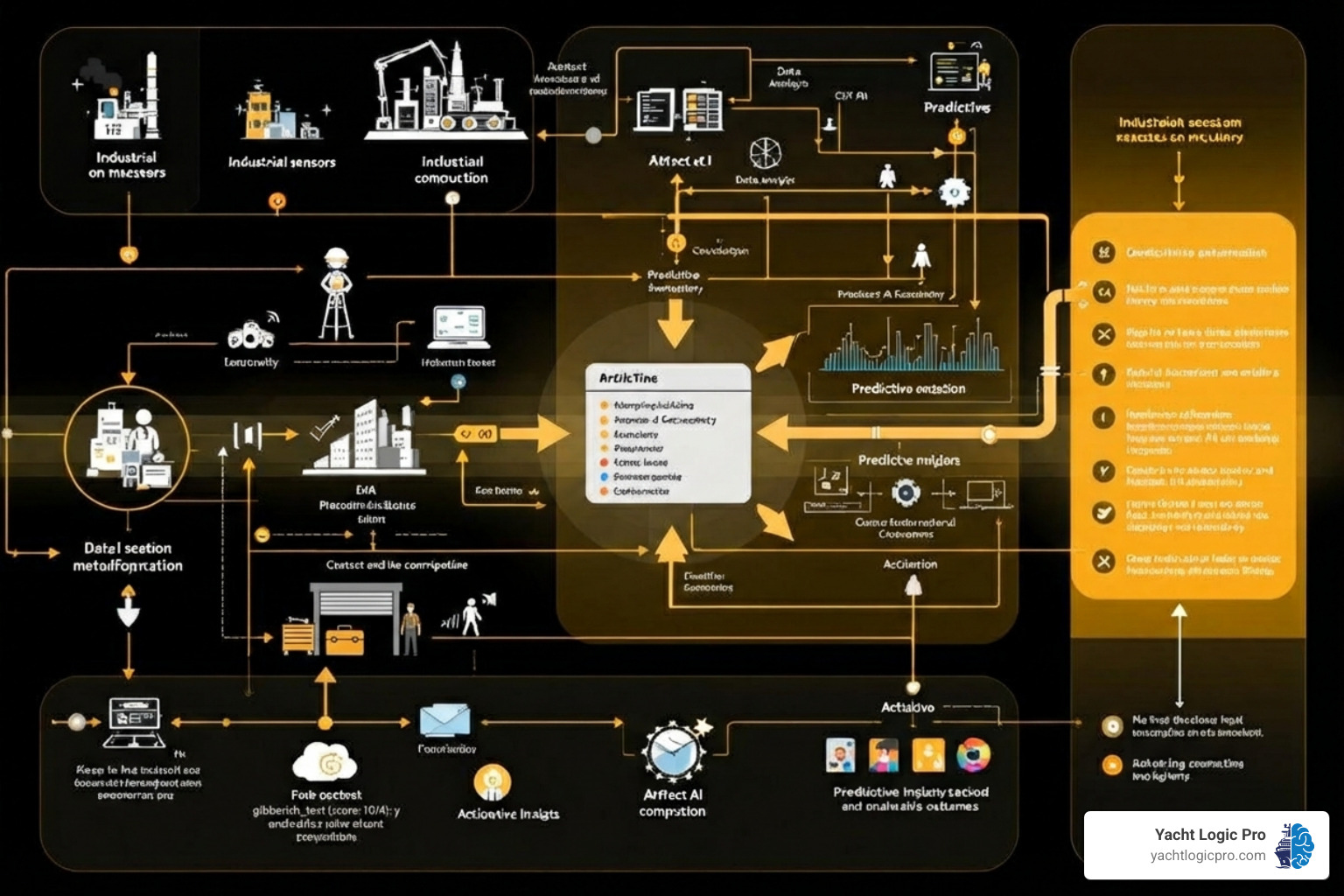
Key Enabling Technologies
The backbone of AI driven maintenance lies in a suite of advanced technologies:
- Internet of Things (IoT) Sensors: These are small, intelligent devices embedded into machinery to continuously collect real-time data like vibration, temperature, and pressure. This constant stream of data enables continuous monitoring instead of periodic checks.
- Big Data Analytics: Modern equipment generates vast quantities of data. Big Data platforms are designed to process, store, and manage these immense datasets, making them accessible for analysis.
- Machine Learning (ML) Algorithms: These are the brains of the operation. ML algorithms learn from historical and real-time data to identify patterns, correlations, and anomalies that indicate potential failures. Techniques like neural networks and decision trees are used to build predictive models.
- Digital Twins: A digital twin is a virtual replica of a physical asset, fed with real-time sensor data. It allows us to simulate, analyze, and predict equipment behavior without touching the physical machine, helping to reduce maintenance costs and extend asset life.
- Cloud Computing: The computational power and storage needed for Big Data and ML models often reside in the cloud, providing scalable, on-demand resources without requiring massive on-site infrastructure.
The Step-by-Step Process of AI-Driven Maintenance
The journey from raw data to actionable insight typically follows four key steps:
- Data Collection: IoT sensors stream real-time operational data from critical equipment. This is combined with historical data, including past maintenance records, repair logs, and equipment specifications.
- Data Processing and Cleaning: Raw data is often messy. It must be cleaned by handling missing values, removing errors, and normalizing it to a consistent format. This step also involves feature extraction, where relevant characteristics are pulled from the raw data.
- Predictive Analysis (Model Training): The clean data is fed into machine learning algorithms, which learn the correlations between sensor readings and impending failures. For example, a model might learn that a specific vibration pattern often precedes a bearing failure.
- Actionable Insights: The trained AI models continuously analyze incoming real-time data. When a high probability of failure is detected, the system generates an alert with a diagnosis and recommended action. These insights can automatically trigger work orders in a maintenance management system, ensuring that insights lead directly to proactive actions, connecting From Dock to Dashboard: How Yacht Logic Pro Connects Your Entire Marine Team for smarter operations.
The Transformative Benefits of AI in Maintenance
Implementing AI driven maintenance fundamentally changes business operations, leading to quantifiable improvements and a tangible boost to the bottom line.
Key Benefits of AI-Driven Maintenance
The shift to AI driven maintenance delivers a powerful array of advantages:
- Downtime Reduction: By predicting failures, maintenance can be scheduled during planned downtimes. Reports indicate that AI-driven predictive maintenance can reduce downtime by up to 50%.
- Cost Optimization: Fewer emergency repairs and no over-maintenance lead to significant savings. AI can generate savings of up to $630 billion annually across industries, with some methods like digital twins achieving a 25-40% reduction in maintenance costs.
- Asset Lifecycle Extension: Addressing wear at the optimal time prevents cascading damage. AI-driven predictive maintenance can extend equipment life by 20 to 40%, maximizing the return on high-value assets.
- Improved Labor Productivity: With AI handling data analysis, skilled technicians can focus on complex repairs rather than routine inspections. This can boost labor productivity by 5% to 20%.
- Proactive Supply Chain Management: Knowing when a part will fail allows for just-in-time inventory management, reducing holding costs and ensuring parts are available when needed.
Enhancing Safety and Sustainability
Beyond financial benefits, AI driven maintenance fosters safer and more sustainable practices.
- Reduced Worker Injuries: Faulty machinery is a major cause of workplace accidents, with thousands of injuries and hundreds of deaths annually in the US. By preventing hazardous failures, AI contributes to a safer environment for crew and technicians.
- Energy Optimization: Well-maintained machinery consumes less energy. AI can detect small dips in efficiency, flagging equipment that is using excess power. This leads to cost savings and a reduced carbon footprint.
- Minimizing Resource Waste: By extending equipment life and performing maintenance only when necessary, we reduce waste from premature replacements and minimize scrap caused by faulty equipment. This is a core reason why Why Data-Driven Yacht Service is the Future of the Marine Industry is so important.
Real-World Applications and Implementation Guide
The power of AI driven maintenance is being proven across diverse industries, delivering tangible results.
AI Maintenance Across Industries
- Manufacturing: This sector is a prime adopter. For example, a global automaker uses AI to inspect and maintain welding robots, using computer vision to spot defects and recommend maintenance. Other manufacturers have used AI to monitor thousands of machines, reporting ROI within months and avoiding significant unexpected downtime.
- Energy & Utilities: In power generation, AI monitors turbines and grid infrastructure to predict failures, optimize performance, and prevent widespread outages.
- Aviation: GE Aviation uses AI to predict the need for maintenance on its 44,000 jet engines, combining sensor data with physical models to ensure safety and efficiency.
- Marine: For us in the marine world, AI driven maintenance is a game-changer. We can monitor engine performance, track auxiliary systems, and predict issues with propellers or thrusters. This is vital for ensuring reliability at sea, which is why Tech That Works at Sea: Why Marine-Specific Software Beats Generic Tools Every Time is so crucial—generic solutions don’t understand the marine environment.
How to Implement an AI Maintenance Solution
Starting your AI driven maintenance journey is achievable with a structured approach:
- Define Business Goals: Clearly articulate what you want to achieve (e.g., reduce downtime, cut costs, improve safety).
- Assess Data Readiness: Evaluate the quality and accessibility of your operational and maintenance data. Identify and address any data gaps.
- Start with a Pilot Project: Choose a critical but manageable asset for a pilot project to prove value and refine your approach before scaling.
- Choose the Right Technology: Select an AI platform that aligns with your goals and integrates with your existing systems (like CMMS or ERP).
- Scale and Integrate: After a successful pilot, gradually expand the solution to more assets and integrate it deeper into your operations.
For specialized sectors like the marine industry, platforms like Yacht Logic Pro offer custom solutions that integrate these steps. When considering a solution, check out What to Look For in Yacht Service Management Software: A Buyer’s Checklist.
Overcoming Challenges and The Future of Maintenance
While the benefits of AI driven maintenance are compelling, implementation can have challenges. Understanding these allows us to address them proactively.
Common Challenges and How to Address Them
- Data Quality and Quantity: AI models need good data. Solution: Invest in robust sensors, standardize data collection, and implement data cleaning processes.
- System Integration Complexity: Integrating new AI platforms with legacy systems (CMMS, ERP) can be complex. Solution: Choose solutions with open APIs designed for interoperability and use a phased implementation strategy.
- High Initial Investment: Upfront costs for sensors and software can be significant. Solution: Focus on the clear ROI from pilot projects, highlighting long-term savings. Some companies achieve ROI within months.
- Skills Gap and Training: AI maintenance requires new skills in data science and ML. Solution: Invest in training existing staff or partner with providers who offer comprehensive support.
- Ensuring Model Accuracy and Trust: Stakeholders may be hesitant to trust AI predictions. Solution: Use Explainable AI (XAI) for transparency and continuously validate models with real-world outcomes.
The Future Outlook for AI in Maintenance
The journey of AI driven maintenance is accelerating with several exciting trends:
- Edge Computing: Processing data directly on a device reduces latency and reliance on cloud connectivity, which is crucial for marine environments.
- Generative AI for Diagnostics: Beyond prediction, generative AI can model complex maintenance scenarios and propose optimal intervention strategies, as shown in recent research on Leveraging Generative AI for Modelling and Optimization of Maintenance Policies in Industrial Systems.
- Augmented Reality (AR) for Technicians: AR glasses can overlay real-time data and repair instructions onto physical equipment, making maintenance faster and more accurate.
- Autonomous Maintenance Systems: The ultimate vision is for systems that can self-diagnose and self-correct with minimal human intervention.
- Predictive Maintenance as a Service (PMaaS): More companies will offer AI maintenance as a service, making it accessible to businesses without in-house AI expertise. This is key to The Future of Marine Service is Digital, Here’s How to Get Ahead in 2025.
Frequently Asked Questions about AI-Driven Maintenance
Here are answers to some common questions about this transformative technology.
Can AI predict all equipment failures?
No system can predict all failures, especially those from accidental damage or unforeseen external factors. However, AI driven maintenance excels at identifying patterns that precede the vast majority of predictable issues. The goal is to drastically reduce unplanned failures by providing early warnings for most potential problems.
What kind of data is needed for AI-driven maintenance?
A comprehensive system relies on a blend of data:
- Real-time Sensor Data: Vibration, temperature, pressure, current, acoustic signatures, etc.
- Historical Maintenance Records: Repair logs, component replacement dates, and inspection reports.
- Operational Data: Load, speed, runtime hours, and environmental conditions.
- Equipment Specifications: Manufacturer data and design parameters.
The more high-quality data fed to the AI, the more accurate its predictions will be.
How long does it take to see a return on investment?
The time to see a return on investment (ROI) varies, but many companies report quick results. For example, one global manufacturer achieved ROI within three months of deployment. Most businesses can expect significant returns within 6-18 months from reduced downtime, lower maintenance costs, and extended asset life.
Conclusion
The era of reactive and time-based maintenance is giving way to a smarter, more efficient future powered by artificial intelligence. AI driven maintenance is no longer a futuristic concept; it’s a proven strategy that delivers tangible benefits today. We’ve seen how it dramatically reduces downtime, optimizes costs, extends the life of valuable assets, improves safety, and promotes sustainability across diverse industries.
For marine businesses, where the environment is challenging and equipment reliability is paramount, the adoption of AI driven maintenance offers a profound strategic advantage. It allows us to move beyond the hidden costs and frustrations of unexpected breakdowns, replacing them with a proactive, intelligent approach to asset care. By leveraging real-time data, advanced analytics, and machine learning, we can anticipate problems, intervene precisely, and ensure our vessels and equipment operate at peak performance.
Embracing AI driven maintenance means accepting the future of intelligent operations. It’s about turning data into foresight, changing our maintenance practices from a cost center into a competitive differentiator. Ready to explore how smarter upkeep can lead to a smarter business for your marine operations?