

Short answer: A CRM for marine clients is a centralized database that stores every client’s contact details, boats, service history, and preferences in one profile — so any team member can see a vessel’s full maintenance and communication history instantly, instead of digging through paper files, spreadsheets, or someone else’s inbox.
Why Marine Client Relationships Don’t Fit a Standard Contact List
A typical contact list holds a name, a phone number, and maybe a note. Marine client relationships are more layered than that. One client can own multiple boats. One boat can pass through several owners or managers over the years. Service intervals are tracked by engine hours, not calendar reminders. A basic contact list has no field for any of that, which is why so many marine businesses still rely on the memory of whoever answered the phone last.
A CRM for marine clients is built specifically to hold that complexity — client, vessel, and service history together, in one searchable profile.
What’s Inside a Marine CRM
| Data Tracked | Example | Why It Matters |
| Client contact info | Owner, captain, or property manager details | One profile, no duplicate records scattered across departments |
| Vessel details | Make, model, year, marina, slip | Ties every job and part to the correct boat automatically |
| Service history | Every past job, part used, and invoice | New technicians can review full history before stepping aboard |
| Preferences & notes | Preferred technician, communication channel, special instructions | Personal service that doesn’t depend on one person’s memory |
| Documents | Contracts, consent forms, warranty paperwork | Nothing gets lost if a client’s usual contact leaves |
A Realistic Scenario: One Boat, Three Owners, Ten Years of History
A 45-foot sportfisher gets serviced by the same boatyard for a decade. Over that time, it changes hands twice, moves between two marinas, and has three different captains reporting issues to the shop. Without a marine CRM, that history lives across old invoices, a previous office manager’s notes, and whatever the current owner remembers to mention.
With a CRM for marine clients, the vessel itself has a permanent record — independent of who owns it or who happens to answer the phone that day. A new owner calling in for the first time still benefits from ten years of documented engine hours, part replacements, and known issues, because the history is attached to the boat, not to a person’s memory.
Unlimited Customer Profiles vs. a Limited Contact List
Basic tools often cap the number of contacts or vessels you can track, or charge more as you add them. A CRM built for marine clients typically supports unlimited customer profiles from the start, which matters as a service business grows past its original client base — a marina onboarding new slip holders, or a service company adding a second boatyard, shouldn’t have to renegotiate its software just to keep records for every client.
How a Marine CRM Protects Institutional Knowledge When Staff Turn Over
Marine service businesses run on institutional knowledge — which technician usually handles a certain engine type, which client prefers a phone call over a text, which boat has a recurring issue that isn’t in any invoice. That knowledge normally lives in someone’s head, and it walks out the door when they leave. A CRM for marine clients moves that knowledge onto the client and vessel record itself, so a new hire can review a boat’s history and a client’s preferences before ever picking up the phone.
How a Marine CRM Connects to the Rest of Your Operation
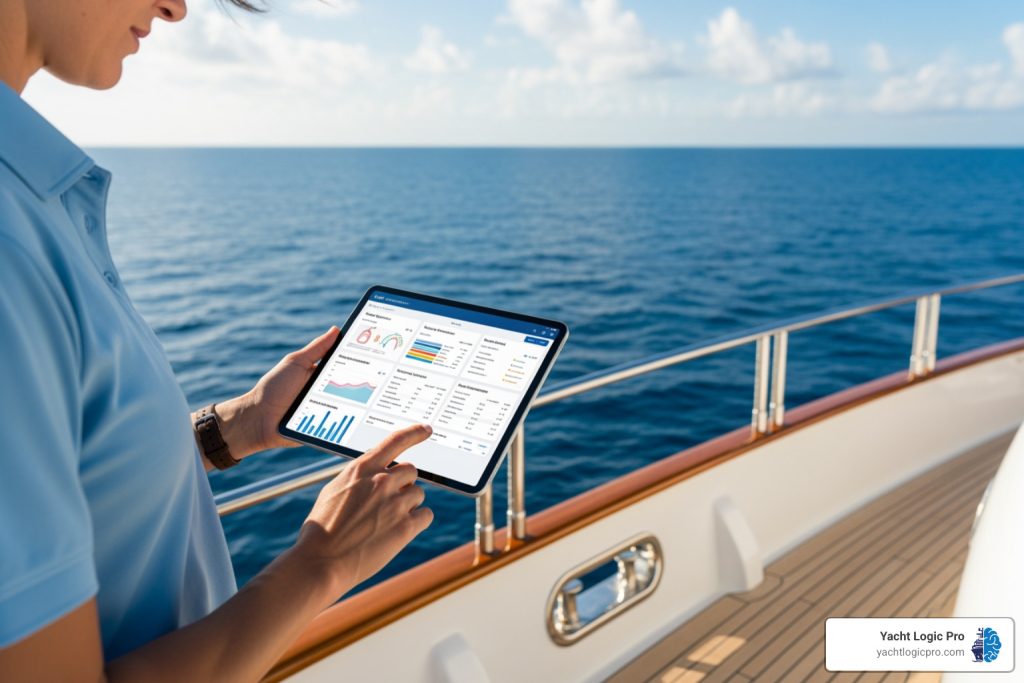
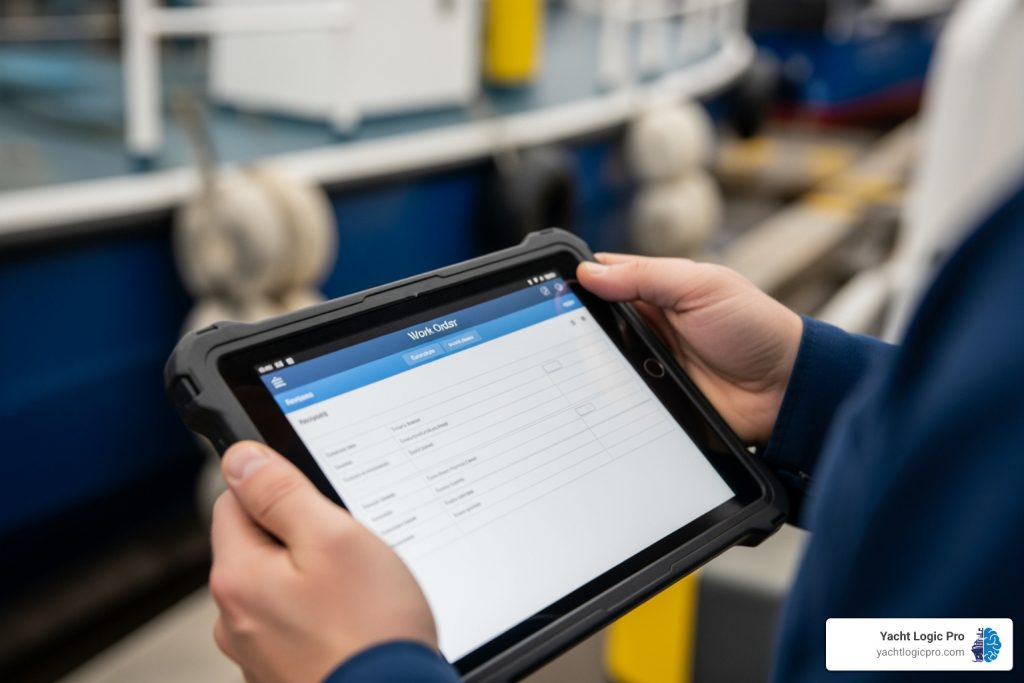
A marine CRM is most useful when it isn’t isolated. Tied into job scheduling and invoicing, it means a technician can pull up a boat’s full service history before a job starts, and every invoice ties back to the right client automatically. For businesses serving yacht owners specifically, that same client profile is also where preferences around communication live — increasingly relevant as more owners expect updates while underway. See our guide to
satellite communications for yachts for how connectivity is changing what owners expect from their service providers, and our guide to marine preventive maintenance best practices for how service history feeds a proactive maintenance program.
Who Relies on a CRM for Marine Clients
- Marina managers tracking slip holders and their vessels across a season
- Boatyards managing repeat clients alongside one-off repair work
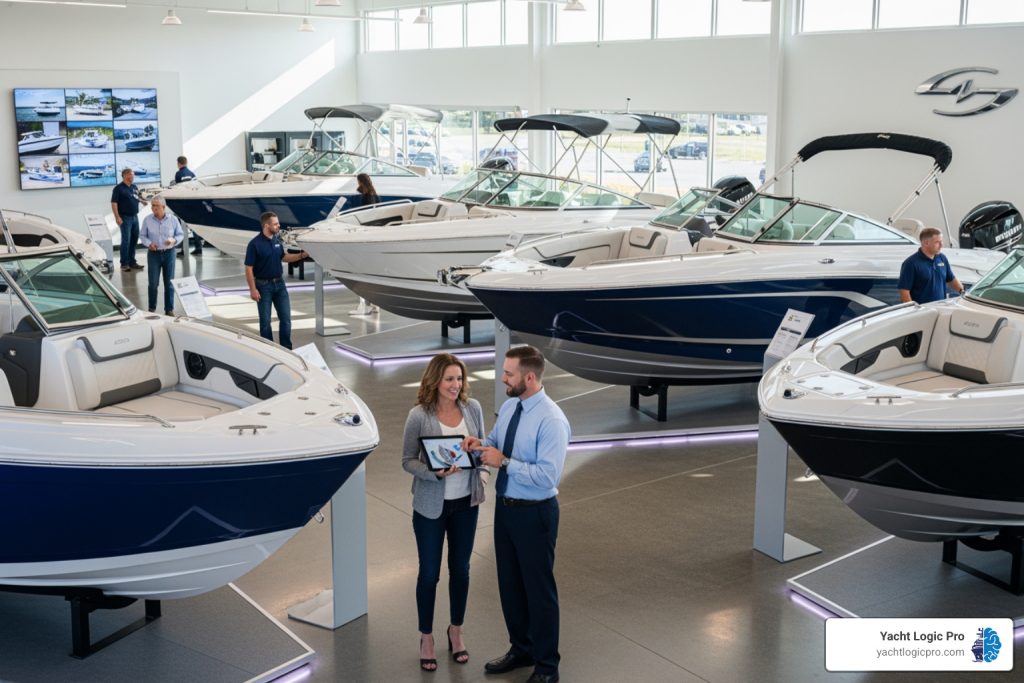
- Marine service companies coordinating multiple technicians across the same client base
- Yacht charter management teams tracking owner and guest relationships
- Independent technicians who need client history without hiring office staff
Frequently Asked Questions
What is a CRM for marine clients?
It’s a centralized system that stores client contact information, vessel details, service history, and documents in one profile, built specifically for marine service businesses rather than adapted from a generic sales tool.
How is a marine CRM different from a spreadsheet?
A spreadsheet can hold names and notes, but it can’t automatically tie a job, an invoice, and a service record to the correct vessel, and it breaks down as soon as more than one person needs to update it at the same time.
Can one client have multiple boats in the system?
Yes. A marine CRM is built around the reality that clients often own or manage more than one vessel, with separate service histories for each.
Does a marine CRM track service history automatically?
When it’s connected to job scheduling and invoicing, yes — completed jobs, parts used, and payments update the client and vessel record without manual re-entry.
Is a marine CRM the same as customer management software?
They’re closely related. Customer management software typically covers the front end — lead capture, e-signatures, consent forms — while a CRM for marine clients covers the ongoing record of the relationship after the sale. Yacht Logic Pro includes both.
What happens to a boat’s history if it changes owners?
In a marine CRM, service history is generally tied to the vessel record, not just the client record, so a new owner’s technician can review past work even if the client profile itself is new.
Does a marine CRM help with staff turnover?
Yes — because client preferences, vessel details, and service notes live in the system rather than in one person’s memory, a new hire can get up to speed on an account much faster.
Related Reading
A documented service history is most valuable when it feeds a proactive maintenance program rather than sitting unused — see our guide to marine preventive maintenance best practices for how the two work together in practice.
| See the Full Client and Vessel Record in ActionA CRM for marine clients is one part of the complete Yacht Logic Pro platform, alongside job scheduling, invoicing, and equipment tracking. Explore the full Yacht Logic Pro feature set to see how client, vessel, and job data connect, or check pricing to find the right plan for your client base. |