Introduction: The Critical Role of Compliance in Modern Maritime Operations
Vessel compliance software helps marine businesses meet international maritime laws, environmental regulations, and safety standards through automated monitoring, reporting, and risk management.
Quick Answer: What You Need to Know About Vessel Compliance Software
- What it does: Automates compliance tracking, monitors vessels, manages certifications, and generates audit-ready reports.
- Key regulations covered: ISPS Code, SOLAS, Ballast Water Management, emissions reporting (EU MRV, IMO DCS), and sanctions (OFAC, UN).
- How it works: Integrates AIS, satellite, and GNSS data with AI to detect risks and flag non-compliance.
- Core benefits: Reduces fines, saves time, improves safety, and improves company reputation.
- Essential features: Regulatory libraries, automated alerts, maintenance tracking, document management, and offline access.
With over 90% of world trade carried by sea, the maritime industry operates under intense scrutiny. A single missed inspection or outdated certificate can lead to hefty fines, vessel detentions, lost contracts, and severe reputational damage.
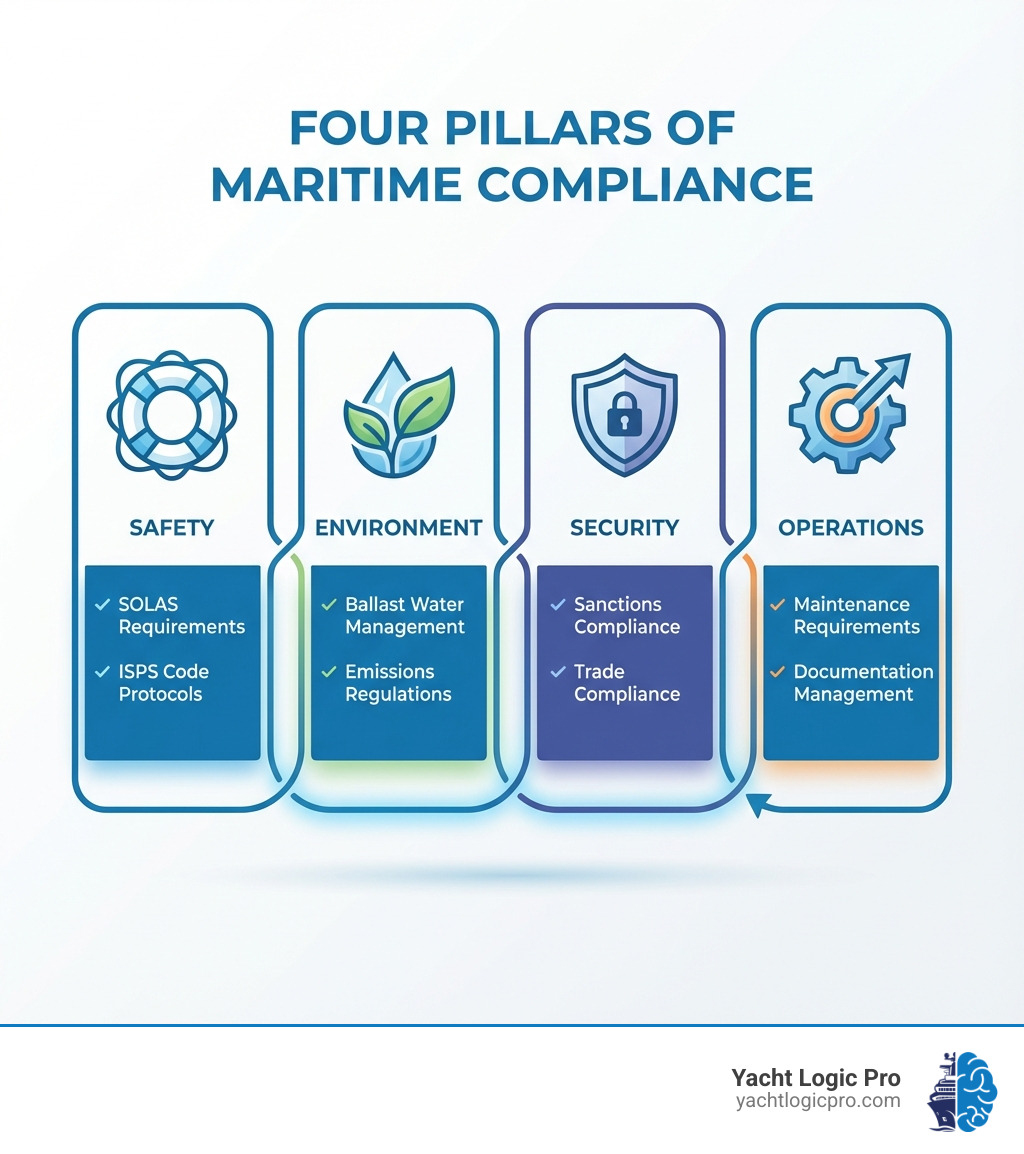
The regulatory landscape is more complex than ever, covering security (ISPS Code), safety (SOLAS), environmental rules (ballast water, emissions), and trade sanctions (OFAC, UN). Managing this with spreadsheets and paper logs is inefficient and risky.
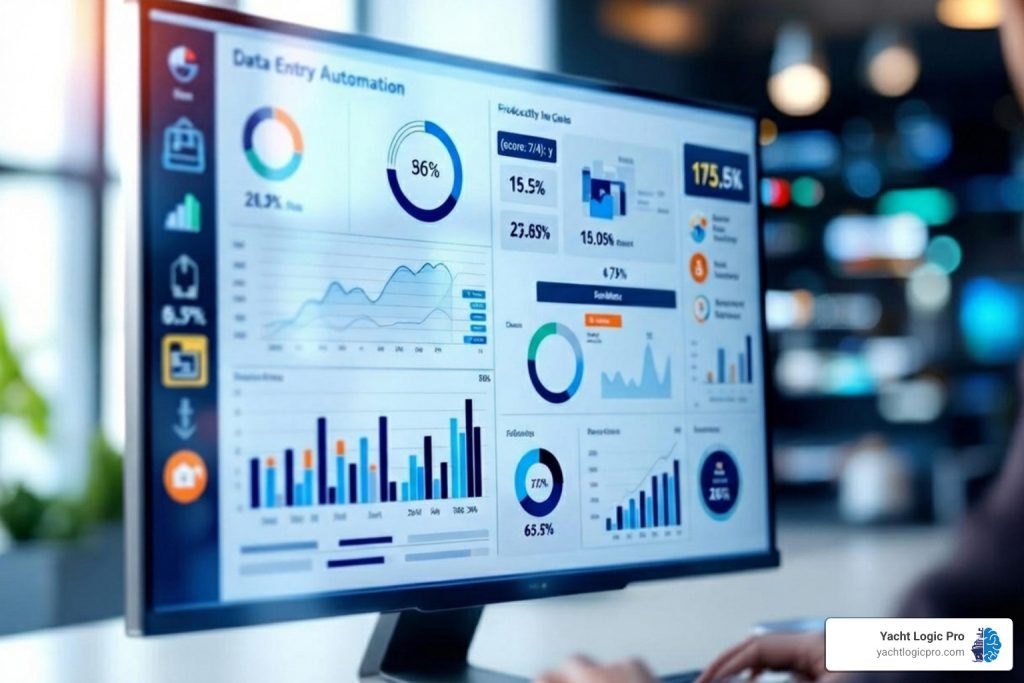
Modern vessel compliance software transforms this chaos into clarity. These platforms centralize regulations, automate monitoring, and provide real-time visibility into your fleet’s compliance status. They turn compliance from a cost center into a strategic advantage that boosts safety, efficiency, and profitability.
The High Stakes of Non-Compliance
A single compliance failure can have a ripple effect across your business. The consequences are severe and can include:
- Financial Penalties: Multi-million-dollar fines for environmental or sanctions violations are common.
- Operational Disruptions: Vessel detentions at port lead to costly delays, missed deadlines, and contractual breaches. This can result in lost contracts or blacklisting.
- Reputational Damage: A poor compliance record makes it difficult to attract clients, secure financing, and can lead to higher insurance premiums.
- Safety Risks: Non-compliance often increases safety risks for the crew, cargo, and vessel, and can lead to environmental incidents like oil spills.
Key Regulations Driving the Need for Digital Solutions
The volume of maritime regulations makes digital solutions essential. Vessel compliance software acts as a digital compass, helping operators steer this complex environment. Key regulations include:
Safety & Security
-
ISPS Code: Enhancing Vessel and Port Security
The ISPS Code is a mandatory IMO framework to deter security threats. Compliance software helps monitor vessel behavior and manage security documentation to maintain a vigilant posture. -
SOLAS Convention: Safeguarding Life at Sea
SOLAS is a critical treaty covering vessel safety standards for equipment, construction, and crew readiness. Software helps manage safety equipment, track certifications, and automate checks to stay aligned with evolving standards.
Environmental Protection
-
Ballast Water Management (BWM) Convention: Preventing Ecological Invasion
This IMO convention requires ballast water treatment and record-keeping to prevent the spread of invasive species. Software automates reporting and simplifies this complex obligation. -
Emissions Reporting: Clearing the Air for a Greener Future
The EU’s MRV regulation and the IMO’s Data Collection System (DCS) mandate fuel consumption and CO₂ emissions reporting. Software streamlines data collection and submission.
Trade & Sanctions
- OFAC and UN Sanctions Compliance and United Nations sanctions: Navigating Restricted Waters
OFAC and the UN prohibit trade with certain entities. Non-compliance can lead to massive fines. Compliance software screens for high-risk engagements and helps operators avoid prohibited activities.
The Engine Room: How Vessel Compliance Software Works
At its core, vessel compliance software is a sophisticated data processing tool that works behind the scenes to keep operations compliant and safe.
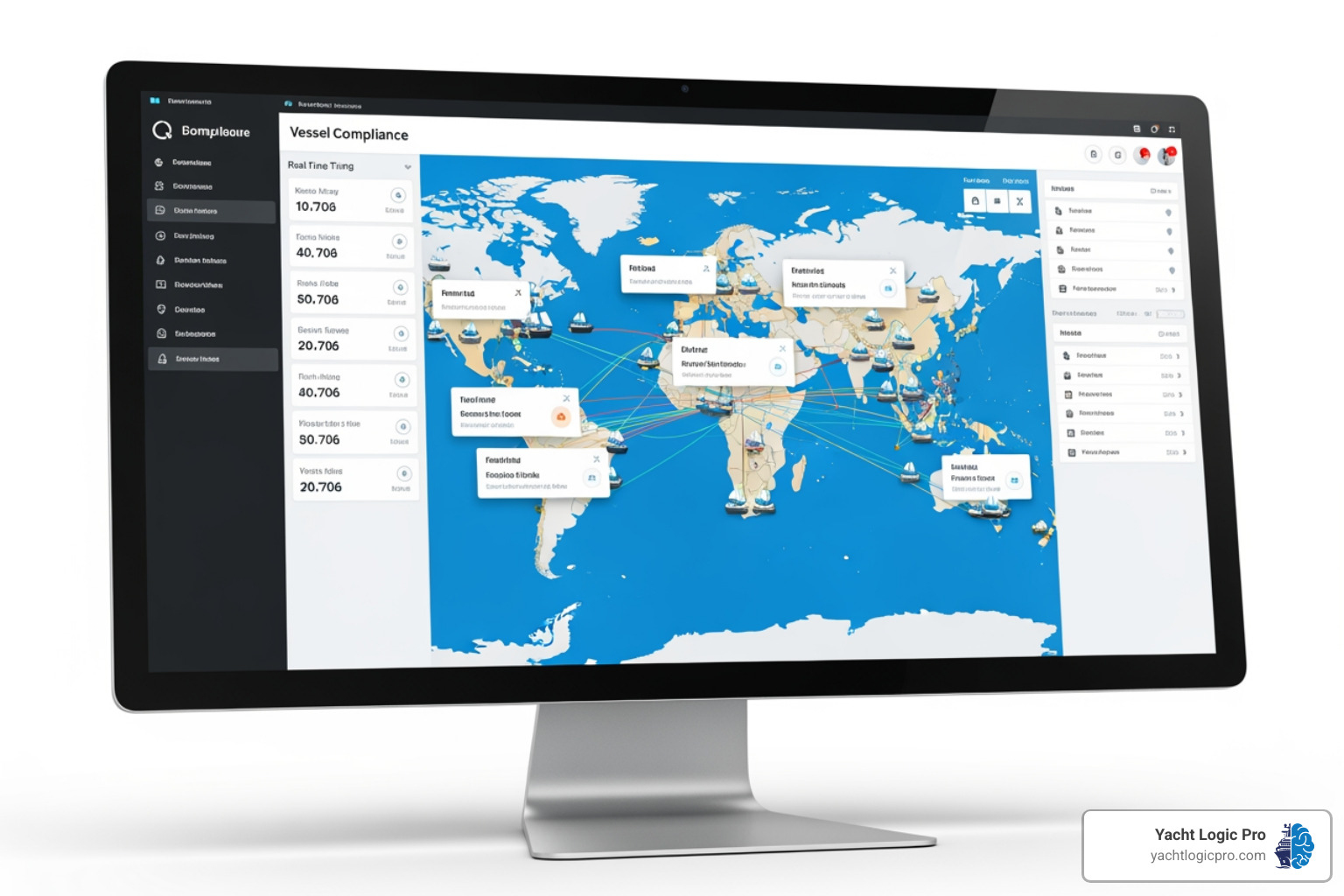
It operates in three main stages:
-
Data Ingestion: The software integrates vast data streams from multiple sources, including real-time positioning from AIS (Automatic Identification System), satellite data, and GNSS (Global Navigation Satellite System). It also pulls from constantly updated regulatory databases to ensure it has the latest rules.
-
Processing & Analytics: Using Artificial Intelligence (AI) and Machine Learning (ML), the software analyzes data to identify anomalies and assess compliance. A powerful “rules engine” compares incoming data against known regulations and operational parameters to detect potential issues.
-
User Interface: This complex processing is translated into actionable insights via intuitive dashboards, automated alerts, and comprehensive reports. Users can see fleet compliance at a glance, receive instant notifications of risks, and access audit-ready documentation.
The Power of AI, Machine Learning, and Data Analytics
AI, ML, and data analytics move compliance from a reactive task to a proactive, predictive strategy. These technologies enable:
- Predictive Risk Scoring: The software analyzes factors like vessel history, route, and port calls to calculate a real-time risk score, helping anticipate compliance issues before they happen.
- Anomaly Detection: AI establishes baselines of normal vessel behavior and immediately spots deviations—such as unusual speed changes or route diversions—that could indicate a compliance risk.
- Trend Analysis: The software identifies long-term trends in compliance performance and operational efficiency, providing data-driven insights for continuous improvement.
- Generating Audit Trails: Every action and data point is recorded, creating immutable audit trails that are invaluable during inspections.
This data-driven approach is the future of marine service. For more on this, check out our insights on Why Data-Driven Yacht Service is the Future.
Unmasking Deceptive Shipping Practices (DSPs)
Deceptive Shipping Practices (DSPs) are illicit tactics used to hide activities, often to circumvent sanctions or engage in illegal trade. Vessel compliance software is a critical tool for unmasking these dangers.
Common DSPs include:
- AIS Disabling/Spoofing: Intentionally turning off AIS transponders (“going dark”) or transmitting false location data.
- Location Manipulation (GNSS): Falsifying a vessel’s position by manipulating its satellite navigation data.
- Suspicious Ship-to-Ship (STS) Transfers: Conducting transfers in high-risk areas to move illicit cargo.
- Flag Hopping: Frequently changing a vessel’s flag of registration to evade scrutiny.
- Irregular Voyage Patterns: Taking unusual routes to obscure a vessel’s origin or destination.
Maritime compliance software combats DSPs by using AI to analyze vessel behavior against risk indicators. It can map complex ownership networks to identify beneficial owners and correlate AIS data with satellite imagery and sanctions lists to flag suspicious activities in real-time. This proactive monitoring is essential for protecting operations from involvement in illicit trade.
Ensuring Data Security and Seamless Integration
Robust data security and seamless system integration are non-negotiable. Vessel compliance software handles sensitive data and must connect with existing systems to be effective.
Key security measures include bank-level encryption, multi-factor authentication (MFA), role-based access control (RBAC), and compliance with standards like GDPR and ISO 27001.
Seamless system integration is achieved through:
- API Connectivity: Allowing the compliance software to “talk” to other platforms.
- Integration with ERP and Accounting Systems: Ensuring compliance data flows into broader business management and financial tracking.
- Third-Party Services: Connecting with port authorities, weather services, and other maritime platforms for a holistic view.
The goal is to eliminate manual data entry and ensure all systems work together. This is why marine-specific software is superior to generic tools. Learn more in our article Why Marine-Specific Software Beats Generic Tools.
A Buyer’s Guide: Choosing the Right Maritime Compliance Platform
Choosing the right vessel compliance software requires careful evaluation. With many options available, it’s important to focus on key criteria to find the best fit for your operations.

When evaluating platforms, look for:
- Scalability: Can the software grow with your fleet?
- User Experience (UX): Is it intuitive for both crew and shore-based teams?
- Vendor Support: Is 24/7 technical support and training available?
- Reliability: Does the provider guarantee uptime and data integrity?
Essential Features to Look for in Vessel Compliance Software
A top-tier maritime compliance platform should offer these essential features:
- Centralized Regulatory Library: An up-to-date database of maritime regulations with offline access.
- Automated Monitoring & Alerts: Real-time tracking of vessel activity with custom alerts for non-compliance or high-risk events.
- Comprehensive Reporting & Audit Trails: The ability to generate detailed, audit-ready reports with logs of all compliance activities.
- Maintenance and Safety Management (ISM/SMS): Integration with planned maintenance systems (PMS) to manage safety equipment, drills, and checklists in line with ISM/SMS requirements.
- Document Management System: A secure repository for all vessel documents, certificates, and crew records.
- Vessel & Fleet-wide Dashboards: An intuitive overview of the fleet’s compliance status and key risk indicators.
- Offline Functionality: Full functionality in areas with limited internet, with seamless data syncing once a connection is restored.
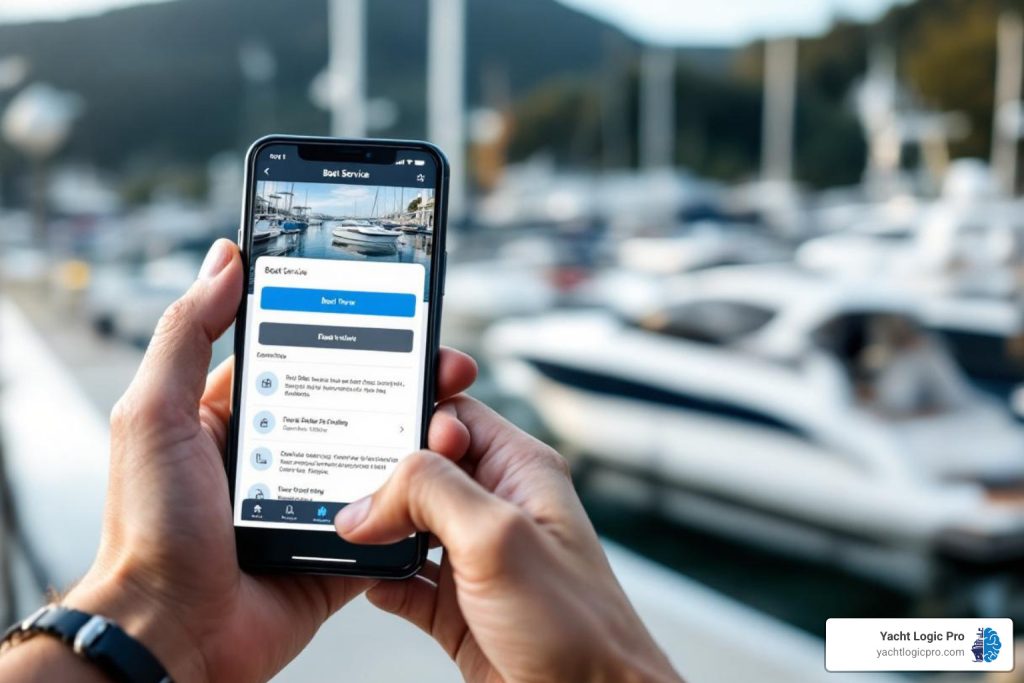
- Mobile Access: Browser-based and mobile apps for managing fleet operations from anywhere.
For a more in-depth look at what to prioritize, we’ve prepared a comprehensive guide: A Buyer’s Checklist.
Types of Solutions: Finding the Right Fit for Your Fleet
The market offers a diverse range of solutions. Understanding the types helps pinpoint the best fit for your fleet.
- All-in-One Platforms: Comprehensive suites covering all aspects of fleet management, ideal for organizations seeking a single, unified system.
- Specialized Modules: Solutions focused on specific areas like sanctions screening or planned maintenance, best for enhancing existing systems.
- Cloud-based (SaaS) vs. On-premise: SaaS offers flexibility, remote access, and lower upfront costs, while on-premise provides maximum data control but requires more IT overhead.
- AI-driven Intelligence: Advanced solutions using AI for predictive analytics, anomaly detection, and risk scoring.
- Basic Checklist Tools: Simpler tools for smaller operations focused on basic documentation and checklist management.
- Customizability: The ability to tailor the software to specific workflows, vessel types, and compliance needs.
The right fit depends on your fleet size, operational complexity, budget, and strategic goals.
The Strategic Benefits of Adopting Digital Compliance Tools
Investing in vessel compliance software is a strategic move that transforms compliance from a cost center into a driver of efficiency, profitability, and reputation. The return on investment extends far beyond avoiding fines, offering operational advantages that position a marine business for long-term success.
Why Adopting Vessel Compliance Software is a Strategic Investment
Relying on manual processes for compliance is no longer viable. Adopting vessel compliance software is a strategic imperative that redefines operations by delivering:
- Risk Reduction: Proactively identifying and mitigating compliance risks before they become costly incidents.
- Cost Savings: Streamlining processes and avoiding penalties saves time and money, freeing up teams for high-value tasks.
- Operational Efficiency: Eliminating administrative burdens and providing real-time data leads to smoother operations and fewer delays.
- Reputation Improvement: A strong compliance record improves standing with charterers, regulators, and financial stakeholders.
- Value Creation: Compliance becomes a strategic asset that contributes to a safer, more efficient, and sustainable business.
Empower your team with the right digital tools. Explore our guide on Digital Tools Every Marine Technician Should Be Using.
Mitigating Risk, Enhancing Safety, and Reducing Costs
Vessel compliance software builds a safer and more cost-effective operation by:
- Reducing Fines and Penalties: Ensuring regulatory adherence minimizes the risk of costly fines and vessel detentions.
- Proactive Risk Identification: Identifying high-risk areas and logging incidents improves vessel safety.
- Improving Safety Culture: Automating ISM/SMS compliance, including drills and checklists, fosters a robust safety management system.
- Securing Better Insurance Rates: Demonstrating strong compliance practices with detailed audit trails can lead to lower insurance premiums.
- Optimizing Maintenance: Predictive maintenance scheduling reduces downtime and protects assets.
Boosting Reputation and Supporting Sustainability Goals
A strong compliance record is a powerful statement about corporate responsibility. Vessel compliance software helps boost reputation and achieve sustainability goals by:
- Improving Reputation: Consistent compliance builds trust with charterers, regulators, and financial partners.
- Demonstrating Environmental Compliance: The software provides tools for EEXI and CII readiness to meet decarbonization targets.
- Streamlining Emissions Monitoring: It simplifies data collection and submission for EU MRV and IMO DCS, proving a commitment to reducing the carbon footprint.
- Automating Ballast Water Management: The software helps prevent the spread of invasive species, protecting marine ecosystems.
- Facilitating ESG Reporting: Comprehensive data and audit trails are invaluable for transparent Environmental, Social, and Governance (ESG) reporting.
The Future of Maritime Compliance Technology
The future of vessel compliance software promises greater automation, intelligence, and integration to steer the evolving maritime landscape. Key trends include:
- Greater AI Integration & Predictive Compliance: More sophisticated AI will offer predictive insights, suggesting optimal routes and operational adjustments to maintain compliance.
- Autonomous Reporting: Routine compliance reports will be automatically generated and submitted, freeing up teams for strategic oversight.
- Increased Connectivity & IoT Sensors: The growth of IoT sensors on vessels will provide more real-time data for continuous monitoring of operational and environmental standards.
- Blockchain for Record-Keeping: Blockchain technology could offer a secure and immutable way to record compliance data, revolutionizing audit trails.
- Decarbonization Regulations (CII & EEXI Readiness): Software will provide advanced tools for monitoring and reporting on new decarbonization metrics like CII and EEXI.
The marine industry is undergoing rapid digital change. To stay competitive, businesses must accept these advancements. For insights on preparing for what’s next, explore our article on How to Get Ahead in 2025.
Frequently Asked Questions about Vessel Compliance
Here are answers to some common questions about vessel compliance software.
How long does it take to implement vessel compliance software?
The implementation timeline varies depending on factors like fleet size, data migration needs, system integrations, and crew training. A basic setup might take a few weeks, while a comprehensive implementation for a large fleet could take several months. Key factors include:
- Fleet Size and Complexity: Larger, more diverse fleets require more time.
- Data Migration: Transferring data from old systems is a crucial step.
- System Integration: Connecting to existing ERP or accounting systems adds time.
- Crew Training: Ensuring staff are proficient is essential for adoption.
- Onboarding Support: Guided onboarding from the provider can expedite the process.
Can this software be used on smaller vessels or just large commercial fleets?
Absolutely. Vessel compliance software is highly scalable and beneficial for vessels of all sizes, from superyachts and fishing fleets to large commercial ships. Modern solutions can be configured for different fleet sizes and customized for the unique compliance and maintenance needs of specific vessel types. The core benefits of risk reduction, cost savings, and improved safety apply universally.
How does the software stay updated with new maritime regulations?
Staying current with changing regulations is a core function of compliance software. This is achieved through:
- Automated Updates: Providers monitor regulatory changes from bodies like the IMO and push updates to the software.
- Expert Partnerships: Many providers partner with services that track and interpret global maritime legislation.
- In-House Experts: Software companies often employ maritime law experts to ensure the platform’s rules are accurate.
- Notification Systems: The software can alert users to upcoming regulatory changes that will impact their fleet.
This proactive approach ensures users remain compliant without having to manually track regulatory developments.
Conclusion: Charting a Course for Compliant and Profitable Operations
In today’s maritime industry, robust safety management and unwavering compliance are critical. Vessel compliance software is a fundamental tool for navigating these complex waters, securing operations against financial penalties, reputational damage, and safety risks.
By centralizing regulations, automating tasks, and leveraging AI, these solutions empower businesses to mitigate risks, improve safety, boost efficiency, and drive cost savings. Adopting this technology is a strategic investment that transforms compliance into a data-driven advantage, charting a course for sustained profitability and a sterling reputation.
At Yacht Logic Pro, we understand these challenges. Our all-in-one, AI-powered marine maintenance and operations software is designed to automate maintenance, manage technicians, track inventory, and sync finances for service-driven marine businesses. By unifying your operations and eliminating manual data entry, we help you save time, boost profits, and ensure you’re always sailing safely and compliantly.
Ready to experience the future of marine operations? Explore our software features and find how we can help you steer towards a more compliant and profitable tomorrow.