
Marine Repair Labor Tracking: How Much Revenue Is Your Boat Repair Shop Losing to Unbilled Labor?
Unbilled labor represents a significant challenge for boat repair shops, often leading to substantial revenue losses. Many marine service businesses struggle to accurately track labor hours, resulting in unbilled work that directly impacts profitability. This article delves into the implications of unbilled labor, effective tracking methods, and strategies to minimize losses. By understanding the nuances of unbilled labor, shop owners can implement solutions that enhance their financial health. We will explore the definition of unbilled labor, its impact on revenue, and how marine management software can help recover lost income.
Impact of Unbilled Labor on Revenue
Unbilled labor can severely affect the financial stability of boat repair shops. It refers to the hours worked by technicians that are not charged to customers, leading to lost revenue opportunities. This situation often arises from inefficient tracking systems or manual errors, which can disrupt cash flow and hinder growth. Understanding the financial implications of unbilled labor is crucial for marine service businesses aiming to maintain profitability and ensure sustainable operations.
Research further emphasizes the critical financial implications of unbilled work, showing its direct negative correlation with a firm’s overall value.
Unbilled Receivables Impact on Firm Value & Revenue Loss
Revenue recognition timing has caused conflicts between the reliability and usefulness of accounting information and become an important issue. Unbilled receivables are inevitable in long-term construction projects,but they can also result frompremature revenue recognition for earnings management. This study evaluated the correlation between unbilled receivables and earnings management,between unbilled receivables and firm value, and between unbilled receivables with loss allowances andfirm value from 2010 to 2016. The analysis results confirmed that companies engaged inearnings management viaunbilled receivables. Unbilled receivables had a significantly negative correlation with firm value. The result implied that unbilled receivables were interpreted as a signal of poor management,and the market responded negatively. However, for companies that had established loss allowances for unbilled receivables, the correlation results were not significant or less significantthan
REVENUE RECOGNITION ON PERCENTAGE OF COMPLETION BASIS AND FIRM VALUE., 2020
Methods for Tracking Labor

Effective labor tracking is essential for minimizing unbilled hours. Various methods can be employed to enhance accuracy and accountability in labor management:
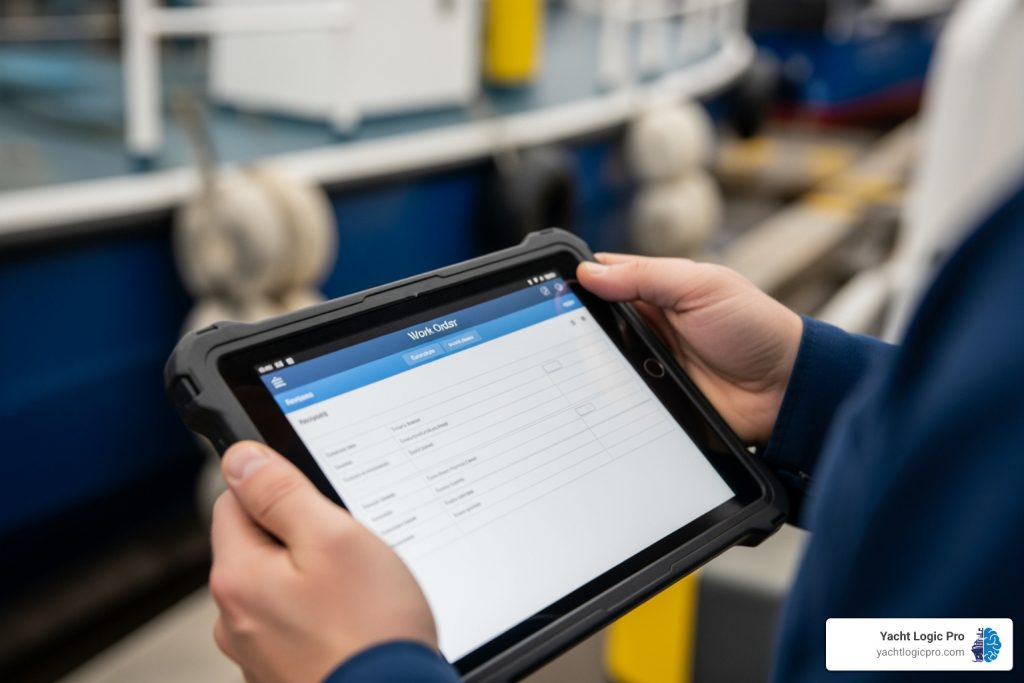
- Digital Time Tracking: Utilizing software solutions that allow technicians to log hours in real-time can significantly reduce errors.
- Job Management Software: Comprehensive platforms can integrate labor tracking with project management, ensuring all hours are accounted for.
- Mobile Applications: Enabling technicians to track their time via mobile devices increases convenience and accuracy.
Implementing these methods can lead to better visibility of labor costs and improved billing processes.
Strategies to Minimize Losses
To combat unbilled labor, marine service businesses can adopt several strategies:
- Automated Invoicing: Streamlining the invoicing process ensures that all billable hours are captured and billed promptly.
- Standardized Job Templates: Creating templates for common jobs can help technicians accurately estimate and record time spent on tasks.
- Real-Time Analytics: Utilizing analytics tools can provide insights into labor performance, helping identify areas for improvement.
By implementing these strategies, shops can significantly reduce the incidence of unbilled labor and enhance their overall profitability.
What Is Unbilled Labor and How Does It Impact Marine Service Shop Revenue?
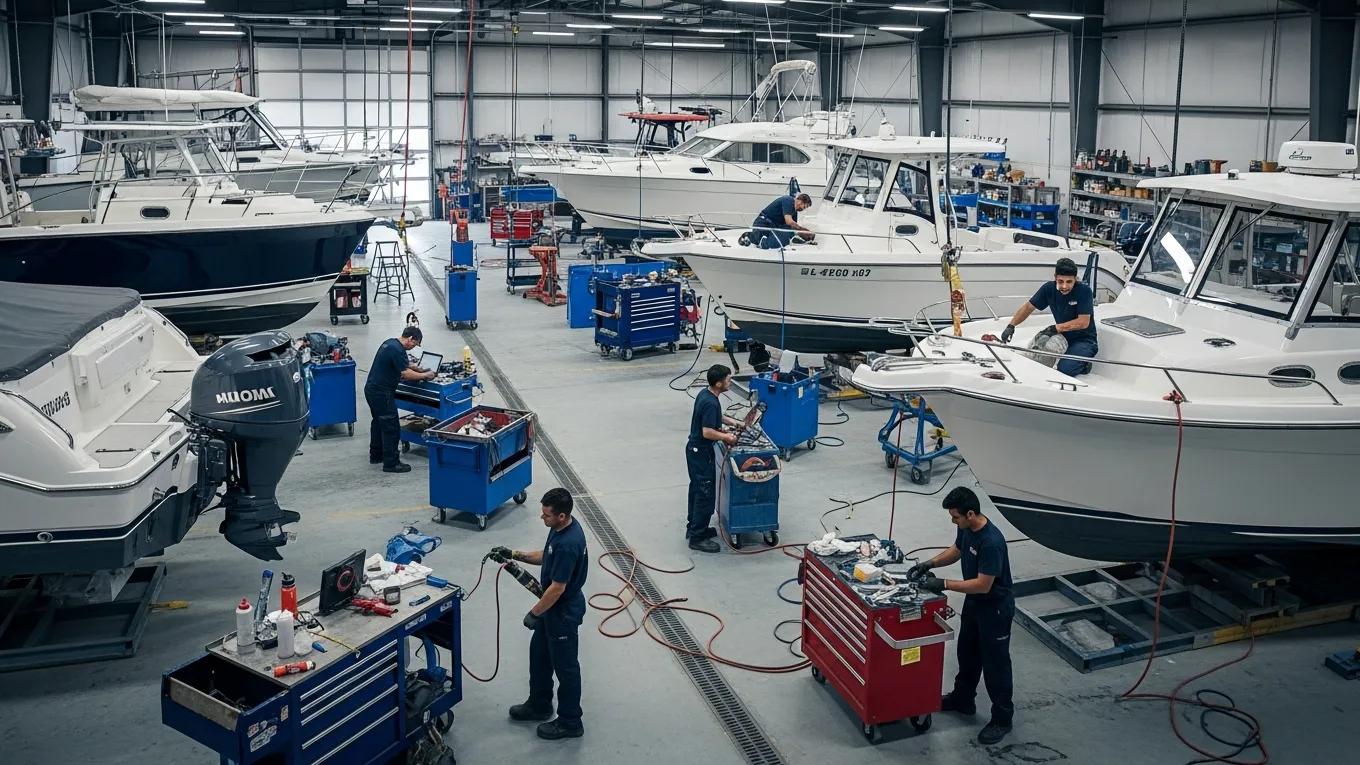
Unbilled labor is a critical issue for marine service shops, representing hours worked that are not charged to clients. This can occur due to various factors, including administrative errors, lack of proper tracking systems, and miscommunication regarding job scopes. The financial implications are profound, as unbilled labor directly reduces revenue and can lead to cash flow problems.
Defining Unbilled Labor in Boat Repair Shops
Unbilled labor encompasses any work performed by technicians that is not reflected in customer invoices. This can include time spent on repairs, diagnostics, or even administrative tasks that are not charged. For instance, if a technician spends two hours diagnosing a problem but fails to log that time, the shop loses potential revenue. Understanding this concept is vital for shop owners to address the root causes of unbilled labor effectively.
Common Scenarios of Unbilled Labor:
- Manual Data Entry Errors: Mistakes in logging hours can result in significant revenue loss.
- Change Orders: When customers request additional work, failing to document this can lead to unbilled hours.
- Inaccurate Job Costing: Poorly defined job scopes can result in technicians working without proper billing.
Recognizing these scenarios allows shop owners to implement better tracking and management practices.
Implications of Unbilled Labor on Shop Profitability:
The implications of unbilled labor extend beyond immediate revenue loss. It can affect cash flow, leading to challenges in meeting operational expenses. Additionally, unbilled labor can create decision-making challenges, as shop owners may struggle to assess the true profitability of their services. This can hinder growth and investment in the business, making it essential to address unbilled labor proactively.
Quantifying Revenue Loss from Unbilled Labor in Marine Services
Quantifying the revenue loss from unbilled labor is crucial for marine service businesses. By analyzing labor hours and comparing them to billed hours, shops can identify the extent of their losses. This process involves:
- Tracking Labor Hours: Accurately logging all hours worked by technicians.
- Comparing Billed vs. Unbilled Hours: Analyzing discrepancies to understand the financial impact.
- Calculating Potential Revenue: Estimating the revenue that could have been generated from unbilled hours.
This quantification process helps shop owners make informed decisions about improving their labor tracking systems.
How Can Marine Repair Labor Tracking Software Reduce Revenue Loss?
Marine repair labor tracking software can play a pivotal role in reducing revenue loss from unbilled labor. These solutions offer features that streamline labor management, ensuring that all hours worked are accurately recorded and billed. Key benefits include:
- Real-Time Tracking: Technicians can log hours as they work, minimizing the risk of unbilled labor.
- Integration with Invoicing: Automated invoicing systems ensure that all billable hours are captured and billed promptly.
- Data Analytics: Insights from labor data can help identify trends and areas for improvement.
By leveraging such software, marine service businesses can enhance their operational efficiency and recover lost revenue.
Key Features of Boat Repair Shop Productivity Software for Labor Cost Control
When selecting productivity software for labor cost control, marine service businesses should consider several key features:
- Time Tracking: Essential for accurately logging hours worked.
- Job Management: Helps in organizing tasks and tracking progress.
- Invoicing and Payment Processing: Streamlines billing and ensures timely payments.
These features collectively contribute to better labor management and reduced instances of unbilled labor.
Benefits of Automating Labor Tracking and Billing in Marine Service Shops
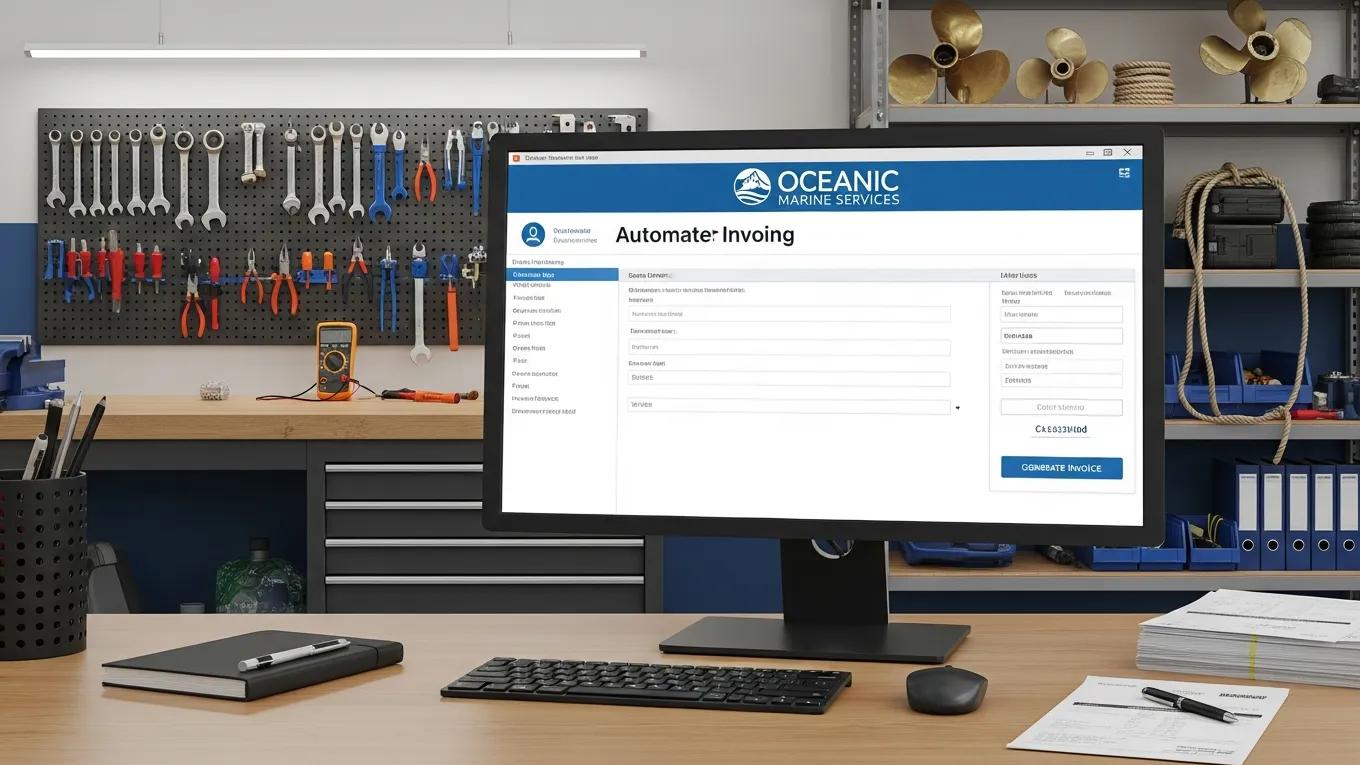
Automating labor tracking and billing offers numerous benefits for marine service shops:
- Increased Accuracy: Reduces human error in time logging and invoicing.
- Improved Efficiency: Streamlines processes, allowing technicians to focus on their work rather than administrative tasks.
- Enhanced Customer Satisfaction: Timely and accurate billing improves customer trust and satisfaction.
By embracing automation, shops can significantly enhance their operational effectiveness.
What Are Best Practices for Managing Unbilled Labor in Marine Service Businesses?
To effectively manage unbilled labor, marine service businesses should adopt best practices that promote accountability and accuracy:
- Effective Tracking Methods: Implementing reliable tracking systems to log all labor hours.
- Staff Training: Ensuring that all employees understand the importance of accurate time tracking.
- Regular Audits: Conducting audits to identify discrepancies and areas for improvement.
These practices can help mitigate the risks associated with unbilled labor.
Implementing Accurate Labor Time Capture and Job Costing
Accurate labor time capture and job costing are essential for minimizing unbilled labor. This involves:
- Adopting Specialized Software: Utilizing tools designed for labor management.
- Standardizing Procedures: Establishing clear protocols for logging hours and job costing.
- Training Staff: Ensuring that all team members are proficient in using the software and understand the importance of accurate time capture.
By focusing on these areas, marine service businesses can enhance their labor management processes.
Optimizing Workflow to Minimize Unbilled Labor and Maximize Profitability
Optimizing workflow is crucial for minimizing unbilled labor. Strategies include:
- Streamlining Processes: Identifying bottlenecks and inefficiencies in current workflows.
- Enhancing Communication: Ensuring that all team members are aligned on job scopes and expectations.
- Regular Audits: Conducting periodic reviews of labor tracking practices to identify areas for improvement.
These strategies can lead to improved efficiency and reduced instances of unbilled labor.
How Does Yacht Logic Pro Help Recover Lost Revenue from Unbilled Labor?
Yacht Logic Pro offers comprehensive solutions for marine service businesses looking to recover lost revenue from unbilled labor. Key features include:
- Real-Time Labor Tracking: Ensures that all hours worked are accurately logged.
- Automated Invoicing: Streamlines the billing process, reducing the risk of unbilled hours.
- Data Analytics: Provides insights into labor performance, helping identify areas for improvement.
By utilizing Yacht Logic Pro, marine service businesses can enhance their operational efficiency and recover lost revenue.
Case Studies Demonstrating Revenue Recovery with Yacht Logic Pro
Several marine service businesses have successfully recovered lost revenue by implementing Yacht Logic Pro. These case studies highlight:
- Success Stories: Businesses that have seen significant improvements in labor tracking and billing.
- Quantified Results: Demonstrating the financial impact of improved labor management.
- Customer Testimonials: Feedback from users who have benefited from the software.
These examples illustrate the effectiveness of Yacht Logic Pro in addressing unbilled labor challenges.
How to Start a Demo or Trial to Experience Revenue Benefits
To experience the revenue benefits of Yacht Logic Pro, marine service businesses can follow these steps:
- Visit the Website: Access the Yacht Logic Pro site to learn more about the software.
- Request a Demo: Fill out the form to schedule a demonstration of the software’s features.
- Explore Trial Options: Consider starting a trial to see firsthand how the software can enhance labor tracking and billing.
By taking these steps, businesses can begin to recover lost revenue and improve their operational efficiency.