
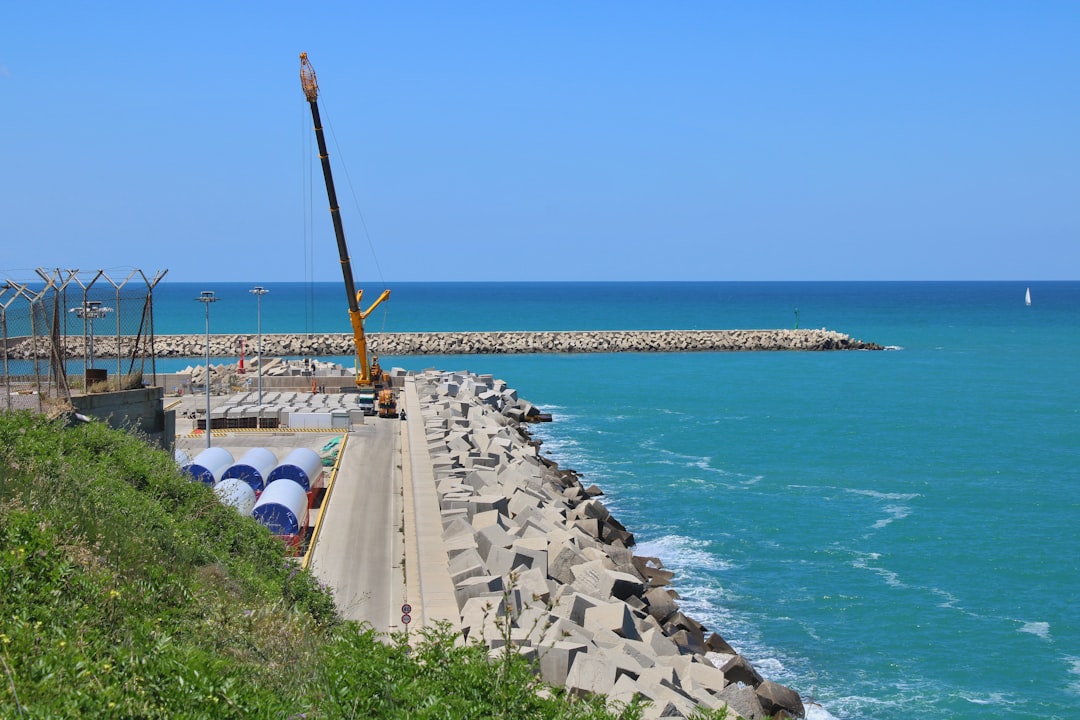
Why Marine Project Management Matters More Than Ever
Marine project management is the specialized discipline of planning, executing, and overseeing projects in the maritime environment—from vessel construction and offshore installations to underwater inspections and facility decommissioning. It requires a unique blend of technical expertise, operational know-how, and adaptive problem-solving to steer challenges like unpredictable weather, complex regulations, and the inherent risks of working in or near water.
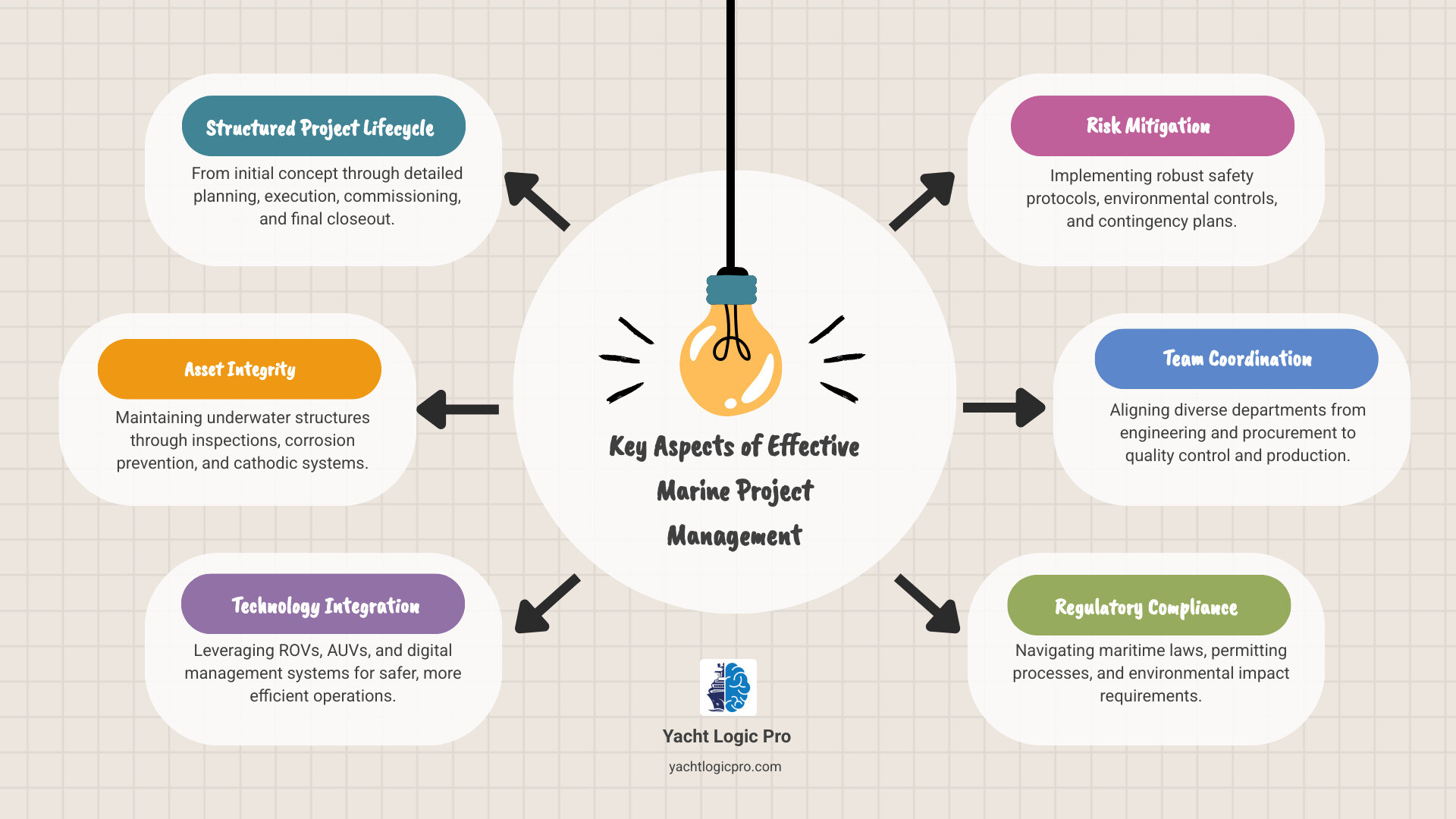
Key aspects of effective marine project management include:
- Structured Project Lifecycle – Moving from initial concept through detailed planning, execution, commissioning, and final closeout
- Asset Integrity – Maintaining underwater structures through regular inspections, corrosion prevention, and cathodic protection systems
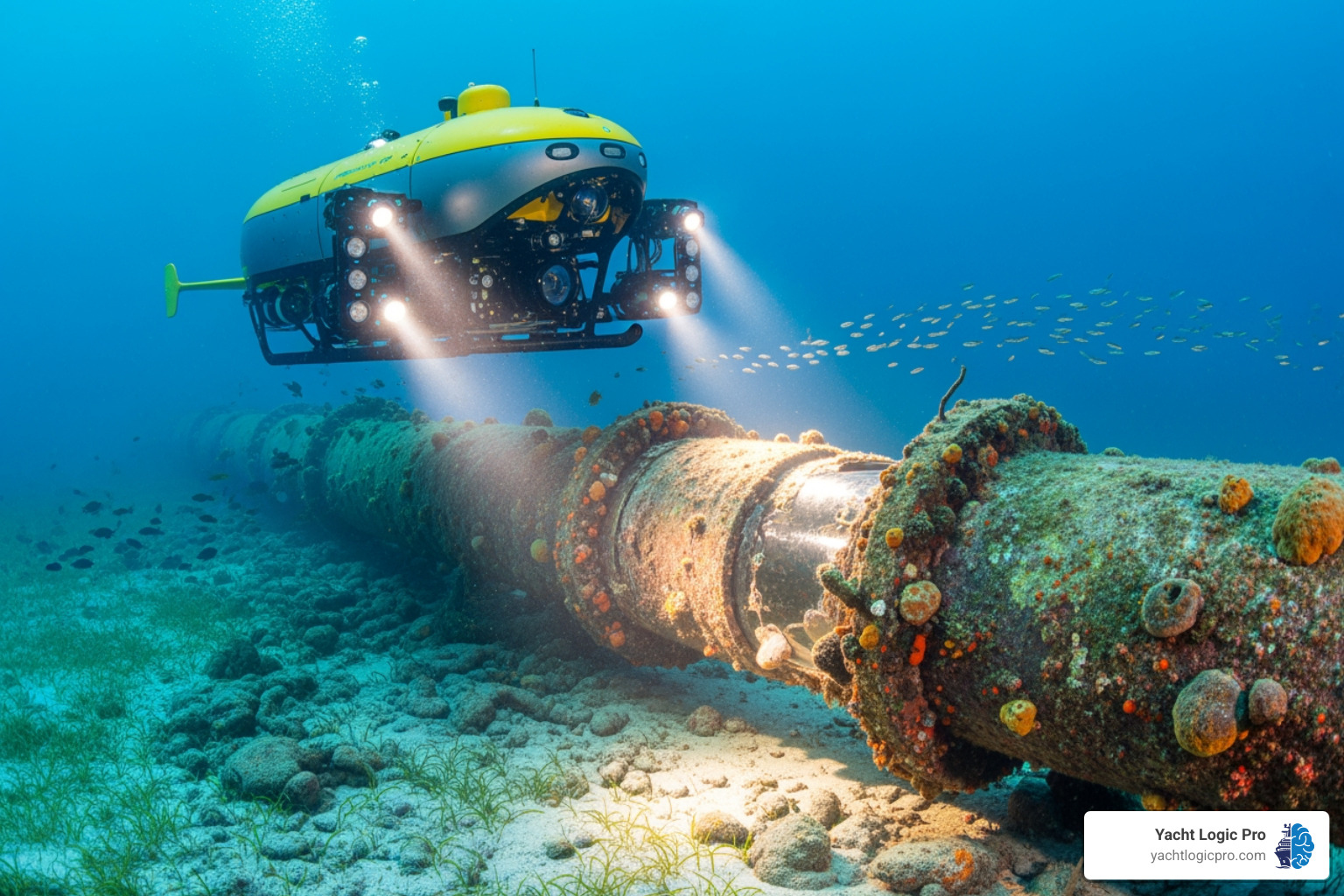
- Technology Integration – Leveraging ROVs, AUVs, and digital management systems for safer, more efficient operations
- Risk Mitigation – Implementing robust safety protocols, environmental controls, and contingency plans
- Team Coordination – Aligning diverse departments from engineering and procurement to quality control and production
- Regulatory Compliance – Navigating maritime laws, permitting processes, and environmental impact requirements
The marine industry has traditionally relied on paper-based records, disconnected spreadsheets, and manual processes to manage these complex projects. As leading firms in the field demonstrate with ISO 9001:2015 certifications and exemplary, accident-free safety records, success demands meticulous planning, strict quality controls, and an unwavering commitment to safety standards. Whether you’re managing a superyacht refit, coordinating a fleet of vessels, or overseeing offshore infrastructure projects, the stakes are high—delays translate to lost revenue, poor planning can jeopardize safety, and inadequate documentation creates compliance nightmares.
I’m Kevin Kates, founder of Yacht Logic Pro, and I’ve spent my career helping yacht owners and marine operators streamline their operations through better systems and strategic planning. Throughout my work in yacht management and maritime operations, I’ve seen how effective marine project management can transform operational efficiency and profitability, which is why I’m passionate about helping businesses move from chaotic manual processes to unified digital solutions.
The Core Components of Successful Marine Projects
Successful marine projects are built on a foundation of meticulous planning, proactive maintenance, and an unwavering commitment to safety and quality. These core components ensure that projects are not only completed on time and within budget but also perform as intended throughout their operational life, with minimal environmental impact and zero harm to personnel.
The Project Lifecycle: From Inception to Closeout
Every successful marine project, regardless of its size, follows a structured lifecycle. This journey typically begins with project initiation, where the core idea takes shape and preliminary feasibility studies are conducted. For instance, Maritime Project Management defines this as the planning, organization, and execution of projects related to the maritime industry, coordinating various activities, resources, and stakeholders.
Next comes detailed planning, which is arguably the most critical phase. Here, we outline every task, allocate resources, set timelines, and define clear objectives. This stage is where a comprehensive project plan is developed, identifying goals, objectives, and deliverables. Effective planning ensures projects stay on time and within budget, minimizing surprises down the line. A crucial part of this is contingency planning, anticipating potential issues and developing strategies to address them before they escalate. Think of it as having a “Plan B” (and C, and D) for everything from unexpected weather to equipment malfunctions. Leading firms emphasize developing projects from inception through detailed planning and contingency planning, including facility and logistics interfacing, implementation, commissioning, and turnover. This holistic approach ensures that every angle is covered, a practice we strongly advocate for.
Execution is when all that meticulous planning comes to life. Our teams are deployed, tasks are performed, and progress is made. This is followed by commissioning, where new systems or structures are tested and brought online to ensure they function as intended. Finally, project turnover marks the official completion, handing over the finished product to the client or operational team. Throughout this entire process, effective Project and Program management is crucial, encompassing the management of resources, personnel, and activities to successful completion. For specialized tasks like those in the oil and gas industry, Offshore Project Management takes center stage, requiring integrated solutions to simplify operations, reduce costs, and mitigate risks.
Asset Integrity and Maintenance
Maintaining the integrity of marine assets is paramount. The harsh marine environment, with its corrosive saltwater and dynamic forces, constantly challenges structures. Regular underwater inspection is vital for assessing the condition of submerged assets, identifying issues like corrosion, fatigue, and structural damage before they become critical. These inspections are not just about finding problems; they’re about preventing them.
Corrosion prevention is a cornerstone of asset longevity. One of the most effective techniques we use is cathodic protection. This method involves supplying an electrical current to the metal structure, effectively turning it into a cathode and preventing it from corroding. For example, some firms are global leaders in subsea facility impressed current cathodic protection (ICCP) retrofit system design and installations, even developing proprietary anode systems. They perform underwater cathodic protection surveys and manage retrofits for deep-water spars, platforms, pipelines, and marine terminals. Regularly checking cathodic protection systems’ performance and making necessary adjustments is a key practice.
Beyond corrosion, comprehensive facility maintenance ensures all components of a marine asset function optimally. This includes everything from routine checks and repairs to major overhauls. We know that neglecting maintenance leads to greater costs down the line. The Hidden Costs of Manual Yacht Maintenance Tracking are a testament to this, showing how inefficient tracking can lead to missed maintenance, unexpected breakdowns, and costly emergency repairs. On the flip side, by implementing robust maintenance tracking, marine businesses can How to Create Repeat Business with Better Yacht Service Records through transparency and reliability.
Specialized Marine Operations
Marine project management often involves highly specialized operations that demand unique expertise and careful planning.
One such area is facility decommissioning and facility abandonment. This involves the safe and environmentally responsible removal of structures that are no longer in use, such as offshore platforms or subsea pipelines. It’s a complex process that requires site assessment, meticulous dismantling, and proper waste management to prevent environmental harm. Experienced firms have a track record in decommissioning coastal, nearshore, marine, and subsea facilities, particularly in environmentally sensitive waters like those of California and Alaska.
Mooring systems, which secure vessels or floating structures, also require specialized project management. This includes the design, installation, overhaul, and removal of these critical systems, ensuring they can withstand the forces of the marine environment.
Another vital area is shoreline protection. Projects like the construction of seawalls and bulkheads are essential for protecting coastal properties from erosion and storm damage. These are not just construction jobs; they are investments in safeguarding valuable assets. If you’re looking for reliable marine construction services, Pearce Marine Construction highlights their expertise in Seawalls and Bulkheads, emphasizing their role in protecting and improving waterfront properties.
Upholding Safety and Quality Standards
In the marine environment, safety isn’t just a priority; it’s a non-negotiable prerequisite. A strong safety record is the bedrock of trust and operational integrity. Top-tier firms in the industry often maintain perfect HSE (Health, Safety, Environment) records, with some achieving a 100% accident-free safety record over decades. This remarkable achievement stems from an approach of interfacing their programs with client programs and onsite conditions, ensuring maximum safety.
Achieving such a record requires meticulous attention to detail and robust Quality Management Systems (QMS). Many leading companies’ Quality Management Systems are ISO certified and compliant with ISO 9001:2015, an international standard that ensures consistent provision of services meeting mission statement objectives. This commitment to quality means continuously employing internal and external system improvement, carefully planning, managing, executing, and controlling activities to exceed minimum contractual requirements.
Leading companies also focus on safety and efficiency in marine project management, emphasizing risk mitigation and the smooth execution of both high-risk and everyday marine activities. For us, upholding these standards means not just adhering to regulations but fostering a culture where safety and quality are ingrained in every decision and action. This is the foundation upon which all successful Project Management – Marine Consultants operate, ensuring that every project is delivered with the highest levels of professionalism and care.
Navigating the Unique Challenges of Marine Project Management
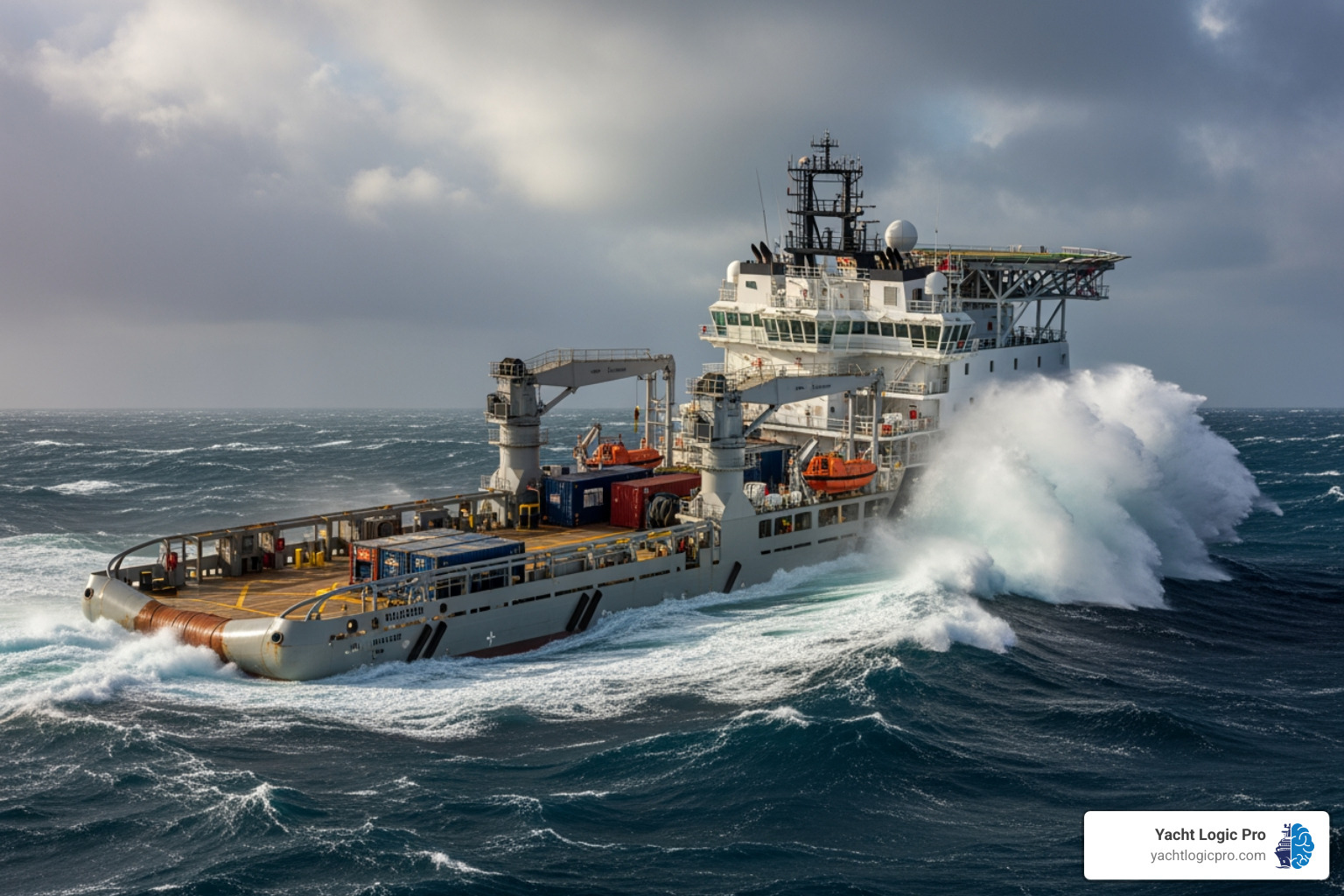
Managing projects in the marine environment presents a formidable set of challenges, from unpredictable weather to complex regulatory landscapes. Effective solutions require a proactive approach to risk, resilient supply chains, and strict project controls to keep operations on track.
Overcoming Operational Problems
The underwater environment is a world unto itself, presenting unique challenges that demand specialized solutions. Factors like water currents, visibility, and pressure can dramatically impact operations. Currents can make precise positioning difficult, while limited visibility can complicate inspections and construction tasks. The immense pressure at greater depths requires specialized equipment and highly trained personnel. Moreover, the marine environment is dynamic, with conditions that can change rapidly, often necessitating reliance on weather windows for safe operations.
These operational problems can lead to significant delays and cost overruns if not properly managed. This is why many marine service operations struggle with scheduling and efficiency. We often see that Why Most Marine Service Operations Fail at Scheduling and How to Fix It comes down to a lack of understanding these unique environmental factors and inadequate planning to account for them. Overcoming these problems requires deep expertise, flexible planning, and the right technological tools to adapt to the unpredictable nature of the sea.
Mastering Project Controls and Risk Management
A clear project scope is the bedrock of any successful endeavor, especially in marine projects. Without well-defined objectives, projects can easily drift, leading to costly delays and inefficiencies. We’ve seen this happen in various industries, where an unclear scope has caused significant overruns. In marine projects, defining clear goals and sticking to them is key to avoiding similar pitfalls.
Risk management is another critical pillar. The marine environment inherently carries high risks, from equipment failure and adverse weather to environmental incidents. Therefore, thorough risk assessment is essential, identifying potential hazards and evaluating their likelihood and impact. Once identified, mitigation strategies must be developed to minimize these risks. This could involve using redundant systems, scheduling operations during calm weather, or implementing strict safety protocols.
Effective project control systems (PMCS) are indispensable for staying on track. These systems help us monitor progress, manage resources, and ensure adherence to the project plan. A Project Management Control System (PMCS) refers to systems and tools used to manage project information, centralizing data to track progress and make informed decisions. This allows project managers to quickly identify issues and streamline processes. We believe that choosing the right software is crucial, as highlighted in What to Look For in Yacht Service Management Software: A Buyer’s Checklist. By integrating risk management into our PMCS, we can continuously assess and respond to evolving challenges, ensuring project resilience.
Building a Resilient Supply Chain
The marine industry relies heavily on a robust and resilient supply chain. The logistics complexity of moving specialized equipment, materials, and personnel to often remote marine project sites is immense. Disruptions can cause significant delays and escalate costs.
To counteract this, we advocate for supplier diversification, ensuring that we don’t rely too heavily on a single source for critical components. This means having backup suppliers and alternative procurement strategies in place. Contingency plans are also vital, preparing for potential supply chain disruptions such as natural disasters, geopolitical events, or even port congestion. The U.S. Department of Transportation Maritime Administration (MARAD) recognizes this need, investing in improving port infrastructure to improve supply-chain efficiency. The recent $17 billion infrastructure bill, for instance, aims to boost U.S. port projects, directly contributing to a more resilient marine supply chain.
Moreover, our commitment extends to ensuring that we build resilient supply chains while safeguarding the environment. This means considering the environmental impact of our logistics and sourcing, opting for sustainable practices wherever possible. By proactively managing our supply chains, we minimize project delays and contribute to overall operational stability.
Ensuring Regulatory and Environmental Compliance
Operating in the marine environment means navigating a dense web of maritime laws and regulations. From international conventions like SOLAS (Safety of Life at Sea) to local environmental protection acts, compliance is non-negotiable. Securing the necessary permitting process can be time-consuming, but it’s absolutely vital for legal compliance and avoiding costly penalties and project shutdowns.
Environmental impact assessments are a critical step, especially for projects in sensitive marine ecosystems like those found in California and Alaska. These assessments help us understand and mitigate potential harm to aquatic habitats. Mitigation measures, such as using silt curtains during dredging or construction, are often implemented to protect marine life and water quality.
Government bodies like the US Maritime Administration (MARAD) and organizations such as the NMMA (National Marine Manufacturers Association) play crucial roles in establishing and enforcing these regulations. Their guidelines inform our practices, ensuring that our projects are not only successful but also environmentally responsible. Understanding and adhering to these regulatory frameworks is a continuous process, requiring vigilance and expertise.
The Modern Toolkit: Technology in Marine Projects
Technology is a game-changer in modern marine project management, enhancing safety, boosting efficiency, and providing unprecedented levels of data for informed decision-making. From autonomous underwater vehicles to sophisticated management software, these tools are indispensable for tackling the industry’s biggest challenges.
Advanced Underwater Technologies
The advent of advanced underwater technologies has revolutionized how we approach marine projects. Remotely Operated Vehicles (ROVs) and Autonomous Underwater Vehicles (AUVs) are at the forefront of this revolution. These unmanned vehicles can perform tasks in environments too dangerous or inaccessible for human divers, greatly improving safety. They can operate at extreme depths, in low-visibility conditions, and in hazardous environments, conducting detailed underwater surveys and collecting invaluable data.
For example, ROVs are routinely used for inspecting pipelines, offshore structures, and subsea cables, providing high-resolution imagery and sensor data. AUVs can map vast areas of the seafloor, gather oceanographic data, and even assist in search and rescue operations. Specialized technologies, such as a Subsea Inspection Management System (SIMS), can be deployed in ROV or tow fish configurations for underwater CP surveys, highlighting how technology improves efficiency and data accuracy.
These technologies not only improve safety by removing personnel from hazardous situations but also boost efficiency by providing faster, more accurate data collection. The insights gained from ROV and AUV data allow for better planning, more targeted maintenance, and quicker problem identification, ultimately contributing to more successful project outcomes. We believe that these are some of the key Digital Tools Every Marine Technician Should Be Using in 2025 to stay ahead in the industry.
The Rise of Digital Project Management
Just as underwater technologies have transformed physical operations, digital tools are reshaping the management of marine projects above the surface. Project Management Information Systems (PMIS) are central to this change. These sophisticated software platforms centralize all project data, from schedules and budgets to resource allocation and documentation.
The benefits are immense: real-time tracking of project progress allows managers to identify bottlenecks and address issues proactively. This centralization eliminates the inefficiencies of scattered spreadsheets and paper-based records, creating a single source of truth for all project information. For many fleet operators, transitioning from spreadsheets and paper records to a centralized digital system has been a game-changer. Such platforms can manage hundreds of components and maintenance schedules across multiple vessels, proving crucial for mission-driven operations by ensuring vessels are always ready for action.
This move towards digital solutions is not just a trend; it’s the future. The Future of Marine Service is Digital: Here’s How to Get Ahead in 2025 discusses how cloud-based technologies offer valuable services at low prices without physical installation, making them accessible to businesses of all sizes. By embracing these digital platforms, we can streamline workflows, improve communication, and make data-driven decisions that lead to more efficient and successful project deliveries.
The People Behind the Project: Roles, Skills, and Organization
Behind every successful marine project is a well-organized and highly skilled team. Understanding the roles, responsibilities, and essential skills required—from the project manager to specialized technicians—is crucial for fostering the collaboration needed to deliver complex projects.
The Essential Skills of a Marine Project Manager
A marine project manager is more than just an organizer; they are a leader, a problem-solver, and a strategic thinker. The essential skills required for this demanding role are diverse and multifaceted.
First and foremost, technical expertise is crucial. A deep understanding of marine engineering, construction methods, and operational procedures allows the project manager to make informed decisions and effectively communicate with their teams. This technical foundation is what allows them to confidently oversee projects related to port construction, shipbuilding, offshore installations, and marine infrastructure development.
Equally important are strong management skills. This includes the ability to plan, schedule, budget, and allocate resources efficiently. Effective communication is paramount, ensuring clear directives, fostering collaboration among team members, and maintaining transparent dialogue with stakeholders. Leadership is about inspiring and guiding teams through complex and often high-stress environments.
Risk management is another core competency, involving the ability to identify potential hazards, assess their impact, and develop robust mitigation strategies. Finally, problem-solving skills are constantly put to the test, as marine projects often encounter unexpected challenges that require quick and innovative solutions. The Naval Facilities Engineering Systems Command (NAVFAC) outlines proficiency levels for Project and Program management, emphasizing competencies like communication, problem-solving, team building, and influencing, which are all vital for a marine project manager.
Understanding the Marine Industry Organizational Structure
A marine industry organization is a complex ecosystem of specialized departments, each playing a critical role in project success. We’ve observed that a new marine project manager typically needs about four weeks to familiarize themselves with the intricate departmental structures, their capabilities, and policies.
Here’s a glimpse into some of the key departments and their roles:
- Human Resources (HR): Responsible for hiring, training, benefits, and ensuring legal compliance. They align workforce strength to yearly plans and manage talent.
- HSSE (Health, Safety, Security, & Environment): This department is the guardian of safety, ensuring all operations comply with health, safety, security, and environmental regulations. They develop and implement safety procedures, manage equipment, and prepare for emergencies.
- QA/QC (Quality Assurance/Quality Control): These teams ensure that all repair activities and project deliverables meet stringent quality standards. They conduct inspections, testing, and provide quality information and education.
- Contract & Procurement: This department handles the timely acquisition of goods and services, manages contracts, and reduces lead times for materials and equipment.
- Production Control: Monitors the performance of production teams, publishes repair programs, controls man-hours, and oversees subcontractor work.
- Technical Departments: These are the hands-on divisions responsible for specific aspects of construction or repair:
- Hull or Steel: Manages steel processing, fabrication, and repair of ship structures.
- Blasting & Painting: Prepares surfaces and applies protective coatings.
- Mechanical: Overhauls and repairs main and auxiliary engines, machinery, and propulsion systems.
- Electrical: Handles electrical systems, panels, power cables, and navigation equipment.
- Piping: Repairs and installs pipeline systems throughout vessels and facilities.
Other vital departments include General Administration, Internal Audit, Corporate Strategy & Planning, Information Technology, Finance, Material Management, Marketing, Production Support, and the Dock Master, who manages ship movements and docking arrangements. Each department’s functions are interconnected, making seamless coordination essential for any project.
Coordinating a Complex Team for Effective Marine Project Management
The sheer number of specialized departments within a marine organization underscores the critical need for interdepartmental coordination. A marine project is rarely handled by a single team; it’s a collaborative effort involving engineers, technicians, procurement specialists, safety officers, and many more.
Effective coordination ensures that information flows smoothly, tasks are aligned, and potential conflicts are resolved swiftly. This also extends to stakeholder management, engaging with clients, regulatory bodies, and other involved parties to keep everyone informed and aligned with project goals. Client communication, in particular, builds trust and ensures expectations are met.
Managing subcontractors is another key aspect. They often bring specialized skills and resources, but their integration into the project requires careful oversight to ensure they adhere to quality, safety, and timeline requirements. For us, unifying these disparate teams and functions through digital platforms is paramount. From Dock to Dashboard: How Yacht Logic Pro Connects Your Entire Marine Team highlights how centralized software can bridge communication gaps, streamline workflows, and provide a holistic view of the project, ensuring everyone is on the same page, from the moment a project begins until its successful completion.
Frequently Asked Questions about Marine Project Management
What are the first steps in planning a marine project?
The initial phase involves a thorough mission analysis to understand the objectives, followed by defining a clear project scope. Key steps include creating preliminary man-day and cost estimates, establishing the task organization, assigning key personnel, and developing a comprehensive project package that will serve as the master record for the entire project. This project package includes everything from the project scope sheet and bill of materials to safety and environmental plans. The military’s approach to Construction Project Management provides a useful framework, detailing a six-phase model that begins with initial planning to ensure all foundational elements are in place before moving forward.
How does technology like ROVs improve safety?
Remotely Operated Vehicles (ROVs) significantly improve safety by performing high-risk tasks that would otherwise require human divers. They can operate at extreme depths, in low-visibility conditions, and in hazardous environments, conducting inspections, maintenance, and repairs while keeping personnel out of harm’s way. For instance, ROVs can inspect damaged pipelines in strong currents or retrieve objects from wrecks without exposing divers to dangerous underwater conditions, reducing the risk of accidents and injuries.
What is a Project Management Control System (PMCS)?
A PMCS refers to the integrated systems, tools, and software used to manage all project information. These systems centralize data on scheduling, budget, resources, and progress, making it easier for project managers to track performance, identify potential issues early, and make timely, data-driven decisions to keep the project on course. For example, a PMCS can provide real-time data on material availability and delivery schedules, which is crucial for managing supply-chain resilience in complex marine projects.
Conclusion: Bringing Your Marine Project to a Successful Finish
Mastering marine project management means orchestrating a complex symphony of robust planning, proactive risk mitigation, advanced technology, and skilled leadership. The industry’s evolution toward digital solutions is paving the way for greater efficiency, control, and safety. By embracing tools that unify operations, from initial planning and resource management to final invoicing, marine businesses can steer challenges with confidence. Software platforms like Yacht Logic Pro are at the forefront of this digital change, helping to streamline these complex processes and drive projects toward a successful and profitable completion.
Discover how to streamline your marine operations with our powerful features