
Why Boat Management Systems Matter for Modern Marine Operations
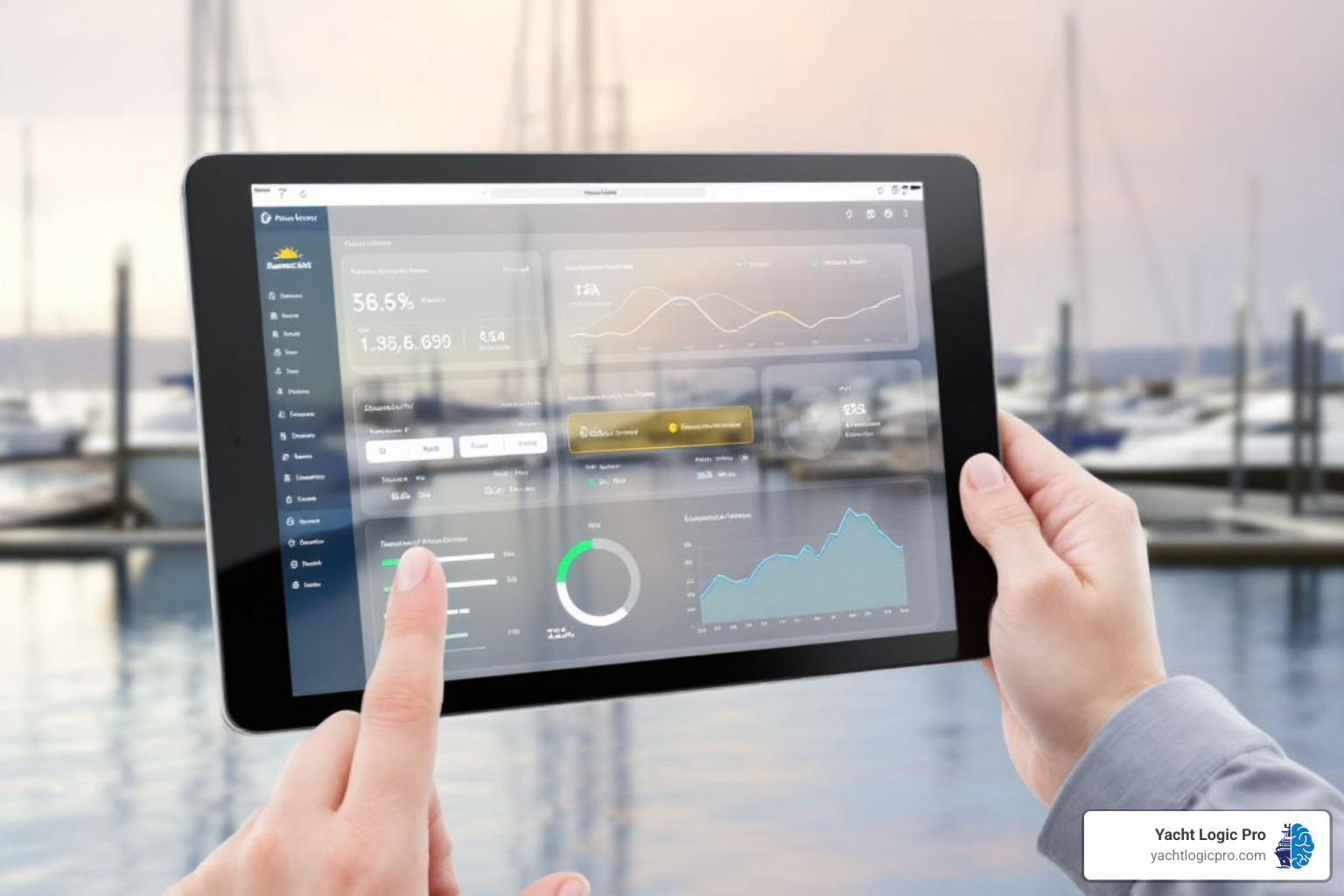
A boat management system is a digital platform that centralizes vessel operations, maintenance tracking, inventory management, and financial processes into one unified solution. These systems replace manual paperwork and disconnected tools with automated workflows, real-time monitoring, and data-driven insights.
Key benefits of a boat management system include:
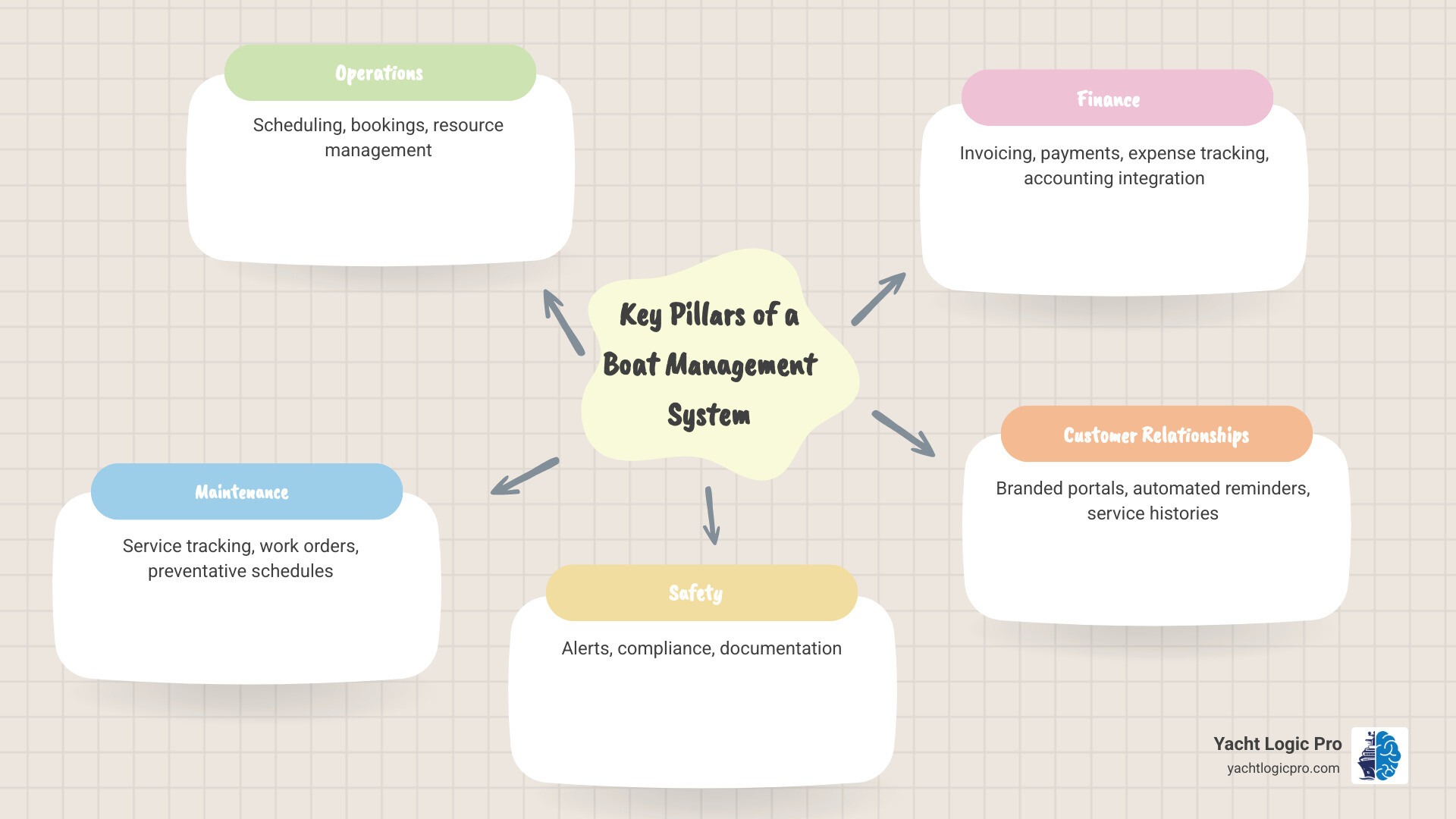
- Operational Efficiency – Automate recurring tasks like invoicing, maintenance scheduling, and booking management
- Revenue Protection – Eliminate unbilled labor and parts through systematic tracking and automated billing
- Real-Time Visibility – Monitor vessel systems, technician assignments, and inventory levels from anywhere
- Compliance Management – Store digital documentation and track safety drills, audits, and regulatory requirements
- Customer Experience – Provide branded portals, automated reminders, and transparent service histories
The marine industry has evolved dramatically from three-ring binders and paper logbooks to cloud-based platforms that deliver what one cruising couple called an end to their “three-ring binder nightmare.” Modern systems store manuals, warranties, service histories, and operational checklists in searchable digital formats accessible from any device. Traditional practices like paper logbooks are well documented in resources such as the Captain’s log, highlighting just how far vessel management has come.
For marine business owners and managers, these platforms address the core challenges that drain profitability: missed billable hours, inefficient technician dispatch, double bookings, and the inability to track inventory across multiple vessels or locations. As one marina manager noted, implementing a proper boat management system made their operation “feel more like an actual business rather than a mom-and-pop shop.”
I’m Kevin Kates, founder of Yacht Logic Pro, where I’ve helped yacht owners, captains, and marine service businesses implement strategic boat management systems that align maritime logistics with operational efficiency. My focus has always been on measurable results through streamlined processes and clear accountability.
The Core Components: What Makes a Modern Boat Management System?
At its heart, a modern boat management system is a centralized command center for everything related to your vessel or fleet. It’s designed to bring order to the often chaotic world of marine operations, acting as a single source of truth for all critical information. Imagine replacing stacks of paper, disparate spreadsheets, and endless sticky notes with a sleek, intuitive digital dashboard. That’s the power we’re talking about.
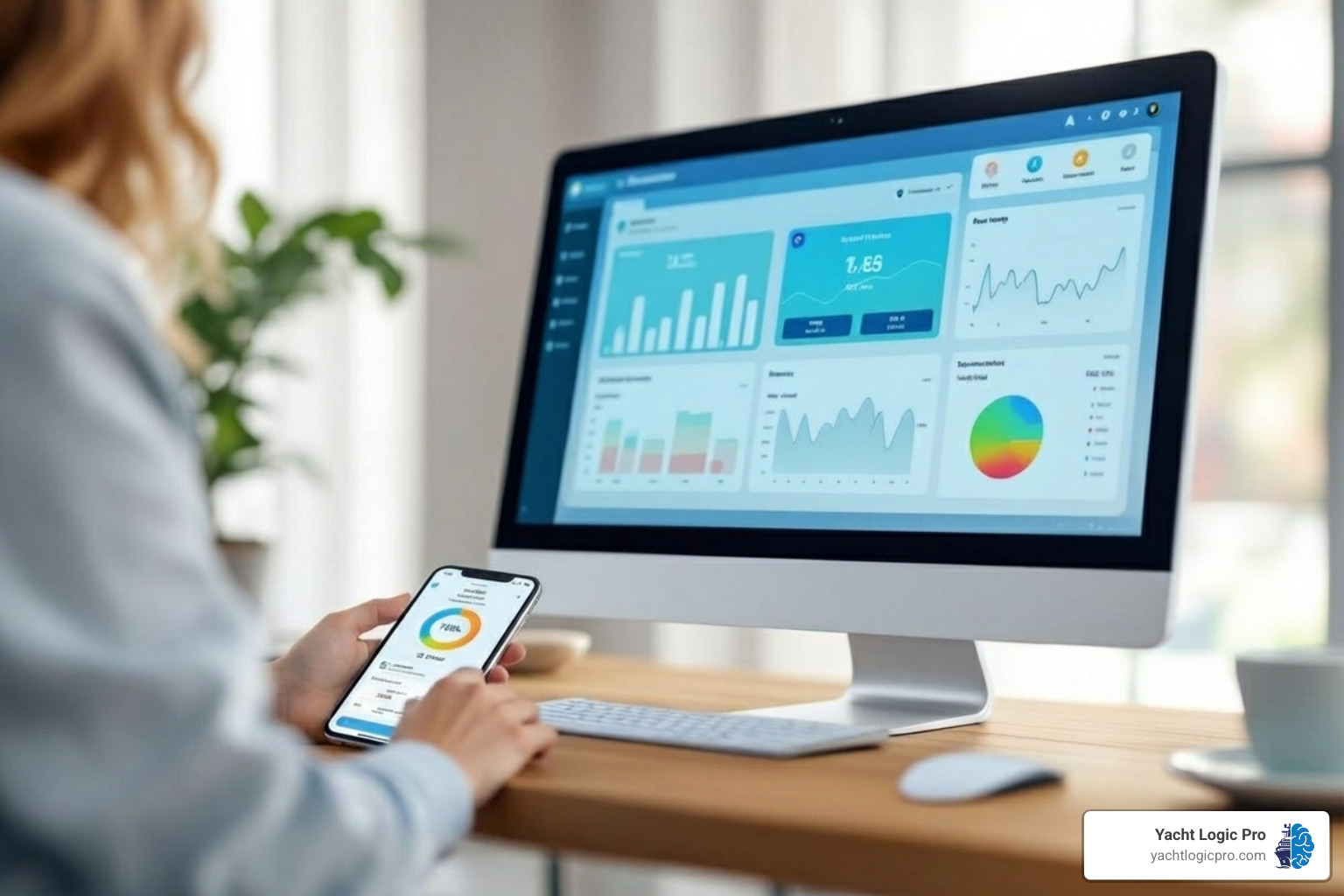
Core functionalities typically include digital logbooks, allowing for meticulous recording of journeys, events, and important observations. Task management features ensure that nothing falls through the cracks, whether it’s a routine check or a critical repair. And perhaps most importantly, integrated alerts and notifications keep you informed in real-time about everything from upcoming maintenance to potential issues. It’s about connecting your entire marine team, from the dock to the dashboard, ensuring everyone is on the same page. You can read more about how this connectivity transforms operations in our article, From Dock to Dashboard: How Yacht Logic Pro Connects Your Entire Marine Team.
Maintenance, Service, and Repair Management
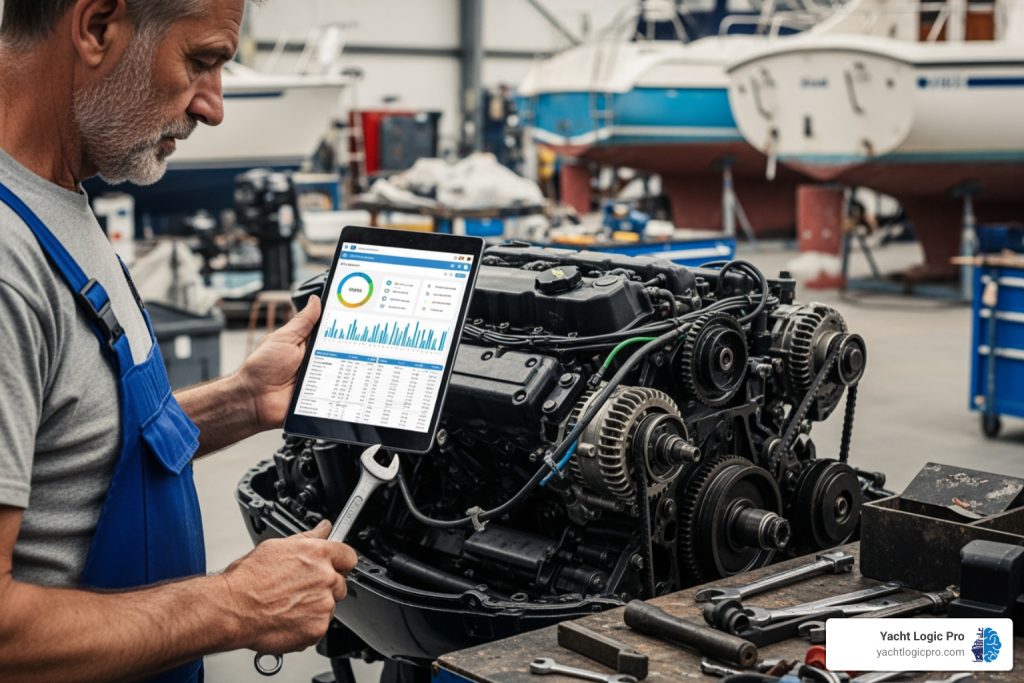
One of the most significant advantages of a comprehensive boat management system lies in its ability to revolutionize maintenance, service, and repair management. Gone are the days of guessing when the last oil change was, or rummaging through old invoices for service records.
Our systems allow us to implement robust preventative maintenance schedules, ensuring that routine tasks are never missed. Every service performed, every part replaced, and every inspection completed is carefully logged, creating an exhaustive service history. This detailed record-keeping isn’t just for peace of mind; it’s a powerful asset. As one boat owner noted, “The maintenance logs feature is fantastic. Having a complete service history of my yacht at my fingertips has already helped when discussing resale value.” We’ve found that having this data readily available can significantly increase a vessel’s market value.
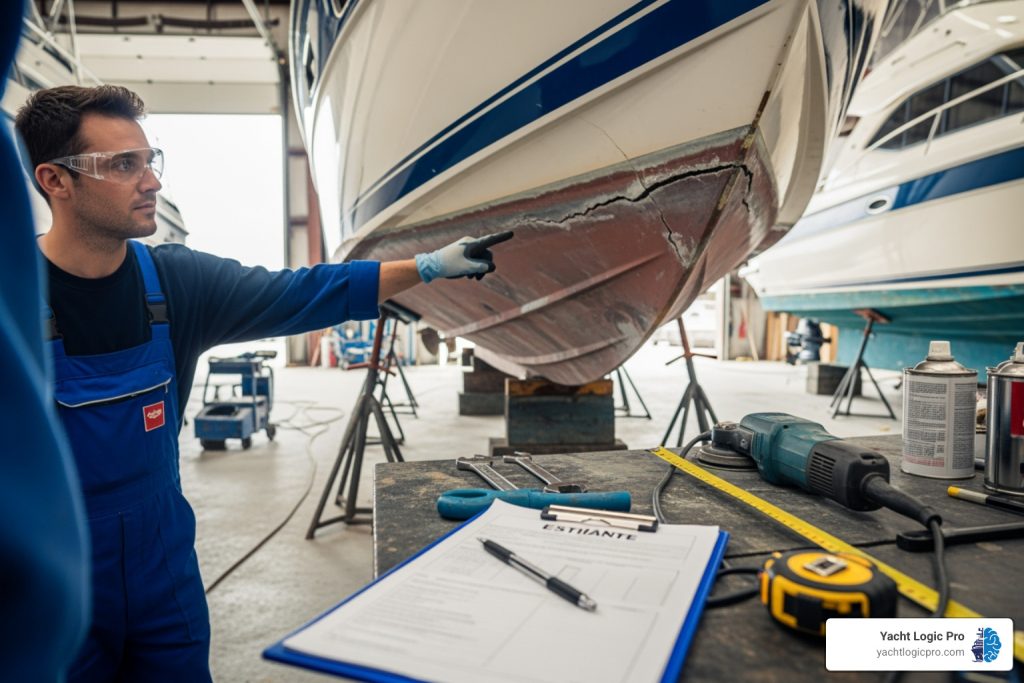
Furthermore, a good system simplifies the entire service workflow. We can easily create work orders, assign tasks to technicians, and track the progress of repairs in real-time. This level of organization not only boosts efficiency but also helps us avoid the hidden costs often associated with manual yacht maintenance tracking.
Inventory and Spares Tracking
For any vessel, whether it’s a small recreational boat or a large yacht, managing inventory and spare parts can be a daunting task. Where did we put that specific filter? Do we have enough spare impellers? A boat management system transforms this challenge into a streamlined process.
We can maintain digital inventory lists for every item on board, from essential safety gear to spare engine parts. This includes tracking quantities, suppliers, and even the exact location of each item. This level of detail is invaluable, as one boat owner shared, “The inventory management alone is worth the subscription. No more forgetting what spare parts we have on board or where they’re stored.”
Automated reordering alerts can be set up to notify us when stock levels are low, preventing last-minute rushes and potential delays. We also incorporate critical safety item checklists, ensuring that all necessary equipment is onboard and in good working order before departure. These checklists, like the ones we offer for pre-departure safety, are crucial for ensuring compliance and peace of mind. For example, our Yacht Logic Pro Pre-Departure Safety Checklist helps ensure all critical items are accounted for.
Financial and Revenue Management
Managing the financial aspects of boat ownership or a marine business can be complex, but a boat management system simplifies it significantly. We can automate recurring invoicing, ensuring that payments are sent out promptly and accurately. Online payment processing capabilities streamline revenue collection, making it easier for clients to pay and for us to track incoming funds.
Expense tracking becomes a breeze, allowing us to monitor every penny spent on maintenance, fuel, and supplies. Many systems offer seamless integration with leading accounting software, syncing financial data and eliminating manual data entry errors. This not only saves time but also provides a clear, real-time picture of profitability.
For marinas and rental businesses, these systems are game-changers. They facilitate efficient revenue collection, manage contracts, reservations, and reporting for space management. This financial oversight is critical for understanding business performance and driving growth. One of our goals is to help businesses maximize their revenue and improve operations through these integrated tools.
Open uping Efficiency and Value Across the Marine Industry
The adoption of a modern boat management system isn’t just about convenience; it’s a strategic move that open ups significant operational efficiency and adds substantial value across the entire marine industry. By automating tasks and centralizing data, we can maximize revenue, dramatically improve customer service, and make informed, data-driven decisions that propel our businesses forward. Indeed, we believe that Data-Driven Yacht Service is the Future of the Marine Industry. The impact can be profound, with some luxury yacht builders reporting a reduction in support calls by at least 30% after implementing such systems.
For Marinas, Boatyards, and Yacht Clubs
For marinas, boatyards, and yacht clubs, a boat management system acts as the backbone of daily operations. We can streamline slip and mooring management, ensuring optimal utilization of space and preventing frustrating double bookings that can lead to customer service headaches. Online reservation systems allow customers to book berths or services directly, providing convenience and reducing administrative burden.
The automation of service and repair workflows is another massive benefit. From the initial call to the final invoice, every step is tracked and managed digitally, improving communication and efficiency. Our article From First Call to Final Invoice: Streamlining the Yacht Service Workflow digs deeper into this transformative process. These systems help professionalize operations, moving away from a “mom-and-pop shop” feel to a sophisticated, customer-centric business model.
For Boat Owners and Fleet Managers
Whether you own a single vessel or manage a vast fleet, a boat management system offers unparalleled control and peace of mind. For fleet managers overseeing multiple vessels, centralized tracking and team collaboration features are a game-changer, saving hours every week. We can simplify maintenance coordination across all boats, ensuring that every vessel receives timely service and attention.
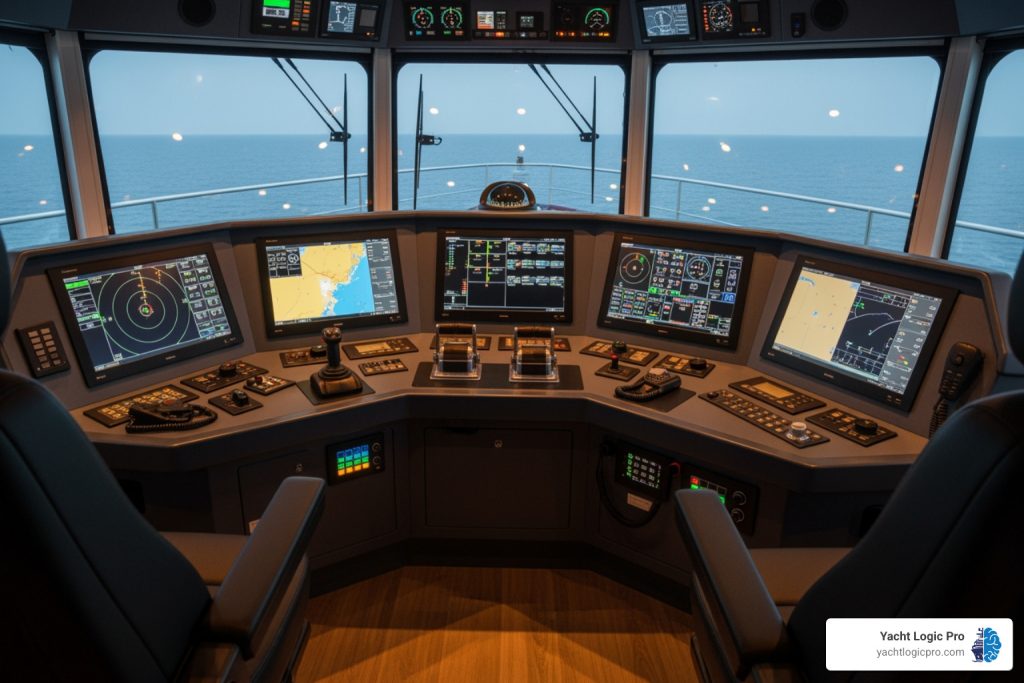
Remote monitoring capabilities provide real-time insights into engine performance, location, and critical system statuses, even when we’re away from the dock. Assignable tasks make it easy to delegate responsibilities to crew members, track their progress, and ensure accountability. For those managing substantial operations, our systems are designed to help boatyards scale without sacrificing quality, even when overseeing 12 or more vessels efficiently. How Yacht Logic Pro Helps Boatyards Scale Without Sacrificing Quality explores this in detail.
For Boat Rental and Charter Businesses
The boat rental and charter sector thrives on efficiency and customer experience. A boat management system provides the tools to automate online bookings, manage fleet availability calendars, and facilitate digital waiver signing, making the entire rental process smooth and hassle-free.
These systems are capable of processing millions in trips annually, handling high volumes with ease. They ensure optimized scheduling, preventing downtime and maximizing the potential of every vessel in the fleet. For more insights into how these systems can transform your rental business, check out Yacht Logic Pro’s next-gen boat rental features. By leveraging such technology, businesses can significantly boost bookings and improve customer satisfaction.
Types of Systems and The Technology Powering Them
The landscape of boat management systems is diverse, ranging from simple apps for individual owners to complex, enterprise-level solutions for large marine businesses. Fundamentally, these are software-centric systems, designed for scalability and custom to the unique needs of different user segments. We firmly believe that Tech That Works at Sea: Why Marine-Specific Software Beats Generic Tools Every Time.
Choosing the Right Boat Management System for Your Needs
Selecting the ideal boat management system depends heavily on your specific requirements and scale of operation. It’s not a one-size-fits-all solution, and what works for a solo sailor might not be suitable for a busy shipyard.
Here’s a breakdown of system types and their target users:
- For Individual Owners: Often feature-rich apps focusing on maintenance logs, document storage, trip tracking, and basic remote monitoring. These prioritize ease of use and personal organization.
- For Fleet Managers: Solutions with robust features for centralized vessel tracking, crew management, task assignment, and comprehensive maintenance scheduling across multiple boats.
- For Boat Builders: Systems that streamline the build and handover process, including digital documentation, warranty management, and customer onboarding platforms.
- For Rental Businesses: Platforms specializing in automated bookings, availability calendars, payment processing, and potentially hardware integration for digital key access.
- For Marine Service Professionals: Software designed for work order management, technician dispatch, inventory control, and financial syncing, optimizing the service workflow from start to finish.
To help you steer this choice, we’ve put together a comprehensive guide: What to Look For in Yacht Service Management Software: A Buyer’s Checklist.
The Role of Modern Technology
Modern technology is the engine driving the evolution of boat management systems. Artificial intelligence (AI) is playing an increasingly significant role, with AI-powered diagnostics capable of identifying engine issues, potentially even before a technician is called. Mobile apps for both iOS and Android platforms put the power of these systems directly into our pockets, offering accessibility and convenience from anywhere.
Telematics integration, which connects vessels to the internet, provides real-time data collection on everything from engine performance and battery voltage to GPS location. Some systems even incorporate global SIM cards, ensuring connectivity virtually anywhere in the world. This continuous flow of data is crucial for proactive management. We dig deeper into these advancements in The Technology Behind Yacht Logic Pro. Crucially, many modern systems also offer offline functionality, ensuring that data is stored locally and synced to the cloud once a connection is re-established, so we never miss a beat.
The Benefits of a Cloud-Based Boat Management System
The shift from traditional on-premise software to cloud-based solutions has been transformative across many industries, and marine management is no exception. Cloud-based boat management systems offer a host of advantages that significantly improve flexibility, security, and collaboration.
| Feature | Cloud-Based System | On-Premise System |
|---|---|---|
| Accessibility | Access from anywhere, any device with internet | Limited to specific computers/network |
| Data Backup | Automatic, off-site, redundant backups | Manual, relies on local IT, prone to human error |
| Maintenance | Handled by provider, no server upkeep for user | Requires dedicated IT staff/resources, server upkeep |
| Collaboration | Real-time syncing, easy team access | Can be complex to share and synchronize data remotely |
| Updates | Automatic, seamless software updates | Manual updates, often disruptive, requires IT staff |
| Cost Structure | Subscription-based, predictable OpEx | High upfront CapEx, ongoing maintenance costs |
| Scalability | Easily scale up or down as needs change | Requires hardware upgrades, more complex scaling |
The ability to access our data and manage operations from anywhere with an internet connection is invaluable. Whether we’re at home, in the office, or out on the water, our boat management system is always at our fingertips. This accessibility is coupled with automatic data backup, protecting our valuable information from loss. The provider handles all server maintenance, freeing us from IT headaches. Improved collaboration among team members and real-time syncing across all devices ensure that everyone is working with the most current information, fostering efficiency and reducing errors.
Enhancing Safety, Compliance, and Customer Relationships
Beyond the nuts and bolts of maintenance and finance, a truly comprehensive boat management system plays a pivotal role in enhancing safety, ensuring regulatory compliance, and building stronger customer relationships. It’s about proactive management, creating a secure environment for vessels, and fostering trust with clients who increasingly expect digital solutions. As we’ve highlighted, Your Yacht Clients Expect Digital: Is Your Service Business Ready?
Safety and Security for Your Vessel
The peace of mind that comes with knowing your vessel is safe and secure, even when you’re not physically on board, is priceless. Modern boat management systems offer advanced safety and security features that act as a vigilant guardian. We can receive real-time alerts for motion, intrusion, smoke, and even water ingress, ensuring that any potential threat or issue is immediately brought to our attention.
Geofencing capabilities allow us to set virtual boundaries, triggering an alert if the boat moves outside a designated area—perfect for keeping an eye on an anchored vessel or one in storage. Anchor alarms provide an extra layer of security, notifying us if the boat drifts. Remote system monitoring extends to critical parameters like battery status notifications, preventing unexpected power loss, and continuous GPS location tracking, so we always know where our vessel is. Our Yacht Logic Pro Real-Time Boat Monitoring System provides these essential features.
Facilitating Compliance and Regulatory Adherence
Navigating the complex world of maritime regulations can be a headache, but a boat management system simplifies compliance and regulatory adherence significantly. We can digitally store all essential documentation, from registration papers and insurance policies to safety certificates and crew licenses, making them easily accessible for inspections or audits.
Tracking safety drills and meetings becomes effortless, ensuring that all crew members are up-to-date on protocols. These systems streamline audits by providing quick access to all necessary records and key performance indicators (KPIs) for regulators. Custom forms can be created for various operational needs, standardizing procedures and ensuring all data is captured consistently. By centralizing compliance records, we can demonstrate adherence to regulations with confidence and ease.
Customer Relationship Management (CRM)
In today’s service-driven marine industry, customer satisfaction is paramount. A boat management system with integrated CRM functionalities helps us nurture client relationships and foster loyalty. We can automate service reminders, ensuring clients are prompted for routine maintenance or upcoming inspections, which not only keeps their vessels in top condition but also generates repeat business.
Branded communication portals allow for seamless and professional interaction with clients, providing them with updates, invoices, and access to their vessel’s service history. Maintaining detailed service records isn’t just good practice; it’s a way to build trust and transparency. As we explored in How to Create Repeat Business with Better Yacht Service Records, comprehensive records lead to informed decisions and happier clients. Furthermore, these systems can significantly improve the customer handover experience, especially for new builds, by providing digital manuals and orientation videos.
Frequently Asked Questions about Boat Management Systems
What is the difference between a boat monitoring app and a full management system?
This is a great question we hear often! Think of it this way: a boat monitoring app is like having a really smart set of gauges on your dashboard that you can check from your phone. It focuses on real-time data such as your boat’s location, battery voltage, bilge pump activity, or engine hours. It gives you immediate alerts if something is amiss.
A full boat management system, on the other hand, is the whole command bridge. It integrates all those monitoring capabilities with a much broader suite of operational tools. This includes comprehensive maintenance scheduling, inventory tracking for spare parts, financial management (invoicing, payments, expense tracking), and even crew or customer management. It’s designed to be a complete business solution, unifying all aspects of your marine operations, not just the real-time status.
How much do these systems typically cost?
The pricing for boat management software can vary significantly, much like boats themselves! You’ll find a spectrum of options. Some basic apps for individual boat owners might offer a free tier with limited features, with premium functionalities available through monthly or annual subscriptions (e.g., 19 to 99 euros per license, billed yearly, for more advanced personal use).
For comprehensive business systems designed for marinas, boatyards, or large fleets, pricing models are often custom. They might be based on the size of your operation, such as the number of boats you manage, the number of users, or the volume of transactions. These usually involve a monthly or annual subscription fee, which covers software access, updates, and support. While the initial investment might seem like a cost, we find that the efficiencies gained and revenue protected often lead to a significant return on investment.
Can I integrate a system with my existing boat hardware?
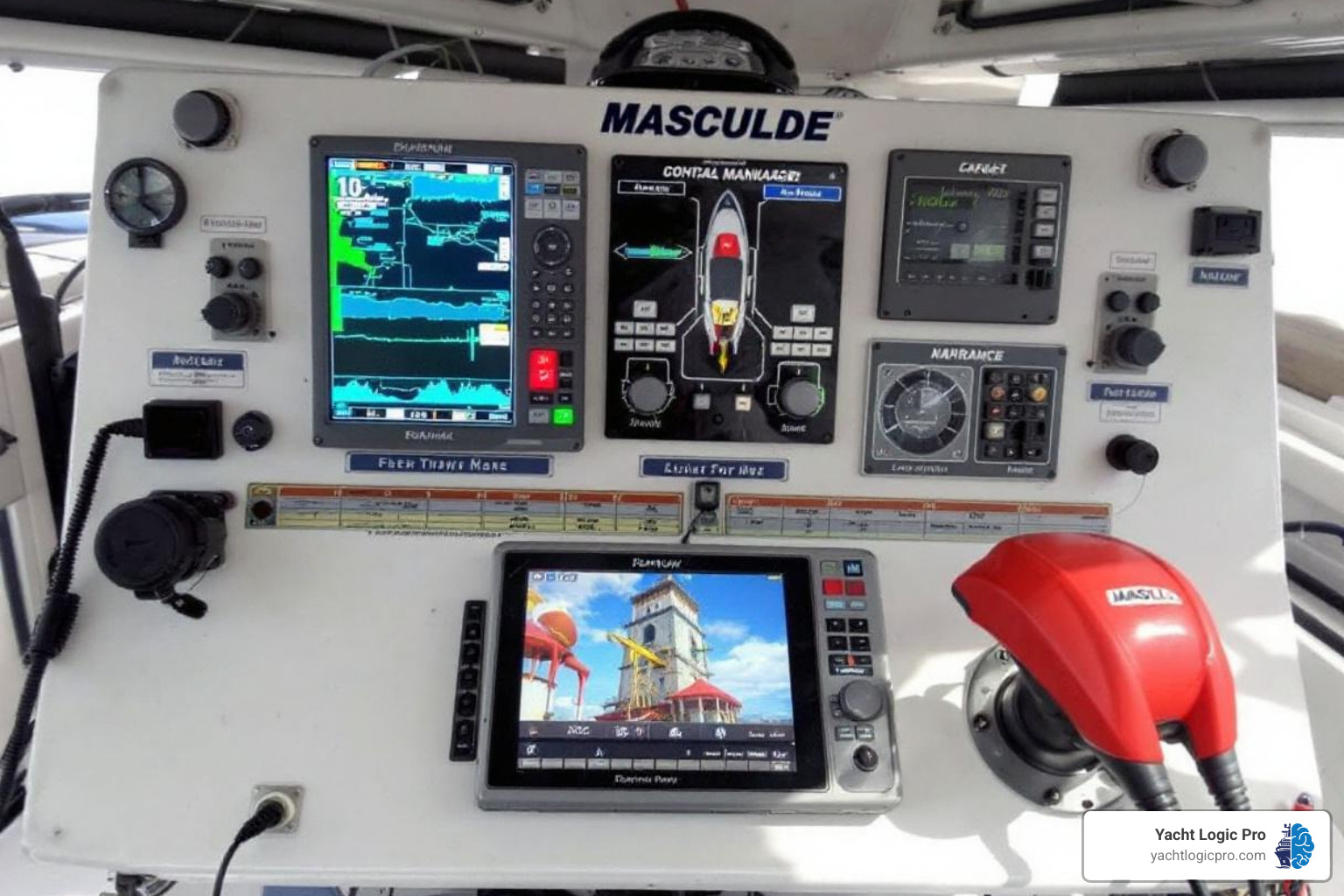
Absolutely, and this is a crucial capability for any modern boat management system. Many contemporary systems are specifically designed for seamless integration with existing boat hardware. They connect with industry-standard marine networks, most notably NMEA 2000, which allows them to pull data directly from your engines, GPS, depth sounders, and a multitude of other sensors.
For example, a system can tap into your NMEA 2000 network to display engine RPM, fuel levels, battery voltage, and even control certain onboard systems. Look for systems that support open data standards like Signal K, which is an open marine data platform, for maximum compatibility and future-proofing. Some providers also offer specialized hardware hubs or gateways that act as a bridge between your boat’s systems and the cloud-based management software, ensuring that your vessel’s intelligence is fully integrated and accessible.
Conclusion: Charting a Course for a Smarter Future
It’s clear that the future of marine operations is digital, and a comprehensive boat management system is no longer a luxury but a necessity for anyone serious about efficient, safe, and profitable boating. From the solo sailor carefully tracking their adventures to the largest boatyards managing complex service schedules and vast fleets, these platforms offer unparalleled efficiency, safety, and control.
By unifying disparate data sources and automating critical workflows, all-in-one solutions like Yacht Logic Pro empower marine businesses to thrive in an increasingly connected world. We can leverage insights from maintenance logs, financial reports, and real-time monitoring to make smarter decisions, improve customer satisfaction, and ensure compliance. This data-driven approach, combined with the power of AI and cloud technology, not only streamlines current operations but also paves the way for future innovations, such as more predictive maintenance and advanced operational analytics. Take control of your vessel or business today, and chart a course for a smarter, more successful future on the water.