
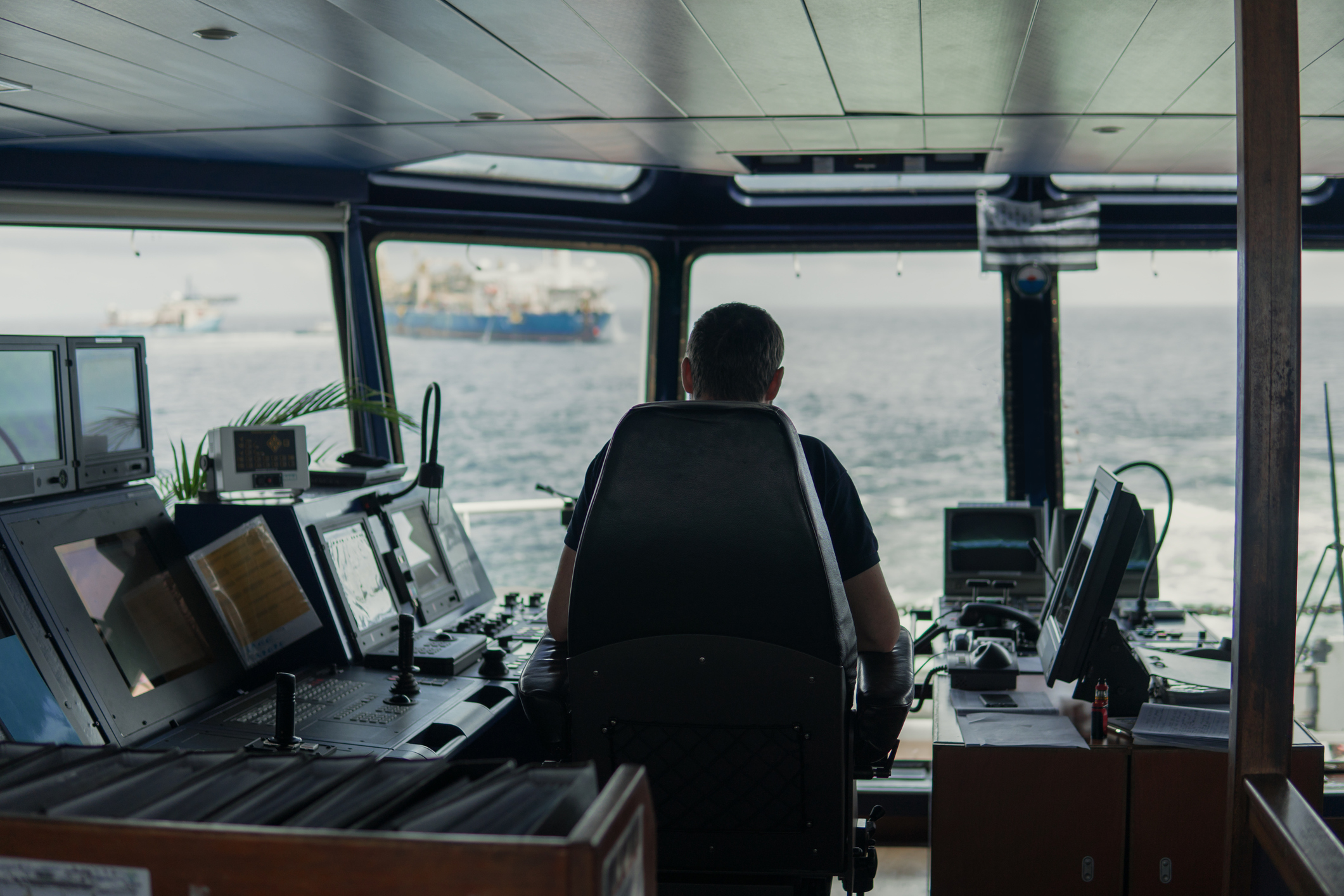
Navigating the expansive waters with confidence hinges on the integration of advanced yacht electronics and marine management software. This article serves as a comprehensive guide for yacht owners aiming to enhance their marine experience in 2026.
By delving into the latest technologies, readers will discover how these systems improve navigation, operational efficiency, and overall boating safety. As marine electronics become increasingly complex, understanding their functionalities and benefits can help owners make informed decisions.
The objective is to explore the critical advantages of modern yacht electronics, the integration of navigation technology with management software, and how automation can significantly enhance service efficiency.
What Are the Key Benefits of Marine Electronics Systems for Yacht Owners?
Marine electronics systems provide significant advantages for yacht owners, revolutionizing their nautical experience. These benefits not only enhance navigation precision but also improve overall safety and operational efficiency. Modern yacht electronics integrate cutting-edge GPS systems and communication tools, allowing for real-time data tracking that can avert potential hazards. Furthermore, they feature advanced safety enhancements, such as collision avoidance systems and weather monitoring, which contribute to safer voyages.
Notably, the automation of routine tasks yields substantial time savings and cost efficiencies for yacht owners. By streamlining service scheduling and maintenance tracking, a marine service automation system empowers yacht owners to take proactive measures towards their vessel’s upkeep. This not only reduces operational interruptions but also prolongs the lifespan of the yacht.
How Do Marine Electronics Enhance Yacht Navigation Technology?
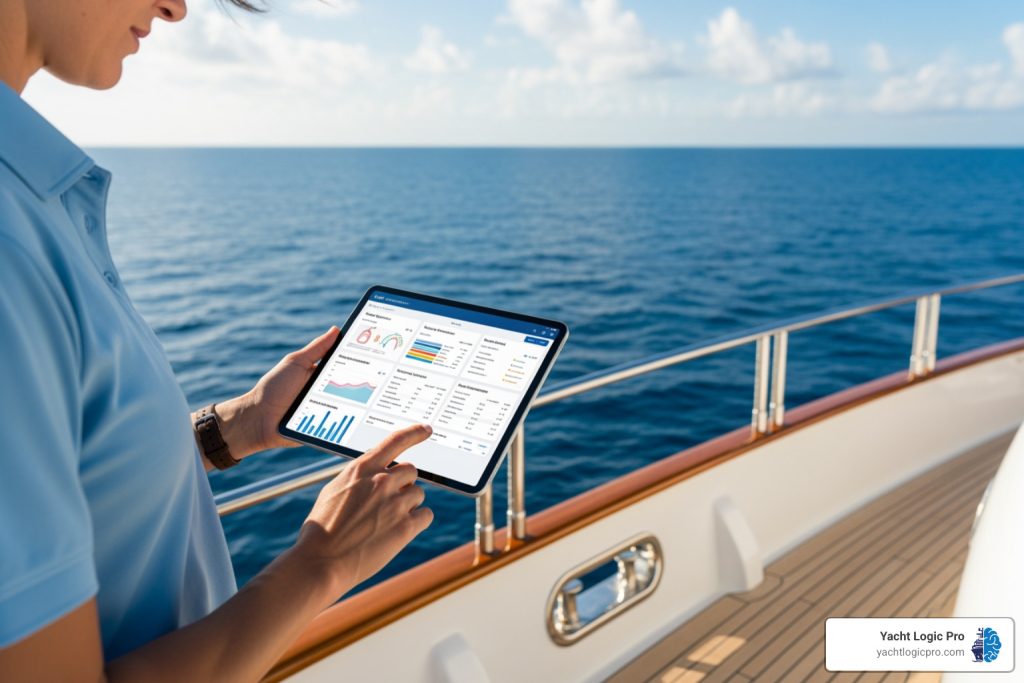
Marine electronics enhance navigation technology through the integration of sophisticated GPS systems and advanced data analysis tools. They provide precise location tracking, essential for safe and efficient navigation. Features like chart plotting, waypoint routing, and real-time weather updates significantly improve decision-making while at sea.
For instance, modern GPS systems can connect to cloud-based platforms, offering yacht owners access to up-to-date navigational data. This ensures they are always informed of changing conditions and potential obstacles in their path. Additionally, automated alerts for unsafe weather patterns help captains react swiftly, enhancing onboard safety measures.
In What Ways Does Marine Service Automation Improve Operational Efficiency?
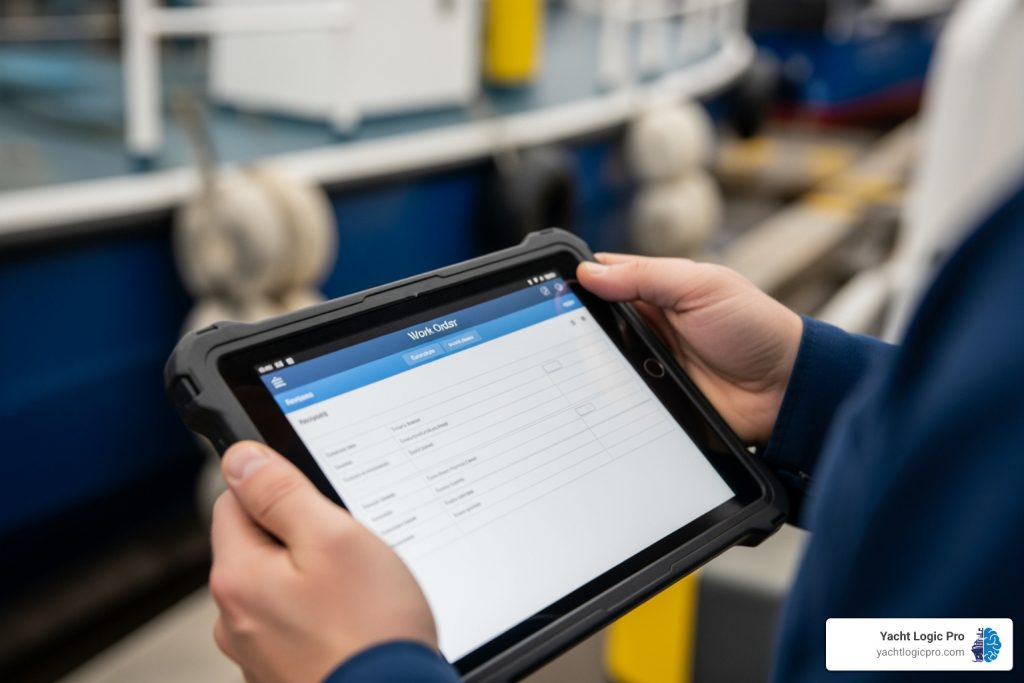
Marine service automation increases operational efficiency by reducing human intervention in routine management tasks. Automation can handle aspects like scheduling maintenance, tracking equipment performance, and coordinating repair services. This translates to significant cost reductions, as automation minimizes the risk of scheduling errors and extends equipment life by ensuring timely attention to maintenance.
For yacht businesses, adopting service automation solutions means improved service efficiency and customer satisfaction. Real-time reporting facilitates transparency, allowing yacht owners to stay informed about their vessel’s status at all times. With a streamlined approach to marine service management, automation empowers owners to focus more on enjoying their time on the water rather than on the logistics of maintenance.
How Does Yacht Navigation Technology Integrate with Modern Boat Management Software?
The integration of yacht navigation technology with modern boat management software creates a seamless experience for boat owners. This synergy allows for the effective management of various operational aspects, such as asset tracking, service scheduling, and communication with crew members. By connecting navigation systems to management platforms, owners can monitor performance metrics and receive optimization suggestions driven by accumulated operational data.
Additionally, effective integration enhances the overall user experience by offering customizable dashboards that consolidate all critical information into a singular view. This overview aids in deploying resources more effectively and ensures that yacht operations run smoothly.
What Are the Essential Features of Yacht Maintenance Software in 2026?
In 2026, yacht maintenance software must possess several essential features to optimize maintenance management for yacht owners. Key functionalities include:
- Comprehensive Maintenance Management: The software should integrate tracking systems for maintenance schedules and service histories, ensuring timely servicing of key components.
- Automated Scheduling: By automating scheduling based on usage patterns and seasonal requirements, yacht owners can preemptively address potential repair needs before they escalate.
- Real-Time Reporting: Instant access to reporting tools enables yacht owners to review operational efficiency, maintenance costs, and service intervals, making informed decisions more accessible.
These features facilitate efficient yacht management, enhancing overall performance while minimizing downtime.
How Can Integration of Marine Electronics and Software Optimize Workflow Automation?
The convergence of marine electronics and management software significantly optimizes workflow automation. By automating data exchanges between essential systems, such as engine diagnostics tools and maintenance software, yacht owners can benefit from streamlined operations. This integration leads to data-driven insights that enable proactive maintenance and increase reliability.
Moreover, with automated alerts and notifications, crew members can address issues as they arise, preventing minor concerns from escalating into major incidents. This emphasizes the importance of continuous monitoring and agile responsiveness in modern yacht management.
Which Marine Service Automation Solutions Deliver the Best ROI for Yacht Businesses?
When selecting marine service automation solutions, businesses must assess their potential return on investment (ROI). Effective solutions improve service efficiency, reduce operational costs, and enhance customer satisfaction, which ultimately contributes to increased profitability.
One category of automation tools that showcases high ROI is those that integrate financial tracking systems. These tools allow yacht businesses to manage budgets and expenditures effectively, improving financial oversight and operational decision-making.
How Does Automation Reduce Errors and Cut Operating Costs?
Automation significantly reduces errors inherent in manual processes, such as service scheduling and maintenance tracking. Implementing automated systems minimizes the likelihood of human mistakes, which can lead to costly disruptions or misallocation of resources.
Research indicates that companies utilizing advanced automation report a reduction in operating costs, resulting from both errors avoided and improved efficiency in service delivery. By employing real-time data analytics, automated systems can optimize resource allocation and highlight inefficiencies, driving down costs further.
What Real-Time Reporting Features Support Proactive Yacht Maintenance?
Real-time reporting features are crucial for supporting proactive maintenance strategies. Effective marine service software includes dashboards that provide instant feedback on equipment health, usage patterns, and service requirements. This data allows yacht owners to implement preventative measures before issues develop into major complications.
Additionally, the ability to track inventory levels in real time assists businesses in managing stock more efficiently, reducing overstock and ensuring that essential parts are always on hand when needed. Through proactive measures, maintainers can extend the lifespan of their assets significantly.
What Are the Latest Trends and Compliance Standards in Yacht Electronics for 2026?
In 2026, yacht electronics are increasingly influenced by emerging technologies and compliance standards aimed at enhancing safety and efficiency. Current trends emphasize the integration of Artificial Intelligence (AI) in predictive maintenance systems, allowing for timely interventions based on data analytics.
Additionally, yacht owners must be aware of compliance regulations regarding environmental standards and safety protocols. These regulations are shaping the development of new technologies and driving innovations in marine electronics.
How Do Regulatory Changes Impact Marine Electronics and Software Integration?
Regulatory changes significantly influence the features and functionalities required in marine electronics and their software integrations. Compliance mandates necessitate more robust and reliable systems designed to meet stringent safety standards. This often leads to the adoption of sophisticated analytics tools that enhance compliance tracking and reporting.
Yacht owners must stay informed on evolving regulations to ensure that their systems not only remain compliant but also leverage advancements that enhance operational efficiency. Technologies that can adapt and integrate with evolving regulatory requirements are becoming increasingly valuable.
What Advances Are Driving AI-Assisted Maintenance Prediction?
Advances in AI are rapidly transforming maintenance prediction capabilities in marine electronics. AI-assisted technologies enable predictive analytics by processing vast amounts of data collected from sensors and diagnostics tools. This data drives insights into when maintenance should be performed, based on actual vessel usage and performance metrics.
Such predictive maintenance solutions foster a shift from reactive to proactive service models, allowing yacht owners to mitigate potential issues before they impact operations. The application of AI in this manner ultimately leads to reduced downtime and increased reliability of yacht performance.
How to Choose the Right Marine Electronics and Yacht Maintenance Software?
Selecting the right marine electronics and yacht maintenance software requires a strategic approach. Yacht owners should consider key factors, such as ease of use, integration capabilities, and the specific needs of their operations.
What Should Business Owners Look for in Marine Service Management Platforms?
When evaluating marine service management platforms, business owners must prioritize features that enhance efficiency and usability. Look for platforms that offer:
- User-Friendly Design: Intuitive interfaces that facilitate easy navigation and operation.
- Comprehensive Feature Set: A robust collection of functions encompassing maintenance tracking, service scheduling, and financial management.
- Scalability: The ability to adapt and grow with changing business demands.
These characteristics ensure that the software remains relevant and beneficial as operational needs evolve over time.
How to Evaluate Software Features for Scheduling, Asset Tracking, and Customer Management?
Evaluating software features should involve a thorough analysis of critical components such as scheduling automation, asset tracking accuracy, and customer management functionalities.
- Technical Capabilities: Assess the technical architecture of the software to ensure it can handle complex workloads and data integration effectively.
- Cost-Effectiveness: Consider potential returns on investment; the software should optimize operations while aligning with budgetary constraints.
- Customer Support Availability: Reliable customer support is vital for resolving operational challenges and maintaining business continuity.
Conducting thorough due diligence will help yacht owners select the most suitable software for their specific operational demands.
Where Can Yacht Owners Access Reliable Support and Demonstrations of Marine Service Software?
Yacht owners can access reliable support and demonstrations of marine service software through various platforms and resources. Many solution providers offer trial periods and detailed product demonstrations to highlight key functionalities.
How Does Pilot-Free Onboarding Simplify Software Adoption?
Pilot-free onboarding enhances software adoption by providing a streamlined entry for new users. Automated training resources and centralized documentation make it easier for crew members to acclimate to the new systems without extensive hand-holding.
This self-sufficient approach reduces training time and accelerates productivity. By allowing users to focus on utilizing the software effectively, the adoption process becomes more efficient and less disruptive.
What Client Success Stories Demonstrate Efficiency Gains?
Numerous case studies exist that illustrate the operational efficiency gains achieved through the implementation of advanced marine service software. These successes highlight how integrating automation solutions reduces operational costs, enhances customer satisfaction, and ultimately leads to greater profitability for marine businesses.
The benefits reaped from adopting such innovative technologies indicate a promising future for yacht operations as they continue to evolve in sync with technological advancements.
| Feature | Description | Value |
|---|---|---|
| Comprehensive Maintenance Management | Track schedules and service histories | Prevents equipment failure |
| Automated Scheduling | Reduce manual errors and ensure timely maintenance | Enhances reliability |
| Real-Time Reporting | Access to performance metrics | Enables proactive management |