

Why QuickBooks Alone Falls Short for Boat Repair Shops: Essential Marine Management Software Insights
For boat repair shops, managing operations efficiently is crucial to success. While QuickBooks is a popular choice for financial management, it often falls short in addressing the unique needs of marine service operations. This article explores the limitations of QuickBooks, the essential features that specialized marine management software should offer, and how Yacht Logic Pro can enhance operational efficiency. By understanding these aspects, boat repair shops can make informed decisions about their software needs, ultimately leading to improved service delivery and customer satisfaction.
What Are the Limitations of QuickBooks in Marine Service Operations?
QuickBooks, while effective for general accounting, presents several limitations for marine service operations. One major challenge is its inventory management capabilities, which are not tailored for the specific needs of boat repair shops. This can lead to difficulties in tracking marine parts and supplies, resulting in inefficiencies and potential delays in service. Additionally, job tracking within QuickBooks can be cumbersome, making it hard to manage multiple repair projects simultaneously. Lastly, customer relationship management features are limited, hindering effective communication and follow-up with clients.
Why QuickBooks Lacks Marine-Specific Scheduling and Inventory Features
QuickBooks does not provide the specialized scheduling and inventory features that marine service businesses require. For instance, marine repair shops often need to manage complex maintenance schedules that vary by boat type and service requirements. QuickBooks lacks the ability to customize these schedules effectively. Furthermore, inventory management for marine parts is critical, yet QuickBooks does not offer the granularity needed to track specific components, leading to potential stockouts or overstock situations. This lack of tailored functionality can significantly impact operational efficiency.
How QuickBooks Fails to Integrate Operational and Financial Workflows
Another significant limitation of QuickBooks is its inability to seamlessly integrate operational and financial workflows. Many marine service businesses operate with scattered records, which can lead to scheduling conflicts and inaccurate quoting. For example, if a job is delayed, the financial implications may not be immediately reflected in QuickBooks, causing discrepancies in cash flow management. This disjointed approach can create confusion and inefficiencies, ultimately affecting the bottom line.
Which Features Should Marine Management Software Offer Beyond QuickBooks?
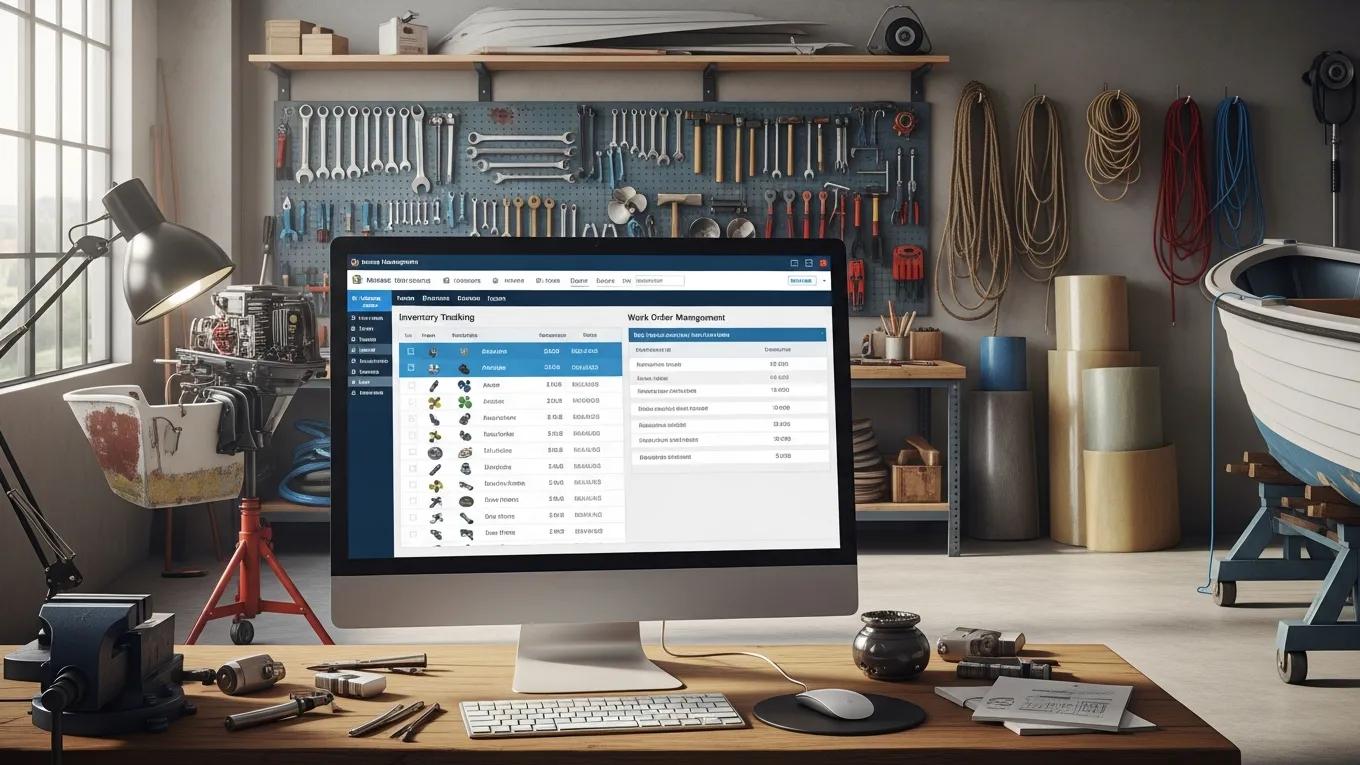
To effectively support marine service operations, specialized marine management software should include several key features that QuickBooks lacks. These features include:
- Integrated Inventory Tracking: A system that allows for real-time tracking of marine parts and supplies, ensuring that businesses can manage stock levels effectively.
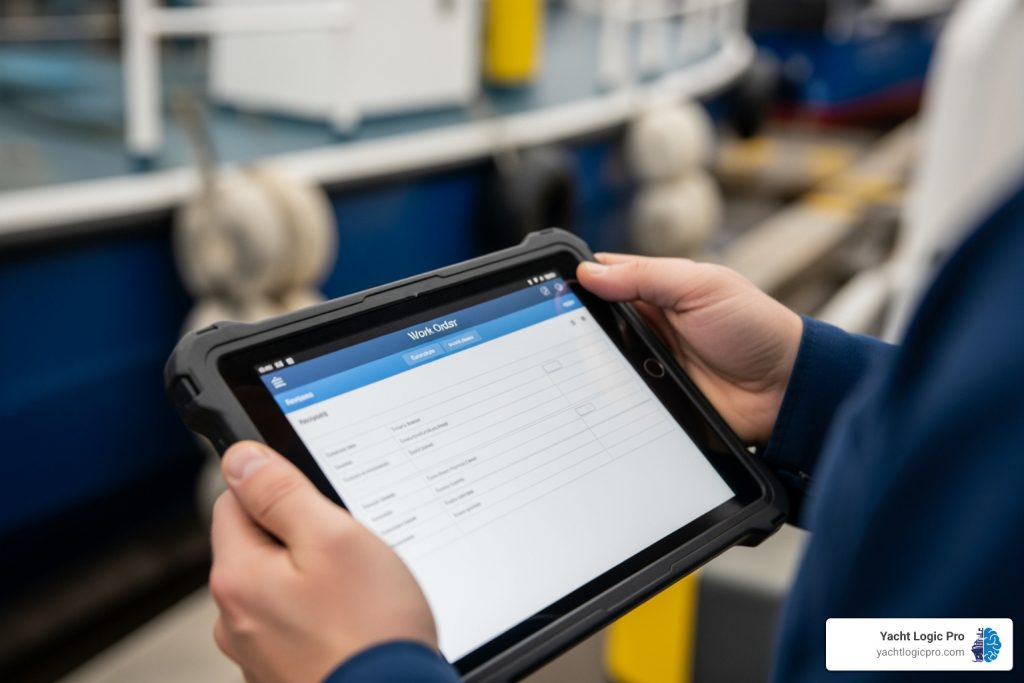
- Comprehensive Work Order Management: Tools that facilitate the creation, tracking, and completion of work orders, tailored to the unique needs of boat repair.
- Customer Relationship Management Tools: Features that enhance communication with clients, including automated follow-ups and service reminders.
Key Functionalities: Job Scheduling, Inventory Tracking, and Customer Management
Effective job scheduling is crucial for marine service operations, allowing businesses to allocate resources efficiently and meet customer demands. Additionally, real-time inventory tracking ensures that marine parts are available when needed, reducing downtime. Centralized customer management helps maintain strong relationships with clients, fostering loyalty and repeat business. These functionalities are essential for optimizing operations and enhancing service delivery in boat repair shops.
Benefits of Integrated Invoicing and Reporting for Boat Repair Shops
Integrated invoicing and reporting systems provide significant advantages for boat repair shops. With instant invoicing capabilities, businesses can streamline their billing processes, reducing the time spent on administrative tasks. Real-time financial visibility allows for better cash flow management, enabling shops to make informed decisions quickly. Furthermore, accurate job costing ensures that businesses can assess profitability on a per-job basis, leading to improved financial performance.
How Does Yacht Logic Pro Enhance Boat Repair Shop Efficiency Compared to QuickBooks?

Yacht Logic Pro offers a range of features specifically designed to enhance the efficiency of boat repair shops compared to QuickBooks. Its industry-specific design allows for comprehensive job and parts management, ensuring that all aspects of a repair project are tracked effectively. Additionally, real-time geo-tracking capabilities enable businesses to monitor technician locations and optimize service routes, further improving operational efficiency. This tailored approach helps marine service businesses operate more smoothly and effectively.
Operational Improvements Through Industry-Specific Software Solutions
Specialized software solutions like Yacht Logic Pro provide operational improvements that generic software cannot match. An integrated dashboard offers a holistic view of business operations, allowing for better decision-making. Mobile apps for technicians facilitate communication and updates in real-time, ensuring that everyone is on the same page. Cloud-based access allows for flexibility and remote management, which is increasingly important in today’s fast-paced business environment.
The importance of cloud-based solutions in maritime management has been further emphasized by research highlighting their role in efficient fleet operations.
Cloud-Based Maritime Fleet Management Software for Operations
Maritime fleet management software as a tool of Information Technology (IT) enables people to accomplish a series of specific tasks in the management of any or all aspects relating to a company’s fleet of ships. Based on examples it can be explained importance of cloud-based maritime fleet management software solution which is presented in this paper.
Importance of cloud-based maritime fleet management software, 2013
Real-World Benefits: Cost Savings and Profit Growth for Marine Businesses
Implementing specialized marine management software can lead to significant cost savings and profit growth for marine businesses. By streamlining operations and improving efficiency, businesses can reduce overhead costs and increase service capacity. Additionally, enhanced customer management leads to higher satisfaction rates, resulting in repeat business and referrals. These factors contribute to a healthier bottom line and long-term sustainability for boat repair shops.
What Are the Best Practices for Transitioning from QuickBooks to Specialized Marine Software?
Transitioning from QuickBooks to specialized marine management software requires careful planning and execution. Best practices include:
- Define Goals: Clearly outline what you hope to achieve with the new software, such as improved efficiency or better customer management.
- Utilize Free Trials: Take advantage of free trials to assess the software’s fit for your business needs before committing.
- Data Migration Planning: Ensure that all relevant data is accurately transferred to the new system to avoid disruptions.
Step-by-Step Onboarding and Implementation Strategies
Successful onboarding and implementation of new software involve several key steps:
- Staff Training: Provide comprehensive training for all staff members to ensure they are comfortable using the new system.
- Phased Rollout: Consider a phased approach to implementation, allowing for adjustments based on initial feedback.
- Measure Success: Establish metrics to evaluate the effectiveness of the new software and make necessary adjustments.
How to Leverage Demos and Trials to Ensure Smooth Adoption
Leveraging demos and trials is essential for ensuring a smooth adoption of new software. By defining specific goals for what you want to achieve during the trial period, you can better assess the software’s capabilities. Additionally, utilizing free trials allows you to explore the software’s features in a real-world context, ensuring it meets your operational needs. Proper planning and evaluation during this phase can significantly enhance the transition experience.