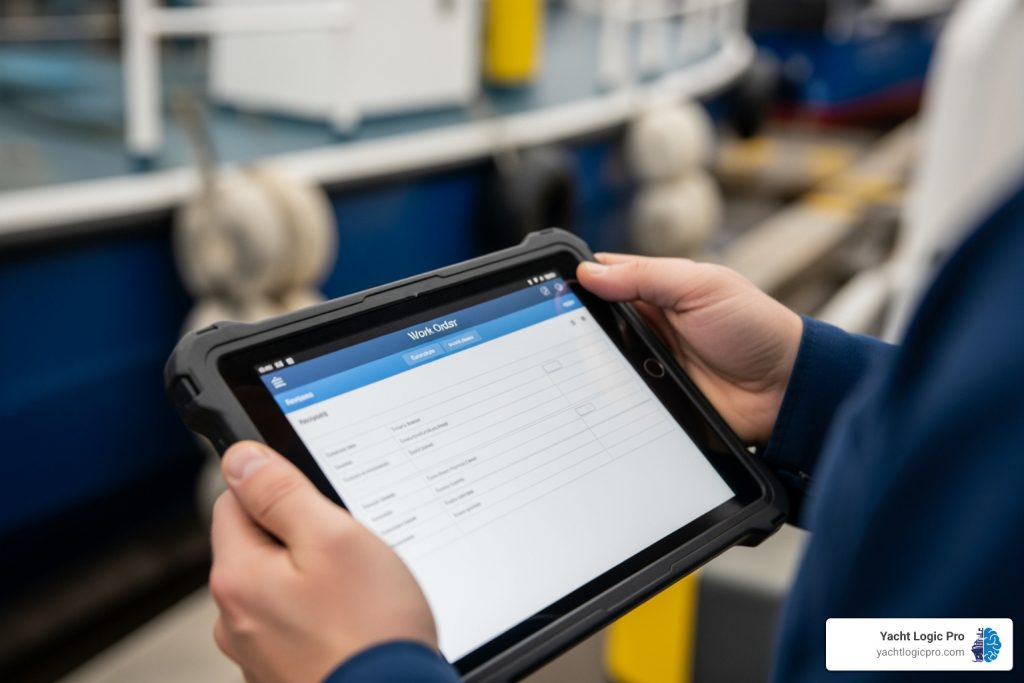


Why Real-time Vessel Data Matters for Marine Operations
Real-time vessel data provides live information about a vessel’s position, speed, destination, and other critical details, transmitted primarily through the Automatic Identification System (AIS). Here’s what you need to know:
Core Data Types Available:
- Position Data – Latitude, longitude, speed over ground (SOG), course over ground (COG)
- Vessel Identification – MMSI number, IMO number, vessel name, call sign
- Static Information – Dimensions, vessel type, cargo capacity
- Voyage Details – Destination, estimated time of arrival (ETA), draft, navigational status
How to Access Real-time Vessel Data:
- Free Tracking Platforms – Basic position data through web-based ship trackers
- API Services – Direct data feeds from providers like Spire Maritime, Kpler, or VesselFinder
- Integrated Software – Marine management platforms with built-in tracking capabilities
- Community Networks – Crowdsourced AIS data from platforms like AIS Fleet
The maritime industry runs on information, but many businesses still rely on fragmented systems and outdated data. Real-time vessel data changes this. With millions of AIS messages processed daily and satellite constellations detecting over 600,000 vessels, tracking with sub-minute latency is a reality. Providers like Spire Maritime offer data dating back to 2010, while platforms aggregate information from over 170,000 vessels.
This isn’t just about location; it’s about predictive ETAs that optimize port operations, situational awareness that prevents collisions, and supply chain visibility that eliminates costly delays. For marine service businesses, real-time vessel data transforms guesswork into actionable intelligence.
I’m Kevin Kates, founder of Yacht Logic Pro, and throughout my career in yacht management and maritime operations, I’ve seen how real-time vessel data transforms scheduling, maintenance planning, and client communication from reactive scrambling to proactive coordination. The difference between waiting for a vessel to arrive and knowing exactly when it will dock can mean the difference between profitability and lost revenue.
Opening up the Power of Real-time Vessel Data
Understanding real-time vessel data begins with knowing what it is, where it originates, and the technology that makes it accessible. It’s a digital lifeline for the maritime industry, offering unprecedented transparency and control.
Key Types of Real-time Vessel Data
Real-time vessel data is a rich mix of information that paints a comprehensive picture of a vessel’s identity, journey, and operational status. It’s a dynamic stream of insights for smarter decisions.
At its core, the data includes:
- Vessel Positions: Latitude and longitude coordinates showing a vessel’s exact location at any given moment.
- Vessel Particulars: Static details identifying the vessel, such as its MMSI and IMO numbers, name, call sign, length, width, and type. Databases can offer over 600 fields of information, providing a granular view of Vessel Characteristics.
- Voyage Information: The vessel’s declared destination, Estimated Time of Arrival (ETA), and current draft, which is crucial for port access and safe navigation.
- Dynamic Data: Real-time updates on a vessel’s speed over ground (SOG), course over ground (COG), and rate of turn (ROT), vital for understanding its immediate trajectory.
- Navigational Status: The vessel’s current operational state, such as ‘Under way using engine,’ ‘At anchor,’ or ‘Moored,’ providing critical context to its movements.
Together, these data types offer an unparalleled level of detail, turning simple tracking into powerful operational intelligence.
Primary Data Sources: AIS and Beyond
The backbone of real-time vessel data is the Automatic Identification System (AIS), which mandates that most commercial vessels carry an AIS transponder. It’s powered by a combination of technologies:
- Terrestrial AIS (T-AIS): A network of shore-based stations that pick up AIS signals within VHF radio range (typically up to 50 nautical miles), providing frequent and accurate updates in coastal areas.
- Satellite AIS (S-AIS): Low Earth Orbit (LEO) satellites with AIS receivers collect signals from vessels in the open ocean, beyond the reach of terrestrial stations. This ensures global tracking capabilities, with providers like Spire Maritime tracking over 600,000 vessels daily.
- Improved Satellite AIS: Advanced processing, like Spire Maritime’s Enhanced Satellite AIS, fills data gaps in high-traffic zones where signals can overwhelm standard receivers.
- Long-Range Identification and Tracking (LRIT): A mandatory international system for certain vessels, providing position reports at least every six hours, primarily for government security and safety use.
- Vessel Monitoring Systems (VMS): Used mainly in the fishing industry, VMS units transmit a vessel’s position via satellite, typically hourly, to monitor fishing activity.
- Community-driven data and Crowdsourcing: Enthusiasts and organizations contribute data through platforms like AIS Fleet, aggregating real-time AIS from a global network of stations. This crowdsourced approach improves coverage, especially in less-trafficked areas.
By combining these diverse sources, we achieve truly global coverage and the most up-to-date information on vessel movements.
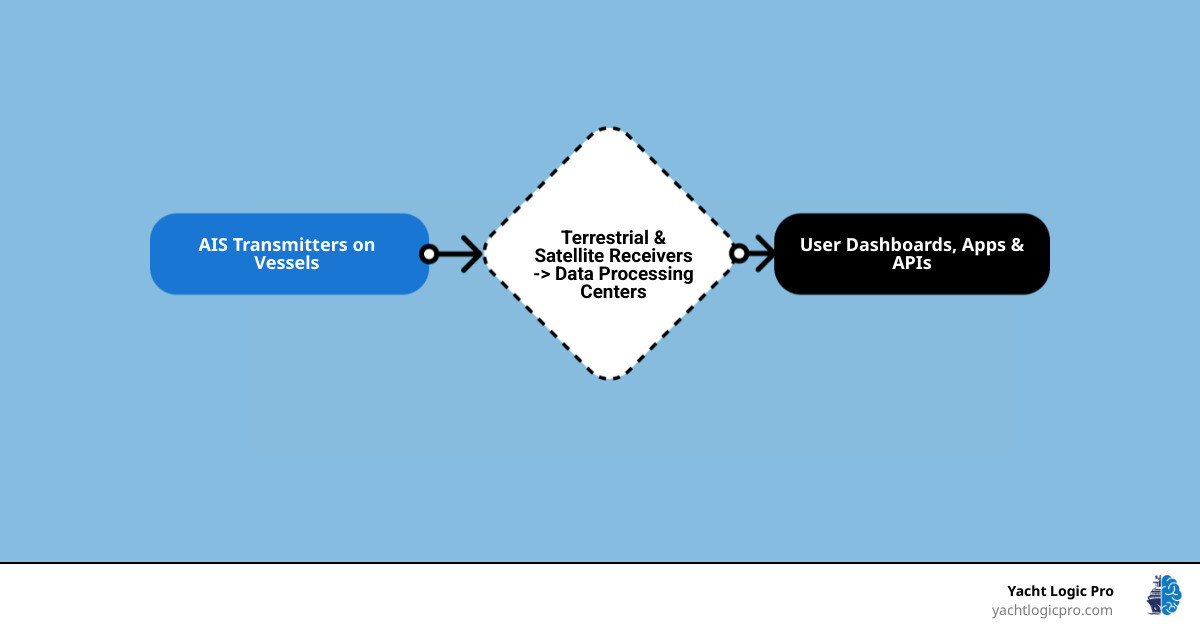
How Data is Collected, Processed, and Delivered
The journey of real-time vessel data from a ship’s transponder to our screens is a complex but efficient process.

- Collection of Raw Data: AIS signals are picked up by terrestrial stations and S-AIS satellites as raw NMEA (National Marine Electronics Association) messages.
- Decoding and Processing: Raw NMEA messages are decoded and translated into structured, user-friendly formats like JSON or XML, making the data usable by software.
- Data Aggregation and Validation: Data from multiple sources is compiled, deduplicated, and validated. Algorithms cross-reference data points to flag errors or suspicious transmissions.
- Data Dissemination: Processed data is delivered to end-users via several methods:
- API Integration: Application Programming Interfaces (APIs) allow for seamless data exchange, enabling businesses to integrate tracking into their own software. Providers offer AIS Data – API for Real-Time AIS ship positions in structured formats.
- Raw NMEA Feeds: For applications needing minimum latency, raw data streams are available via TCP/IP or UDP, requiring users to process the data themselves.
- Data Dissemination Platforms: Web-based platforms offer interactive maps and tools to visualize data without direct integration.
- Historical Data File Delivery: Archives of past vessel movements are available in file formats for in-depth analysis and trend identification.
This sophisticated pipeline ensures that real-time vessel data is collected, processed, and delivered efficiently and reliably.
Applications and Benefits: Turning Data into a Competitive Advantage
Real-time vessel data is a powerful tool that transforms maritime operations, helping businesses move from reactive problem-solving to proactive, strategic planning.
Optimizing Maritime Operations and Trade Flow
For marine businesses, optimizing operations means reducing costs and enhancing efficiency. Real-time vessel data is fundamental to achieving these goals:
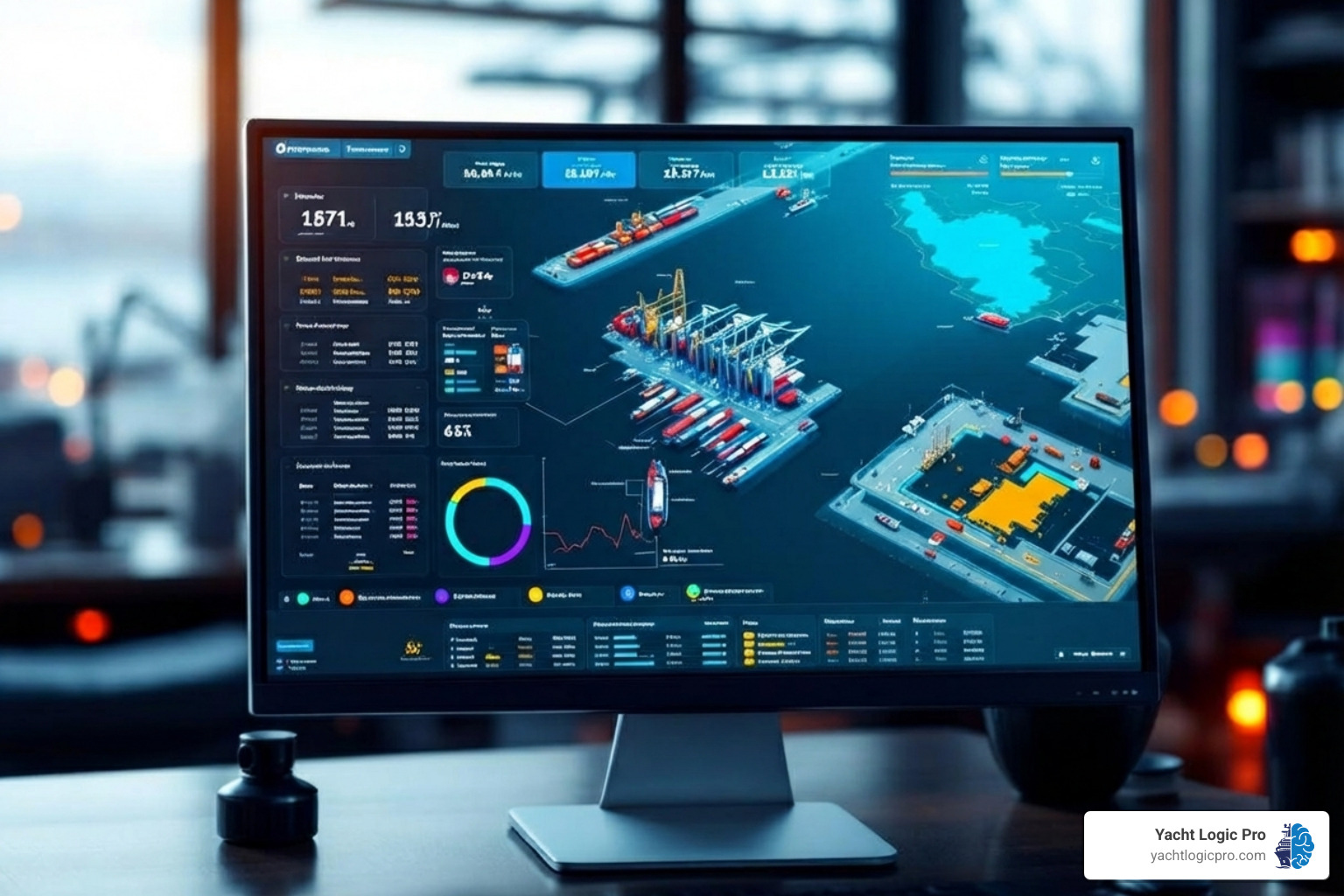
- Fleet Management: Efficiently monitor the location, status, and performance of every vessel in a fleet. This is a core principle of Why Data-Driven Yacht Service is the Future of the Marine Industry. When paired with a unified platform like Yacht Logic Pro, these insights can automatically trigger work orders, assign technicians, and reserve parts ahead of arrival.
- Route Optimization: Optimize routes using real-time data on weather and traffic to reduce transit times, avoid hazards, and improve fuel efficiency.
- Port Call Optimization: Use reliable, machine-learning powered Vessel to Port ETA and Port Events data to anticipate arrivals accurately. This allows for precise coordination of port services, minimizing idle time and enabling shore teams to plan maintenance windows and crew changes with confidence.
- Supply Chain Visibility: Gain transformative insight into cargo vessel location and ETAs to manage inventory, minimize disruptions, and reduce demurrage costs.
- Commercial Asset Tracking: Optimize logistics and operational efficiency for valuable assets at sea, from research vessels to offshore platforms.
This data provides the intelligence to optimize maritime operations and increase market transparency.
Enhancing Safety, Security, and Compliance
Beyond efficiency, real-time vessel data is critical for safeguarding lives, protecting assets, and ensuring regulatory adherence.
- Situational Awareness: Improve awareness for captains and port authorities by providing a comprehensive view of all vessel movements, which is vital for preventing collisions.
- Collision Avoidance: Integrated AIS data provides immediate alerts on potential collision risks, allowing crews time to take evasive action.
- Search and Rescue (SAR) Operations: Empower authorities with crucial data for resource planning. A vessel’s last known position significantly narrows search areas in emergencies.
- AIS Position Validation: Use services like Learn more about AIS Position Validation to uncover suspicious vessel behavior and manipulated signals, a game-changer for security.
- Monitoring Illegal Activities: Combat issues like illegal fishing by tracking vessel movements and identifying patterns indicative of illicit activities or breaches into protected areas.
- Sanctions Compliance: Provide the transparency needed for financial institutions and governments to monitor vessel movements against sanctions lists.
- Proving Compliance to Auditors: Leverage data and KPIs to easily demonstrate compliance with safety regulations and operational protocols to auditors and regulators.
In summary, real-time vessel data acts as an invisible guardian, making our seas safer and more accountable.
Key Features in Vessel Tracking Platforms
Modern vessel tracking platforms offer a suite of powerful features that transform raw data into actionable intelligence.
- Live Map Visualization: Displays vessel positions on an interactive global map with customizable layers (e.g., satellite, Navionics) for improved context.
- Historical Track Playback: Review past vessel movements, routes, and speeds for incident investigation, performance analysis, or route optimization.
- Geofencing and Alerts: Set up virtual boundaries (geofences) to trigger automatic alerts when a vessel enters or exits a specific area or deviates from a route.
- Customizable Layers (Weather, Sea Charts): Integrate overlays like real-time weather data and nautical charts for holistic planning and safety.
- Fleet Filtering and Monitoring: Filter vessels by type, name, or status to easily monitor specific segments of a fleet.
- Detailed Vessel Information Panels: Access a wealth of information by clicking on a vessel, including its particulars, dynamic data, destination, and ETA.
- Data Export Capabilities: Export tracking data in formats like CSV or JSON for further analysis in other business intelligence tools.
- Distance Measurement Tools: Measure distances directly on the map to aid in planning and logistics.
These features, often accessible through platforms like Vessel Tracking, empower users to actively manage and optimize their maritime assets and, when integrated into tools such as Yacht Logic Pro, to tie real-time movements directly to maintenance, parts, and financial workflows.
The Future is Automated: Advanced Technologies and Challenges
The landscape of real-time vessel data is constantly evolving, driven by advancements in artificial intelligence and machine learning. These technologies are refining existing capabilities and opening up new possibilities, but we must also acknowledge the inherent challenges.
How AI and Machine Learning Improve Real-time Vessel Tracking
AI and machine learning (ML) transform raw real-time vessel data into predictive intelligence, moving beyond knowing where a vessel is to understanding where it’s going and what it means.
- Predictive ETAs: ML algorithms analyze historical data, weather, and port congestion to generate highly accurate Vessel to Port ETA, optimizing scheduling for everything from berths to crew changes.
- Anomaly Detection: AI learns “normal” vessel behavior and flags significant deviations, which is crucial for identifying security threats, distress situations, or illegal activities.
- Behavior Analysis: AI can analyze complex vessel behavior patterns, such as loitering or unusual rendezvous, to provide deeper insights into potential risks.
- AI-Powered Natural Language Queries: Platforms are integrating AI assistants to answer natural language questions about vessel movements (e.g., “Show me cargo ships near the Panama Canal”), making data interaction more intuitive.
- Optimized Routing Algorithms: AI can dynamically suggest the most efficient and safest routes by processing real-time vessel, weather, and traffic data, helping to avoid storms and reduce fuel use.
These AI and ML improvements are making maritime operations smarter, safer, and more efficient.
Challenges and Limitations of Real-time Vessel Data
While the benefits are immense, it’s important to be realistic about the challenges and limitations of real-time vessel data.
- Data Gaps: Despite extensive coverage, reception gaps can exist in remote regions. While Enhanced Satellite AIS helps, complete, uninterrupted coverage is still a goal.
- Latency Issues: While often sub-minute, latency can vary depending on the source (T-AIS vs. S-AIS) and processing times. For some operations, even a small delay matters.
- Data Accuracy and Validation: Data can be affected by equipment malfunctions or human error. Validation services are important to cross-reference signals and ensure data integrity.
- Intentional Signal Manipulation (Spoofing): Malicious actors may broadcast false positions or identities. Detecting this requires advanced analytics.
- Data Security and Privacy Concerns: The collection of vast amounts of data raises security and privacy issues, requiring robust encryption, authentication, and data protection compliance.
- Integration Complexity with Legacy Systems: Integrating modern data feeds with older, disparate systems can be technically complex, highlighting the value of modern, integrated platforms.
Addressing these challenges requires continuous technological innovation and collaborative efforts across the industry.
The Role of APIs and Modern Platforms
The accessibility of real-time vessel data is defined by how easily it can be integrated into existing workflows. This is where APIs and modern data platforms are indispensable.
APIs act as bridges, allowing different software systems to communicate. This enables businesses to pull live vessel data directly into custom dashboards, ERP systems, or marine maintenance software.
| Delivery Method | Speed / Latency | Format | Primary Use Case |
|---|---|---|---|
| API Feed | Near real-time | JSON, XML | Custom application integration, dashboards |
| Raw NMEA Feed | Minimum latency | Raw NMEA strings | Specialized systems requiring direct AIS protocol |
| File Delivery | Batch (delayed) | CSV, JSON, XML | Historical analysis, large data imports |
- Facilitating Integration: Providers offer easy-to-use APIs (often RESTful or WebSocket) that allow for seamless integration, which is ideal for building custom solutions that track vessels and maritime information.
- Detailed Documentation: Reputable providers offer comprehensive and Detailed documentation with API endpoints, code examples, and support to help developers get started quickly.
- Custom Application Development: APIs enable the development of highly customized applications custom to unique operational needs, from optimizing maintenance schedules to managing technician deployments, aligning with the need for Digital Tools Every Marine Technician Should Be Using in 2025.
- Scalability: Cloud-based platforms and APIs are inherently scalable, handling data needs for one vessel or an entire fleet without significant overhead.
- Connecting Disparate Systems: APIs connect siloed systems to create a unified operational picture, such as linking vessel ETAs to automatically trigger maintenance work orders.
Frequently Asked Questions about Real-time Vessel Data
How accurate is real-time vessel data?
The accuracy of real-time vessel data is generally high, but depends on several factors:
- Source Matters: Data from Terrestrial AIS (T-AIS) is typically very accurate with high frequency. Satellite AIS (S-AIS) provides global coverage but may have slightly higher latency, though some providers offer updates in under a minute.
- Update Frequency: Position reports are sent every few seconds for fast-moving vessels, while slower ships report less often. Advanced systems aim for sub-minute latency.
- Potential for Errors: Like any system, AIS is susceptible to GPS errors, equipment malfunctions, or human error when inputting data.
- Spoofing and Manipulation: Intentional signal manipulation is a concern, which is why validation services are crucial for uncovering suspicious behavior.
- Importance of Validation: Reputable providers use algorithms to validate incoming data, ensuring reliability. While highly accurate, users should always consider the data’s source and context.
What are the typical pricing models for accessing this data?
Pricing for real-time vessel data varies to suit different needs:
- Subscription-Based Models: The most common model, involving a recurring fee (monthly/annually) for a specific service level, such as number of vessels tracked or API call volume.
- Tiered Pricing: Providers often offer tiers (e.g., Basic, Pro) with escalating features, data volumes, and support levels.
- Pay-Per-Use (API Calls): Users are charged based on data consumption (e.g., number of API calls), which is cost-effective for low or unpredictable usage.
- Geographic Area and Traffic Density: Pricing can depend on the size of the monitored area and the density of vessel traffic.
- Freemium Models: Some platforms offer a free version with limited features, allowing users to test the service before upgrading.
- Enterprise-Level Custom Packages: Large organizations can get custom solutions custom to specific requirements, including dedicated infrastructure and support.
When considering a service, evaluate the data completeness, accuracy, latency, and quality of support offered.
How can I integrate vessel data into my own application?
Integrating real-time vessel data into your own application is straightforward and powerful:
- APIs (Application Programming Interfaces): This is the primary method. Providers offer RESTful APIs for data requests and WebSocket APIs for continuous, real-time streams.
- Data Formats: Data is delivered in structured, machine-readable formats like JSON or XML, which are easy to parse.
- SDKs and Documentation: Many providers offer Software Development Kits (SDKs) and comprehensive Detailed documentation with code snippets and guides to simplify development.
- Custom Application Development: APIs provide the raw material to build custom applications for logistics, maintenance scheduling, or internal dashboards. You can Learn more about Application Development from specialized providers.
- Developer Support: Access to technical assistance, forums, or dedicated support teams is invaluable when integrating complex data.
- Authentication: Most APIs require authentication (e.g., API keys) for secure access, which is typically simple to implement.
By utilizing these tools, you can seamlessly integrate real-time vessel data into your existing systems, turning them into dynamic, data-driven powerhouses.
Conclusion: Charting Your Course with Data-Driven Insights
We’ve explored real-time vessel data, from its granular details to the global networks that deliver it. This data is the fuel for smarter, more efficient maritime operations.
The shift from reactive to proactive, data-driven strategies is a reality. By leveraging real-time vessel data, businesses can optimize trade flow, improve safety, and gain a competitive advantage. The integration of AI and machine learning is making predictive analytics and automation standard practice.
For marine service businesses, integrating this data is transformative. Imagine automatically adjusting maintenance schedules based on accurate ETAs or dispatching technicians with precise location knowledge. A unified platform like Yacht Logic Pro excels here, streamlining operations by bringing all these data points together.
We encourage you to accept this digital wave. The future of marine service is data-driven, and the tools are here to help you steer it with confidence. Explore how to digitize your marine service operations and chart your course toward unparalleled efficiency and profitability.