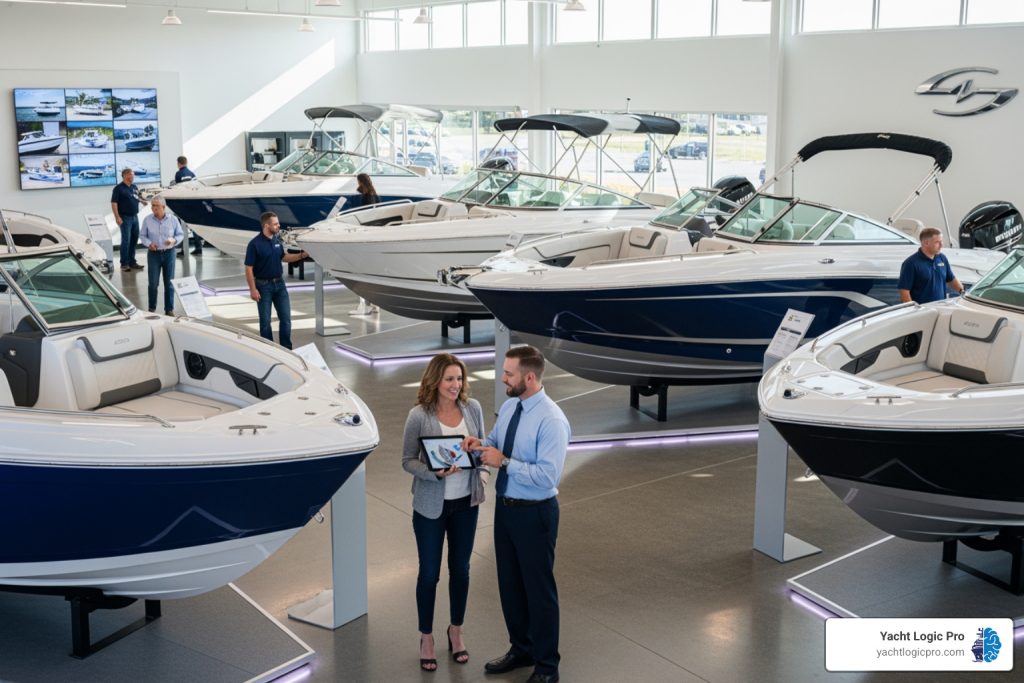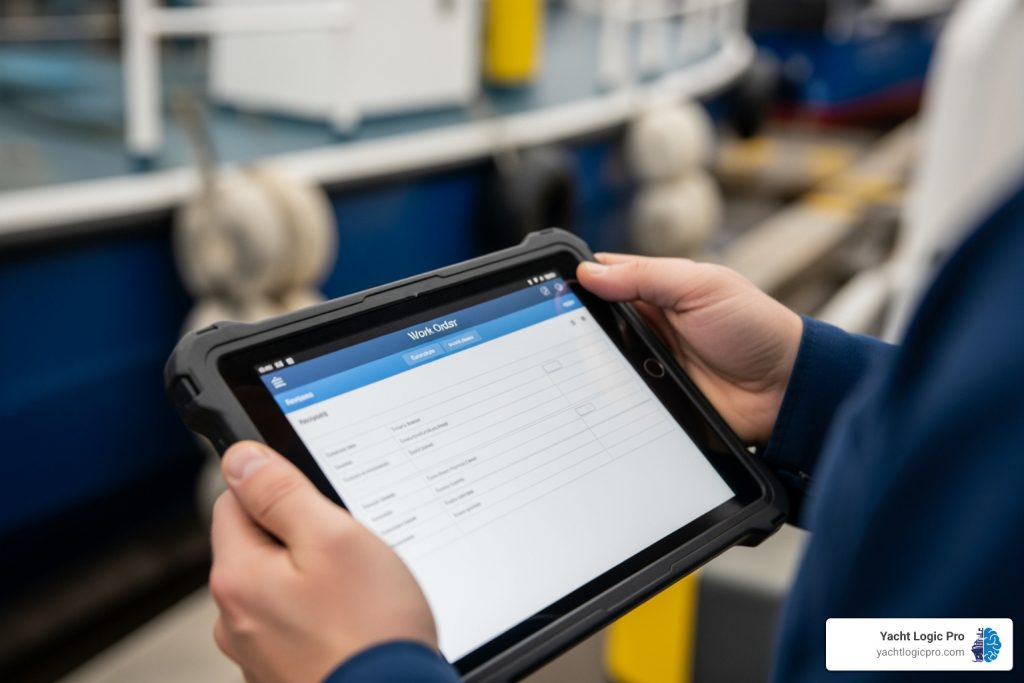


Why Manual Maintenance Scheduling Is Costing You More Than You Think
Automated maintenance scheduling is the use of software systems to plan, track, and manage maintenance tasks without manual intervention, reducing downtime and improving operational efficiency through data-driven decision-making.
Quick Answer: What You Need to Know
- What it does: Automatically creates and updates maintenance schedules based on equipment condition, usage patterns, and resource availability
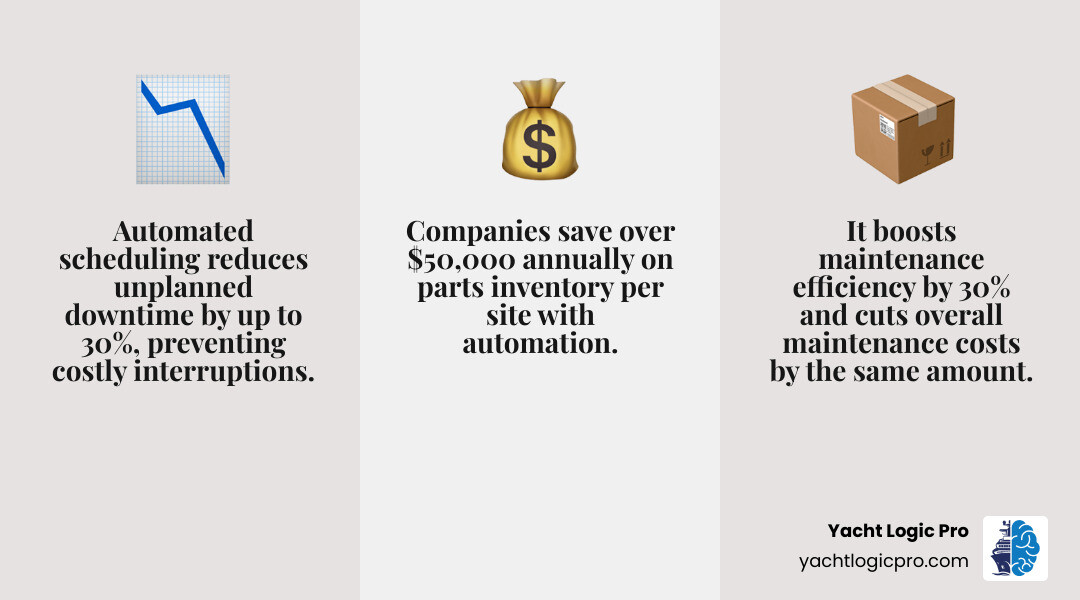
- Key benefits: Reduces unplanned downtime by up to 30%, cuts maintenance costs by 30%, and saves over $50,000 on parts inventory per site
- Core technologies: CMMS software, AI/machine learning, IoT sensors, and predictive analytics
- Implementation: Takes weeks to months depending on complexity, starting with process assessment and software selection
- Best for: Businesses struggling with reactive repairs, manual tracking, missed preventive tasks, and inefficient resource allocation
If you’re running a marine service operation, you know the pain of reactive maintenance. A critical engine fails, your technician scrambles for parts, the vessel misses its charter, and revenue evaporates.
With 82% of companies experiencing at least one unplanned downtime incident in the last two years, this is a common reality.
The culprit is often manual maintenance scheduling with whiteboards and spreadsheets. These methods don’t scale, leading to missed preventive tasks, unbalanced workloads, and costly emergency repairs that could have been prevented.
Automated maintenance scheduling flips this script. Instead of reacting to breakdowns, you proactively maintain equipment using real-time data, usage patterns, and predictive analytics. The system automatically generates work orders, assigns technicians based on availability and skills, and ensures critical tasks aren’t missed.
The results are clear: users see maintenance efficiency improve by 30%, with dramatic reductions in unplanned downtime and thousands saved on emergency repairs and excess inventory.
The “Why”: Core Benefits of Moving Beyond Manual Scheduling
Moving beyond manual maintenance is about more than new tech; it’s a fundamental operational shift that improves your bottom line, efficiency, and safety.

The benefits ripple across your marine service business, minimizing surprises and making peak performance the norm. The hidden costs of manual tracking become a memory with a digital solution. Explore these expenses in more detail in The Hidden Costs of Manual Yacht Maintenance Tracking.
Slash Unplanned Downtime and Boost Productivity
Unplanned downtime is the enemy of marine service operations. With 82% of companies experiencing it, the results are lost revenue and frustrated clients when a yacht misses a charter or a ferry disrupts its schedule. Each incident directly impacts your reputation and bottom line.
Automated maintenance scheduling significantly reduces this risk. By intelligently predicting and scheduling maintenance before failures occur, you can cut unplanned downtime by up to 30%. This is about preventing equipment from breaking in the first place. When equipment runs smoothly, your service delivery remains consistent.
Automation also streamlines maintenance by eliminating the administrative burden of manual scheduling. This allows your teams to focus on critical tasks, improving efficiency by up to 30%. More work gets done in less time, with fewer errors, making technicians more productive.
Maximize Asset Lifespan and Optimize Resource Allocation
Your vessels and equipment are significant investments. Preventive maintenance is critical to extending their lifespan. Automated maintenance scheduling ensures tasks are done based on actual usage or condition, not arbitrary timelines. This keeps equipment healthy and prevents minor issues from becoming major repairs.
An automated system also ensures a more efficient allocation of resources by assigning tasks based on technician availability, workload, and priority. This means your skilled technicians are deployed where they’re most needed, maximizing their time and avoiding burnout.
The cost impact is substantial, with savings of over $50,000 on parts inventory per site. Accurately predicting needs optimizes inventory, reducing shortages and overstocking. Balancing workloads also cuts costly overtime, ensuring your team works efficiently.
Ensure Safety and Regulatory Compliance
In the marine industry, safety and regulatory compliance are non-negotiable. Manual systems make it hard to track drills, audits, and corrective actions. A missed inspection can lead to severe penalties, operational halts, and put lives at risk.
Automated maintenance scheduling systems are a game-changer for compliance. They provide automated record-keeping, creating an indisputable audit trail for every task performed. This digital documentation simplifies audits and makes it easy to prove compliance.
Automating safety checks and maintenance helps identify and fix hazards before they cause accidents. Digital work orders can embed safety checklists, ensuring technicians follow correct protocols. This protects your team and clients, safeguarding your business from the fallout of non-compliance and providing peace of mind that vessels are running safely and legally.
The “How”: Key Technologies Driving Automated Maintenance Scheduling
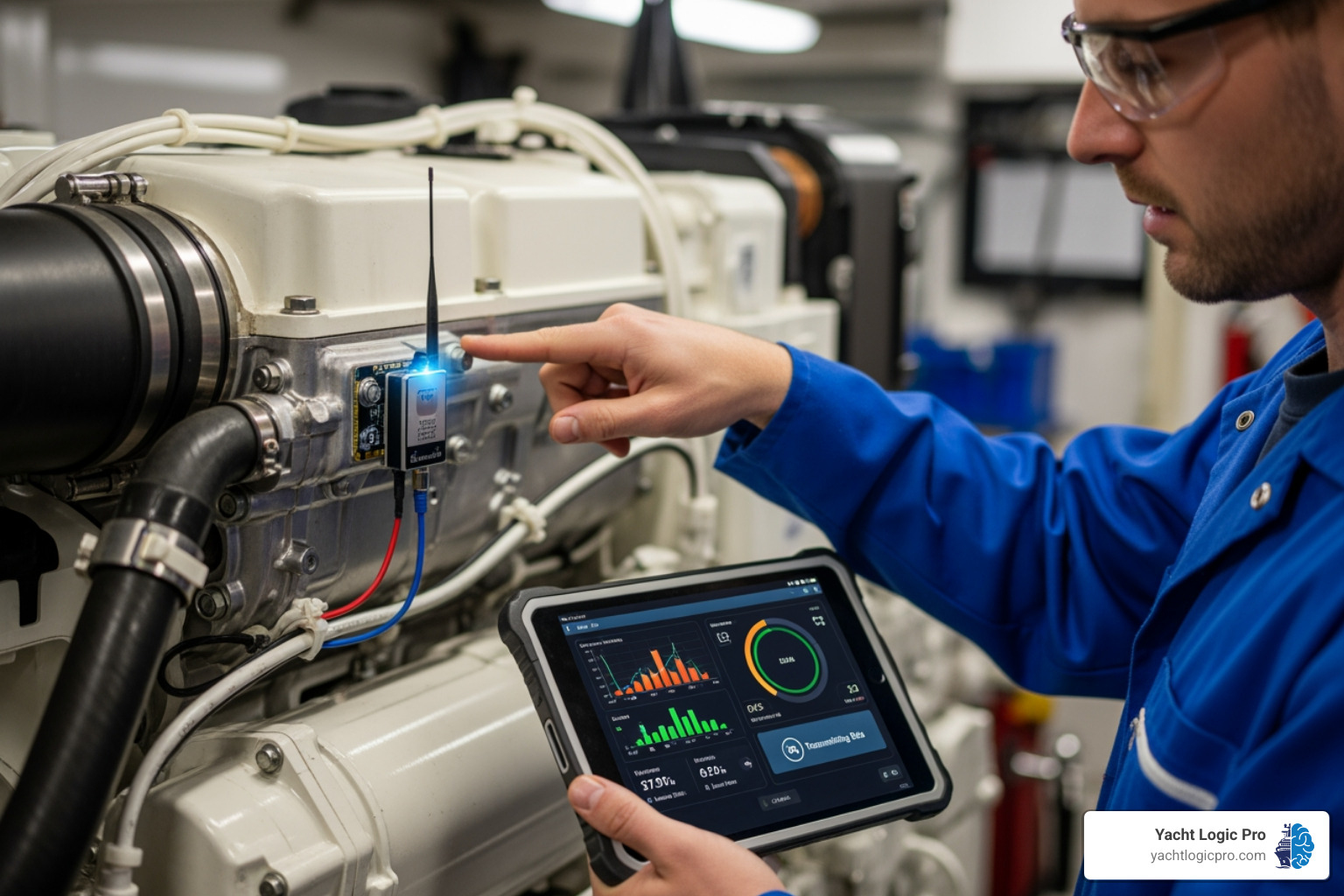
How does it work? Automated maintenance scheduling is an ecosystem of interconnected technologies. They gather and analyze data, make predictions, and translate insights into actionable schedules.
For a deeper understanding of how these technologies are shaping the future of marine services, check out Why Data-Driven Yacht Service is the Future of the Marine Industry.
The Central Role of CMMS and EAM Software
At the heart of automated scheduling is a Computerized Maintenance Management System (CMMS) or Enterprise Asset Management (EAM) software. This is the brain of your maintenance operation, a central hub for all related data.
A CMMS allows you to:
- Centralize Data: All information about your assets, maintenance history, parts inventory, and labor resources is stored in one accessible location.
- Streamline Work Order Management: From creation to completion, CMMS software manages the entire lifecycle of a work order, automating creation, assignment, and tracking.
- Maintain Comprehensive Asset History: Every repair, inspection, and part replacement is logged against the specific asset, providing rich historical data for analysis.
- Generate Powerful Reporting: CMMS provides customizable dashboards and reports that offer critical insights into maintenance costs, asset reliability, and team performance.
EAM software goes further, covering an asset’s entire lifecycle and integrating with finance and supply chain. A specialized CMMS or EAM is essential for marine businesses to streamline processes and reduce manual data entry, allowing your employees to focus on critical tasks.
The Power of AI in Automated Maintenance Scheduling
Artificial Intelligence (AI) and Machine Learning (ML) are the secret sauce that lifts maintenance scheduling from reactive to truly proactive and predictive. While a CMMS provides the framework, AI provides the intelligence.
AI reduces unplanned downtime by analyzing vast amounts of data—historical records, sensor data, and environmental conditions—using sophisticated algorithms to:
- Predictive Analytics: AI predicts equipment failure based on actual condition and usage, not just a fixed schedule. This allows for precise maintenance scheduling, preventing both over-maintenance and under-maintenance. As one expert noted, it determines a machine’s lifespan and failure likelihood, allowing maintenance to be scheduled just in time.
- Anomaly Detection: AI continuously monitors equipment performance for subtle deviations from normal operating parameters, which can be early indicators of impending failure.
- Dynamic Scheduling: AI creates dynamic schedules that adapt in real-time. If a component shows wear, the system automatically adjusts the schedule, prioritizes the task, and allocates resources based on technician availability and parts. This adaptive capability is crucial for marine operations. For example, research shows how adaptive reinforcement learning can be used for real-time rescheduling of complex tasks, minimizing disruption. You can read more about this in Adaptive reinforcement learning for task scheduling in aircraft maintenance.
AI doesn’t just predict; it optimizes. It analyzes thousands of scenarios to generate the most cost-effective and efficient maintenance plan.
How IoT Sensors Enable Predictive Maintenance
The Internet of Things (IoT) provides the eyes and ears for your scheduling system. IoT sensors in marine machinery collect real-time data on performance parameters, fueling AI’s predictive capabilities.
Imagine sensors monitoring:
- Temperature: Abnormal temperature spikes can indicate friction or impending failure.
- Vibration: Increased vibration can signal misalignment or wear.
- Fluid Levels and Quality: Low or contaminated oil can be detected before it causes damage.
- Engine Hours/Usage: Tracking actual operating hours provides a more accurate basis for scheduling than calendar days.
When IoT sensors detect deviations from normal thresholds, they trigger alerts that can automatically generate work orders in the CMMS. This is condition-based monitoring, a highly efficient form of predictive maintenance. The system tells you exactly when a component needs attention based on its real-time health, rather than waiting for a scheduled check or breakdown.
Your 5-Step Guide to Implementation
Implementing an automated maintenance scheduling system might seem daunting, but a structured approach makes it achievable. We’ve broken it down into five manageable steps to guide you through a smooth transition for your marine service operation.
Here are the key steps involved in implementing an automated maintenance scheduling system:
- Assess Your Current Maintenance Practices: Understand where you are now.
- Select the Right Maintenance Scheduling Software: Choose the tool that fits your unique needs.
- Plan Integration and Data Migration: Get your existing data and systems talking.
- Train Your Team and Drive Adoption: Empower your people to use the new system.
- Monitor, Analyze, and Optimize: Continuously improve and refine your approach.
Step 1: Assess Your Current Maintenance Practices
Before automating, you must understand your current processes. This initial assessment is crucial for identifying pain points and setting clear goals.
- Identify Inefficiencies: Where are the bottlenecks in your current manual scheduling process? Are you frequently dealing with emergency repairs?
- Define Goals: What do you hope to achieve? Is it to reduce downtime, cut costs, or improve compliance? Be specific.
- Establish Baseline KPIs: Collect data on current downtime percentages, maintenance costs, and schedule adherence to measure success.
- Analyze Reactive vs. Proactive Work Ratio: A high percentage of reactive work indicates a system ripe for automation.
This step helps tailor the solution to your specific operational challenges.
Step 2: Select the Right Maintenance Scheduling Software
Choosing the right software is a critical decision. For marine service, generic tools often fall short. You need a solution built for your unique challenges.
Look for software that offers:
- Ease-of-Use: An intuitive interface is paramount for quick adoption.
- Integration Capabilities: Seamless integration with existing ERP, inventory, and IoT systems is essential.
- Mobile Access: A robust mobile app with offline capabilities is a must-have for field service.
- Scalability: Choose a system that can grow with your business.
- Strong Reporting and Analytics: The software should turn raw data into actionable insights.
For marine businesses, a solution like Yacht Logic Pro, built by marine professionals, offers the specialized features you need. To help with this choice, refer to our guide: What to Look For in Yacht Service Management Software: A Buyer’s Checklist.
Step 3: Plan Integration and Data Migration
Once you’ve selected your software, the next step is to get your existing data into the new system and ensure it communicates with other platforms.
- Asset Hierarchy: Structure your assets logically within the software, from vessels down to individual components.
- Historical Data Import: Migrate existing maintenance records, asset specifications, and parts inventory data.
- CMMS Integration: If you have existing CMMS data, ensure a smooth transfer.
- IoT Device Setup: If using IoT sensors, plan their installation and configuration to feed data into your new system.
- Phased Rollout Plan: Consider a pilot project to iron out kinks before a full rollout.
Step 4: Train Your Team and Drive Adoption
Technology is only as good as the people using it. Effective training and change management are vital for successful adoption.
- Technician Training: Provide hands-on training on how to use the mobile app for work orders and reporting.
- Planner Training: Train planners on how to leverage automated scheduling features and interpret data.
- Change Management: Communicate the “why” behind the change. Highlight the benefits for users, such as less paperwork.
- Highlight Benefits for Users: Show them how the system will make their lives easier. A higher user adoption rate is directly correlated with success.
Step 5: Monitor, Analyze, and Optimize
Implementation isn’t the finish line. Continuous monitoring and optimization are key to realizing the full potential of your automated maintenance scheduling system.
- Key Performance Indicators (KPIs): Regularly track the KPIs established in Step 1, such as schedule compliance and reduction in unplanned downtime.
- User Feedback: Actively solicit feedback from your team to identify areas for improvement.
- Continuous Improvement: Use data and feedback to make ongoing adjustments. This iterative process ensures your system remains aligned with your evolving needs.
Overcoming Challenges and Choosing the Right Solution
While the benefits of automated maintenance scheduling are clear, implementing such a system has challenges. Understanding these upfront allows you to proactively address them and choose a solution that sets you up for success.
Navigating Potential Implementation Problems
- Poor Data Quality: Inaccurate or incomplete historical data can skew predictive models. Dedicate time to cleaning and standardizing data before migration to avoid the “garbage in, garbage out” problem.
- Lack of Integration: A standalone tool that doesn’t integrate with inventory or finance systems creates data silos, defeating the purpose of automation. The goal is a unified platform.
- Overly Complex Software: Enterprise-grade solutions can be overkill and too complex for a marine service business. Difficult software hurts user adoption, causing teams to revert to manual methods. As one user said of a complex system, “Its user interface does not encourage you to use it.”
- Insufficient Training: Without proper training, even the best software will be misused. Investing in comprehensive training is non-negotiable.
- Proving ROI to Management: Demonstrating return on investment can be challenging if baseline metrics weren’t established.
What to Look for in an Automated Maintenance Scheduling System
To overcome these challenges, here’s what to look for in a solution:
- Intuitive User Interface: Simplicity and ease-of-use are key. The software should simplify your scheduling process, not complicate it.
- Mobile-First Design: With technicians often working remotely, a robust, user-friendly mobile app with offline functionality is essential.
- Strong Reporting and Analytics: The system should provide actionable insights through customizable dashboards and automated reports on KPIs.
- Scalability: Choose a system that can adapt as your business grows.
- All-in-One Platforms: The most effective solutions are all-in-one platforms that unify maintenance, inventory, and operations. This eliminates multiple systems, reduces integration issues, and provides a holistic business view. Yacht Logic Pro is designed as one cohesive, intelligent system for all your marine service operations.
- Excellent Customer Support: A responsive and knowledgeable support team is invaluable, especially during implementation.
| Feature Comparison | Standalone Scheduling Tools | Integrated Platforms (e.g., Yacht Logic Pro) |
|---|---|---|
| Data Centralization | Limited, often requires manual sync | High, all data in one place |
| Work Order Management | May require external CMMS | Fully integrated |
| Inventory Management | Separate system required | Fully integrated with maintenance needs |
| Resource Allocation | Focused on labor, limited parts awareness | Comprehensive, considers labor, parts, asset history |
| Reporting & Analytics | Scheduling-specific reports | Holistic business intelligence across operations |
| Integration Complexity | High, needs multiple integrations | Low, pre-integrated modules |
| User Experience | Can be niche, may lack broader context | Unified, consistent across all functions |
| Cost | Lower initial, higher long-term integration | Higher initial, lower long-term TCO |
| Scalability | May scale well for scheduling, limited for overall ops | Scales across all aspects of the business |
Frequently Asked Questions about Automated Maintenance Scheduling
Here are answers to common questions about switching to automated maintenance scheduling.
How does automated scheduling save time and money?
Automated scheduling is a master of efficiency, directly impacting your bottom line.
- Reduces Administrative Burden: Eliminates hours spent on manual scheduling and tracking, freeing up your team for more strategic work.
- Prevents Costly Breakdowns: Shifting to predictive maintenance helps avoid expensive emergency repairs and costly unplanned downtime.
- Optimizes Labor and Parts Usage: The system intelligently allocates tasks and helps manage parts inventory effectively, reducing waste and shortages.
- Minimizes Unplanned Downtime: Automated systems can reduce unplanned downtime by up to 30%, ensuring consistent revenue.
- Extends Asset Life: Proactive, condition-based maintenance ensures your valuable marine equipment lasts longer.
What’s the difference between preventive and predictive maintenance?
These terms are often confused, but there’s a key distinction when discussing automation and AI:
- Preventive Maintenance (PM): This is maintenance performed at pre-determined intervals (time-based or usage-based), regardless of the equipment’s actual condition. It is proactive but can lead to unnecessary work.
- Predictive Maintenance (PdM): This is more advanced proactive maintenance. It uses real-time data from IoT sensors and AI analytics to predict when a component will likely fail. Maintenance is scheduled only when needed, just before failure. PdM avoids unnecessary work while ensuring interventions happen at the optimal time. Data, AI, and IoT are central to this, enabling smart, condition-based interventions.
How long does it take to implement an automated scheduling system?
The implementation timeline for an automated maintenance scheduling system varies from weeks to months, depending on:
- Complexity of Your Operation: The number of assets, technicians, and workflows.
- Data Migration: The amount and quality of historical data to transfer.
- Integration Needs: Integrating with existing ERP or accounting systems.
- Team Size and Training: Larger teams require more extensive training.
- Cloud-based vs. On-premise: Cloud-based solutions generally have faster deployment times.
A phased approach is often most effective, allowing your team to adapt and provide feedback.
Conclusion
The era of manual, reactive maintenance is over. For marine service operations, embracing automated maintenance scheduling provides a significant competitive advantage. This powerful shift slashes unplanned downtime, optimizes resources, extends equipment life, and ensures unwavering compliance and safety.
By leveraging the intelligent capabilities of CMMS, AI, and IoT, you can transform your operations from constantly fighting fires to strategically navigating smooth waters. This proactive strategy leads to significant efficiency gains, cost savings, and a more predictable, profitable future for your business.
At Yacht Logic Pro, we believe in empowering marine professionals with tools that work as hard as they do. Our all-in-one, AI-powered platform is designed to unify your operations, automate maintenance, manage technicians, track inventory, and sync finances, eliminating manual data entry and boosting your profits. It’s time to bring your entire marine team together, from the dock to the dashboard, and streamline your yacht service workflow. Learn more about how we connect your entire team at From Dock to Dashboard: How Yacht Logic Pro Connects Your Entire Marine Team.